
Produced by Huxiu Auto Team
Author | Xing Shubo
Illustration | AI-generated image
When an 18-month market window collides with a 36-month engineering cycle, what exactly have Chinese automakers cut back on, and to whom have they shifted the risk?
On August 28, the Ministry of Industry and Information Technology publicly exposed typical cases of consistency supervision and inspection of new energy vehicle production for 2025, with 7 car companies and 7 models being reported. Zhejiang Haoqiang's corresponding model is the Geely Xingyue, which has sold over 800,000 units in less than two years on the market; BYD's model is the Qin L DM-i, a main sales force - the two "national divine cars" both failed the inspection.
It's worth noting that the time given by the market to automakers is shorter than the time required for engineering validation: in the first half of this year, the Ministry of Industry and Information Technology's catalog update included 238 new vehicles, 65 of which were entirely new models; the typical development cycle of around 54 months has been shortened to 18 to 24 months, with some companies pushing it to 12 months; whereas the traditional complete vehicle validation process, which involves going through "two winters and two summers," takes around three years.
The ever-widening gap between the two sets of clocks is at the root of the "accelerated vehicle" debate.
The Trouble with Consistency
The Ministry of Industry and Information Technology reported production consistency issues in four categories:
Non-compliant parameters (Zhejiang Haowin's pure electric sedan's wheelbase exceeds standards, Hebei Hongchun's power source vehicle's height exceeds standards)
Fuel consumption falsification (the BYD Qin L DM-i's electricity retention mode fuel consumption exceeds the declared value)
Configuration is incomplete (Sany Heavy Industry concrete mixer lacks instruction manual, Guangxi Automobile refrigerated truck's monitoring device model is inconsistent)
Failing to meet safety standards (Foshan Feichi bus emergency window net area is insufficient, Sichuan Nanjun dump truck protective device is not compliant).
The essence of "production inconsistency" lies in the discrepancy between what is advertised and what is delivered, which stems from the systematic compression of the verification process.
According to industry surveys, some automakers have made it a norm to compress their launch cycles by reducing the number of validation subjects, narrowing extreme working conditions, using simulated data to fill in the gaps of road tests, and skipping mass production validation processes. Some brands have even cut the two major stages of design validation (DV) and mass production validation (PV) down to just one.
A chassis development engineer at an automaker who declined to be named revealed to Huxiu that the design and simulation iteration cycle, which used to take five working days, has now been compressed to two to three days.
"Compressing the project timeline often skips manual re-inspection of grid quality, multi-condition coupling verification, extreme load validation, and full regression testing after changes, which can lead to increased deviations between simulation results and actual road tests, and hide risks related to fatigue life or NVH performance."
Given the existence of safety risks, why are car companies willing to delete features?
Business momentum is crucial. In the same price range, several competing products may emerge within half a year, and if a product is launched a few months late, its original configuration and price may lose appeal. Launching early can generate revenue sooner, reduce the occupation of R&D funds, and maintain channel traffic. With the same set of R&D resources, launching one car every three years versus one car every year has entirely different implications for sales, channels, and brand exposure. When development speed becomes a key performance indicator, the validation cycle often becomes the first variable to be sacrificed.
However, the time saved will ultimately come back in the form of minor issues and durability problems over the five to ten years of using the vehicle.
The J.D. Power 2026 China Vehicle Dependability Study report shows that the PP100 for vehicles aged 3 to 4 years jumped 47 points compared to those aged 2 to 3 years, indicating that durability risks are not evenly distributed, but rather concentrated in the later stages of vehicle ownership.
Recall data also points to this trend.
In 2025, China implemented a total of 190 automobile recalls, involving 6.846 million vehicles, with 61.6% of the recalls due to design reasons. In the first half of 2026, the recall volume of domestic brands surged 681.2% year-over-year, with design defects accounting for nearly 70% of the issues.
Complaint data is also deteriorating.
Cheziwang received 227,803 valid complaints in 2025, a 31.6% year-on-year increase, setting a new historical high. Complaints about domestic brands rose 53.4% year-on-year, with their proportion of total complaints exceeding 50% for the first time.
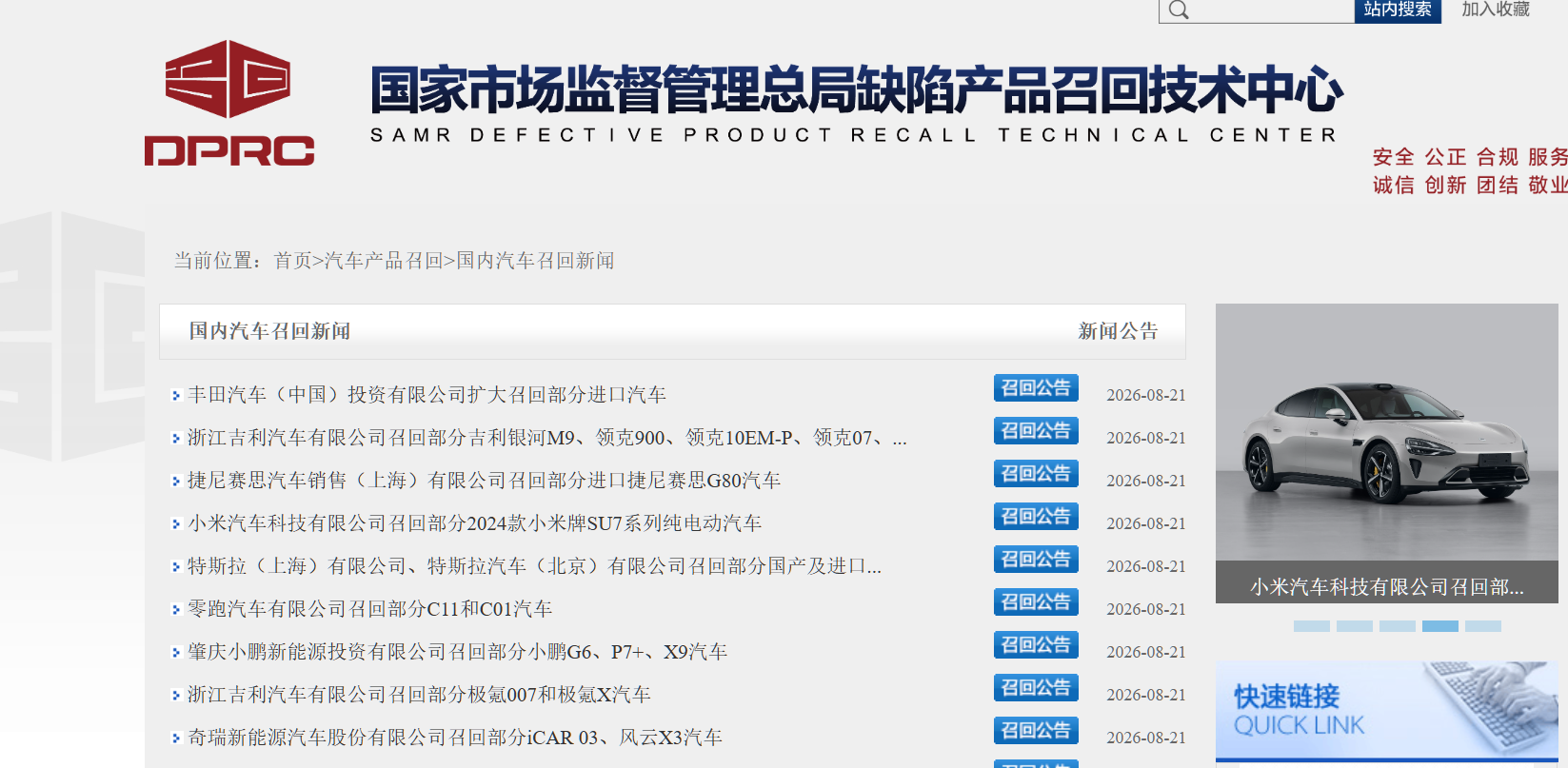
In the first half of 2026, the State Administration for Market Regulation issued 50 recall notices, involving approximately 1.65 million vehicles, with the recall volume of domestic brands surging 681.2% year-over-year, and design defects accounting for nearly 70% of the issues.
Source: State Administration for Market Regulation
Taking Beiqi and BMW's joint venture brand, BMW-Brilliance's Zinoro, as an example, the recall notice showed that the rearview mirror mounting bracket and windshield glass adhesion were poor in some vehicles, which may lead to detachment in extreme cases. Zinoro claimed to have "deeply integrated the global advantages of both shareholders with local experience", but in the compliance validation phase, it failed to maintain the quality audit standards that a joint venture vehicle should have.
This is not just a cost issue, but a systemic "rush to market hangover". Beijing Hyundai General Manager Li Fenggang spoke bluntly at the 2026 China Auto Forum, saying some brands have cut necessary tests in pursuit of rapid listing, with "consumers becoming test drivers".
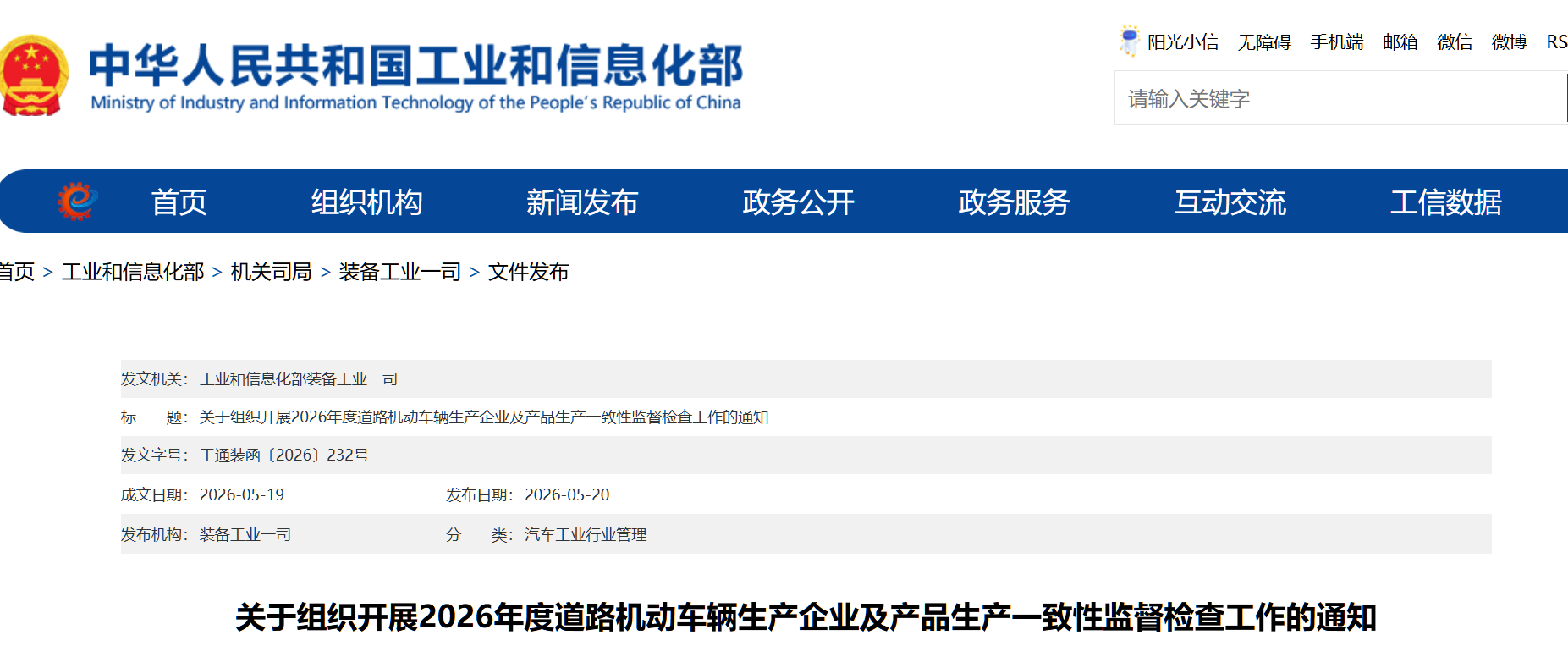
Regulators have no choice but to take action. On August 26, Xin Guobin, Vice Minister of the Ministry of Industry and Information Technology, pointed out that some "radical" innovative designs have been applied to vehicles without sufficient experimental verification. The next day, four departments jointly launched a one-year special campaign to improve production consistency and quality, during which regulatory personnel will "make unannounced visits" to car companies and testing institutions, conducting on-site sampling and inspection of mass-produced vehicles and key components.
Source: Ministry of Industry and Information Technology
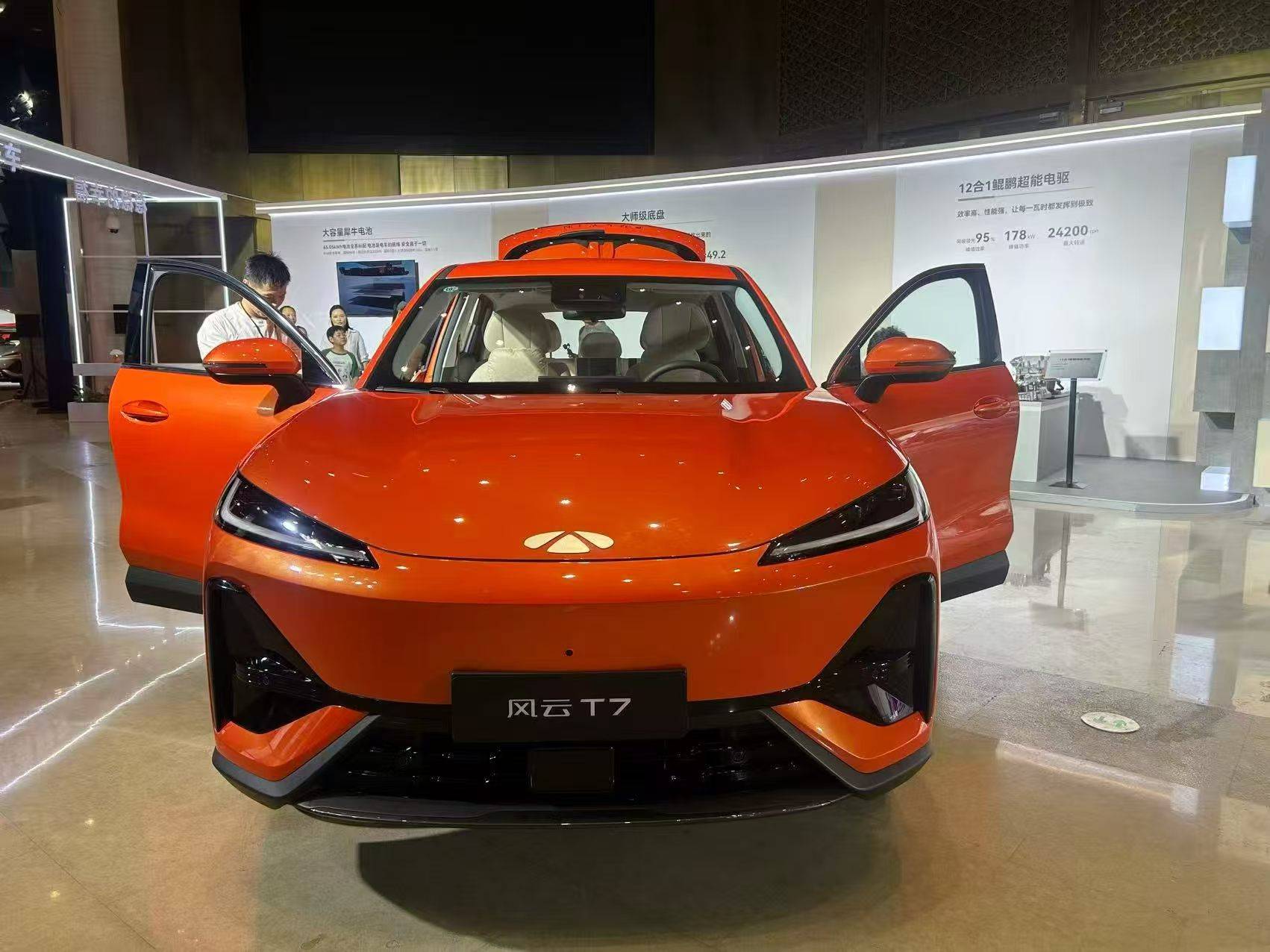
In the same month that regulators cracked down on "speedy cars", a batch of domestic "global cars" made a concentrated return: the Chery Fengyun T7 was launched, the BYD Shark pickup was officially announced to enter the domestic market within the year, SAIC MG brought back multiple global models in a systematic manner, the Xpeng G9L made its global debut, and the Leapmotor B10 has taken the sales lead in multiple European markets.
Why the Bar is Higher for Global Cars
China's national standards (GB) are the minimum threshold for vehicles to be sold domestically - the passing line. Global models must adapt to the regulations, collision standards, and usage environments of dozens of countries from the outset of research and development, with development standards directly targeting the world's most stringent requirements. The gap is reflected in three dimensions:
Safety standards: Global vehicles face the overlay of the most stringent standards in multiple markets. The Windcloud T7 is benchmarked against the 2026 E-NCAP five-star standard, with a full range of standard equipment including 9 airbags, and a high-strength steel ratio of 80%; the Xiaopeng G9L complies with over 3,000 regulations in 64 countries and regions worldwide, and has completed 192 collision tests.
Validation efforts: The BYD Tang T7 has invested in 81 durability test vehicles, with a cumulative test mileage of over 6 million kilometers, covering more than 100 extreme conditions from -40°C to +55°C; the XPeng G9L has undergone road testing across 26 countries, with a cumulative mileage of 6.74 million kilometers. The complete automotive validation chain, from materials and components to complete vehicles and mass production processes, consumes sample vehicles, time, and engineering resources with each iteration.
Industry data shows that just the vehicle validation for enclosed venues and public roads requires an investment of no less than 100 million yuan. A report by IASYS, a Japanese professional testing institution, states: "The product validation phase may consume up to 80% of the entire research and development budget."
The Fengyun T7, photographed by Huxiu
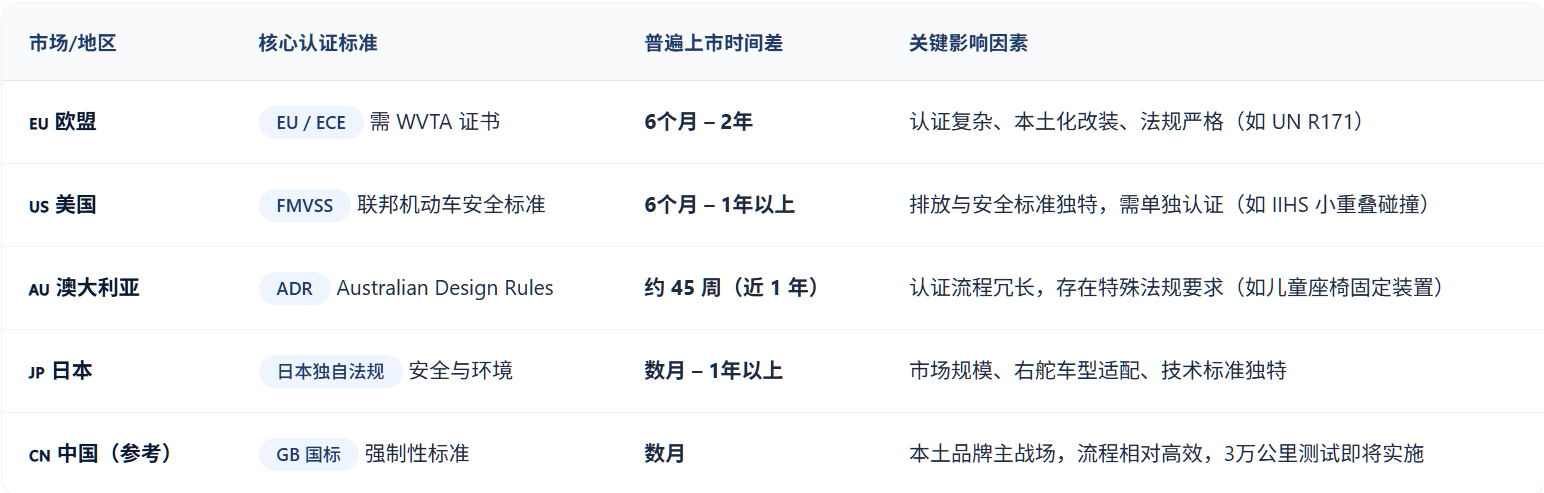
It should be noted that, unlike models for a single market, global models involve a "research and development cycle" plus a "global market testing cycle", with testing time potentially doubling.
Vehicle testing cycles in various countries
From the perspective of testing and certification standards in various countries, if a global vehicle model is to complete testing in major markets such as Europe, the US, and Japan, it will take at least 3 years and up to 5 years, but it will definitely not be just 18 months.
At the Guangqi Honda media communication meeting, Zou Li from the Guangben Brand Department told Huxiu Auto:
"The 11th-generation Accord is a global model, and even if only the front face is changed, it still requires a full range of global tests that meet European, American, Japanese, and Korean standards, with a cycle lasting up to 28 months. Meanwhile, Chinese domestic automakers have compressed their new car development cycle to 18 months. This means that by the time a joint-venture brand completes the global standard validation for a model, its competitors may have already completed two generations of product iteration."
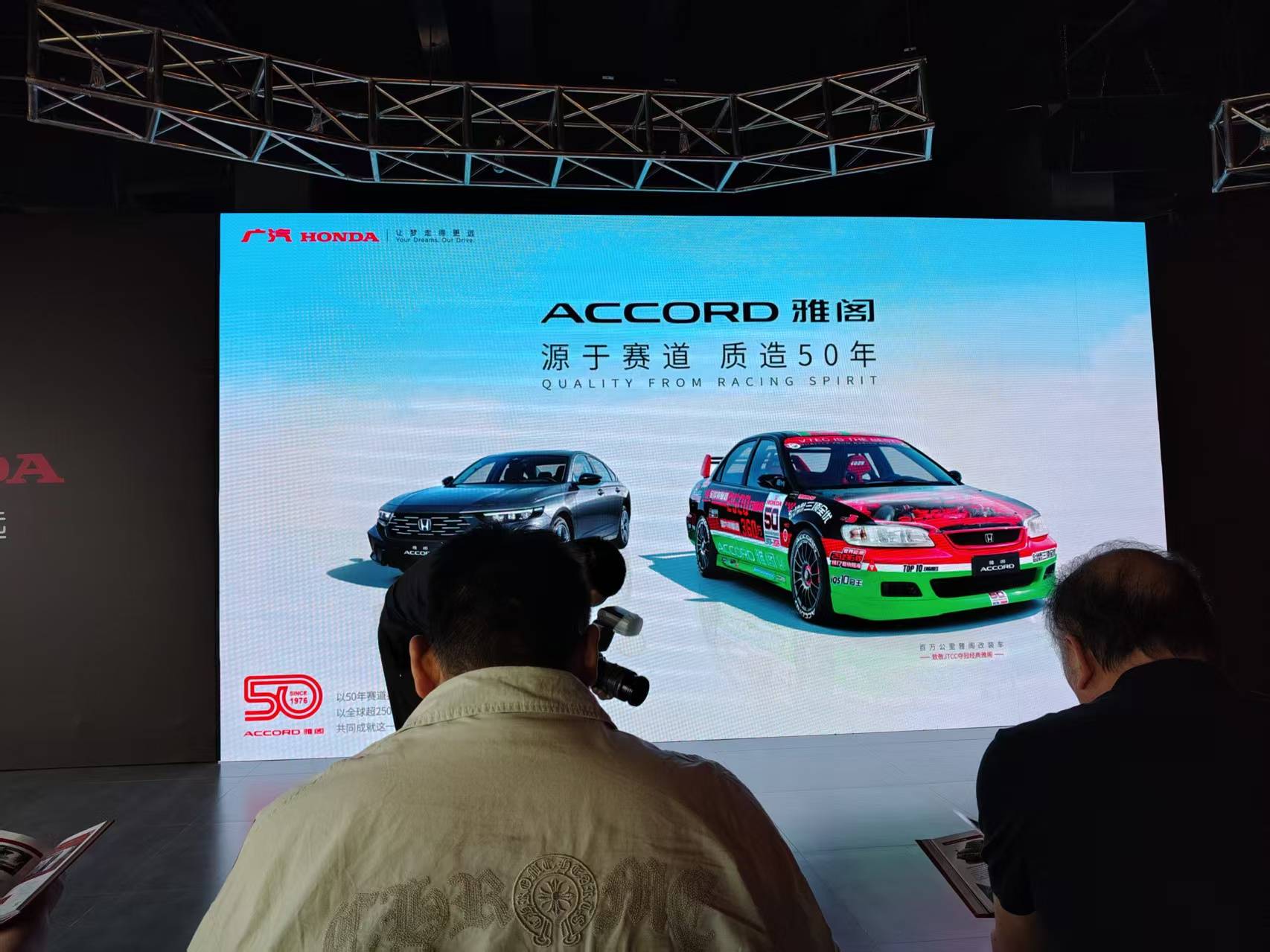
The 11th-generation Honda Accord, photographed by Huxiu
According to the national standard GB/T5910-1998, a standard weight of 68 kilograms per occupant and 7 kilograms for carry-on luggage is stipulated. For a 5-seat family car, the theoretical minimum load is (68+7)×5=375 kilograms. It should be noted that this standard was established in 1998 and is now difficult to adapt to the current road safety environment.
Some car manufacturers design their vehicles to barely meet the minimum standard of 375 kilograms, without leaving any safety margin for wear and tear or additional loads in daily use.
Currently, some companies only meet the minimum national standards and do not reserve safety redundancy for wear and tear and extra loads during long-term use. However, this "bare minimum" strategy sacrifices the quality and safety of long-term vehicle use: the suspension and body structure are overloaded for an extended period, resulting in irreversible metal fatigue, loose chassis, loose suspension, and abnormal noises. Overloading also increases the braking distance and risk of loss of control. The costs saved by automakers are ultimately passed on to consumers in the form of higher maintenance costs and a poorer driving experience.
Global Automakers Also Face Challenges
It's worth noting, however, that not all "global cars" sell well in China. Global standards are not equivalent to Chinese preferences. Joint-venture brands' global models are often defined based on the demands of European and American markets, and in terms of intelligentization, cabin experience, and human-machine interaction, which Chinese consumers pay close attention to, they react much slower than domestic brands.
A former engineer at General Motors' Pan Asia Technical Automotive Center said to Huxiu Auto:
"Chevrolet's car infotainment systems are not aesthetically pleasing, and several generations of models have been upgraded, but the design of the systems has not changed, with a large number of plastic parts used, which does not quite fit the Chinese aesthetic. The reason is that labor costs are high in the US, and the infotainment system is considered a consumable item, so if it breaks, the car owner can replace it themselves, saving on labor costs. However, in the domestic market, car owners generally do not replace the infotainment system hardware themselves. In the past, Chevrolet has not made corresponding improvements for the Chinese market."
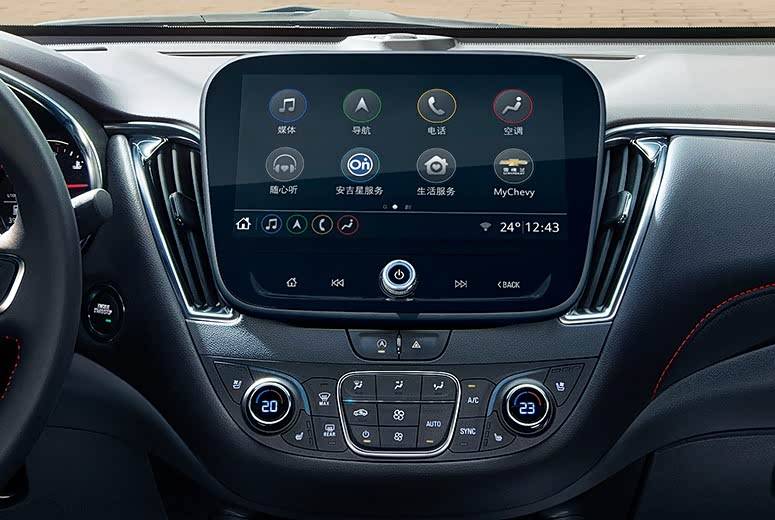
Chevrolet infotainment system
Domestic "global cars" also face challenges. Overseas validation does not equal domestic recognition, and a global car identity may not necessarily constitute a natural advantage in the Chinese market - Chinese consumers' perception of global standards is relatively vague, and their expectations for car safety and durability rely more on their trust in the brand itself. Furthermore, global development means that product definitions need to cater to the demands of multiple regions, which may make them less flexible than models developed specifically for the Chinese market in terms of certain localized configurations.
In other words, being a "global vehicle" is an endorsement of quality, not a guarantee of sales. To win over the Chinese market, relying solely on "global standards" is far from enough - it also requires precise localization, agile iteration capabilities, and sustainable brand trust accumulation.
“Global Car” Eliminates Not Speed but Fake Agility
Geely Holding Group Chairman Li Shufu publicly stated at the 2026 China Automotive Chongqing Forum that automobiles are related to people's lives, and "cannot be produced with the concept of quick, flat, and fast." In the past, there was no consensus on the speed of the verification cycle, and some new forces even used "developing three cars in one year" to prove their advancement. Now, as domestic vehicles shift from exporting globally to selling domestically, consumers are gradually realizing that due to regulatory restrictions in various countries, vehicle verification time cannot be compressed, typically taking at least three years, and up to five years.
Is being slow necessarily a disadvantage?
In the early "public testing era" of new energy products, some car companies have put vehicles that have not been fully verified into the market, and then use over-the-air (OTA) remote upgrades to fix problems that arise. While this model does allow for rapid iteration, it essentially uses consumers as testers. A car requires at least two complete testing cycles from design verification to mass production verification, with just the 300,000-kilometer road durability test alone requiring at least 18 months.
Depreciation data also supports this trend. According to a report by the China Automobile Dealers Association, the average three-year retention rate for gasoline-powered vehicles was 46.07% in the first half of 2026, while that for new energy vehicles was 44.8%. In longitudinal comparison, the three-year retention rate for gasoline-powered vehicles was 67.6% in 2022, and the average for new energy vehicles was 54.7% in 2023 - the residual values of both categories have been declining for multiple years.
When consumers start voting with their feet, quality is no longer just an ethical issue, but a business one.
Regulators are trying to make up for lost time before listing. The National Automotive Standardization Technical Committee plans to increase the reliability test mileage of new energy vehicles from no less than 15,000 kilometers to 30,000 kilometers, on par with fuel-powered vehicles.
If new regulations emphasize road testing, the vehicle development and validation cycle may directly rebound to over 18 months. However, 30,000 kilometers is only the basic requirement to drive the industry back to normal development standards. More important than the total mileage is whether companies can prove that a modification has undergone testing, approval, and re-testing, and formed a complete and traceable record.
What Chinese automakers really need to phase out is not "speed", but rather the practice of treating hardware validation as a pseudo-agile software iteration.
Research and development can leverage platformization, simulation, and AI acceleration, but regulatory compliance, durability, collision, and material aging cannot be handled according to the over-the-air update logic, thus avoiding glorifying "slowness" while not denying the speed of China's automotive industry.
Building a car in 12 months is becoming a new capability in China's automotive industry, but a short development cycle alone does not determine whether a vehicle is reliable. What distinguishes efficient development from a "rush job" is where a company saves time and how many issues are truly resolved before mass production. When a car rolls out of the factory, products made with different development paths may look completely identical; it is only after tens of thousands of kilometers that consumers can see the difference between them.
After all, AI can speed up vehicle development, but it cannot simulate the scorching heat of Turpan or the bitter cold of Shigatse.