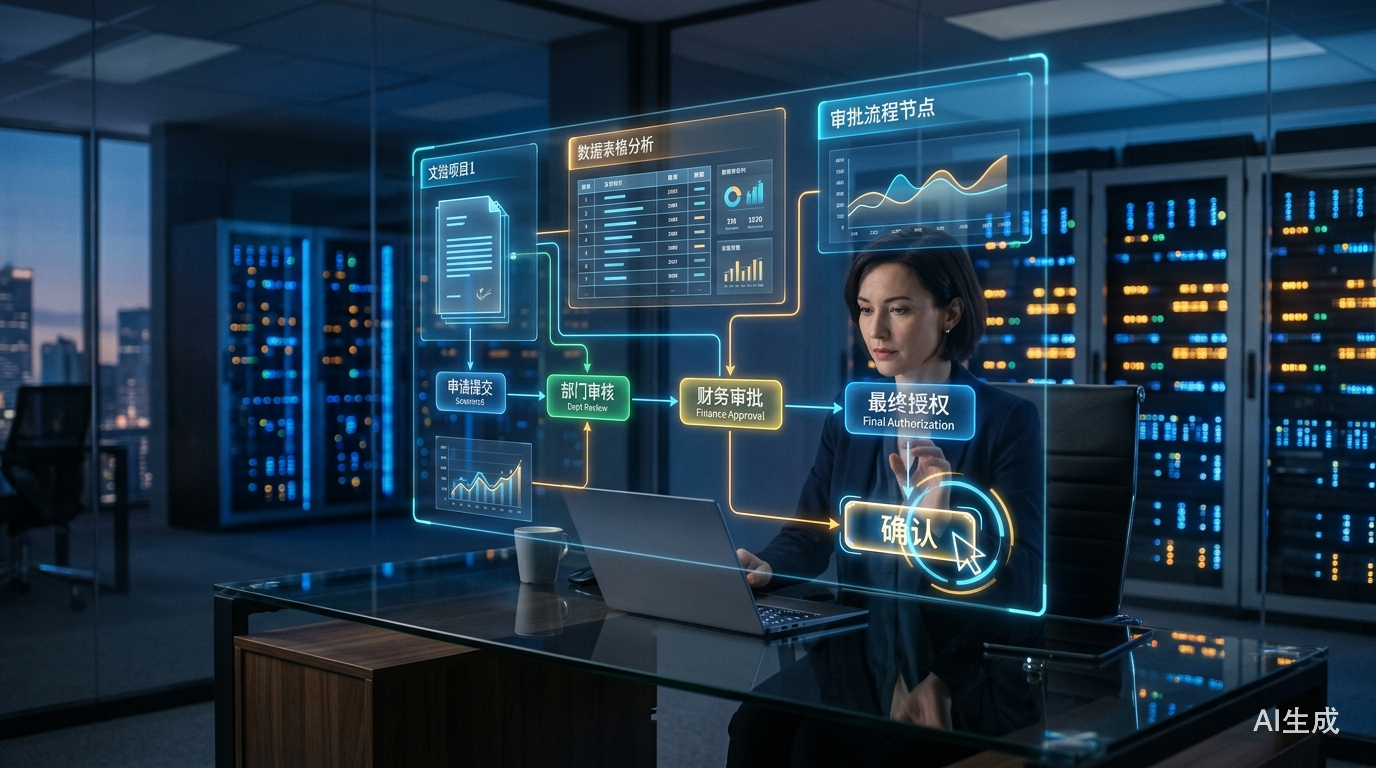
Simpler and more intimate with your home! Hisense JUOS officially launches: the industry's first family intelligent companion-level AIOS
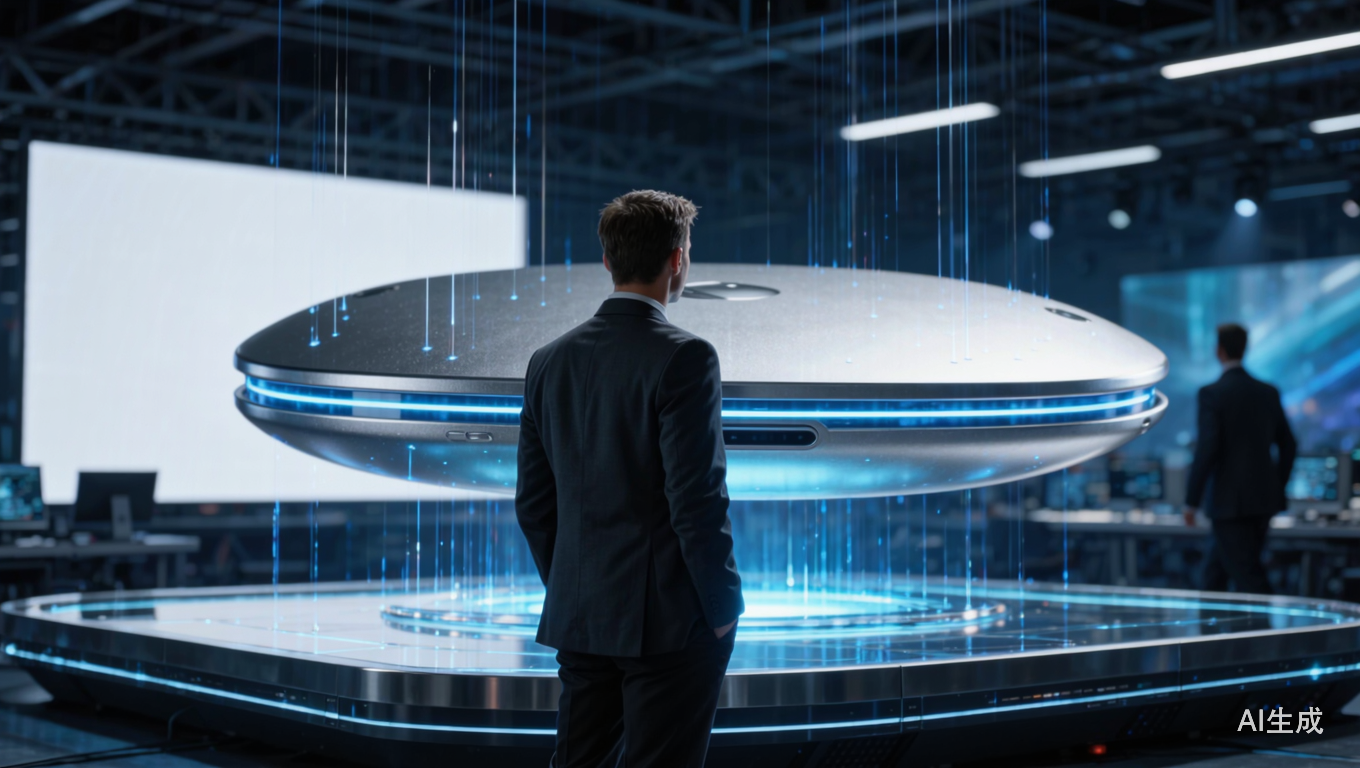
On August 31, Hisense officially released the industry's first family smart companion-level AIOS, Hisense JUOS.
Hardware, autos, semiconductors, and supply chain.

On August 31, Hisense officially released the industry's first family smart companion-level AIOS, Hisense JUOS.

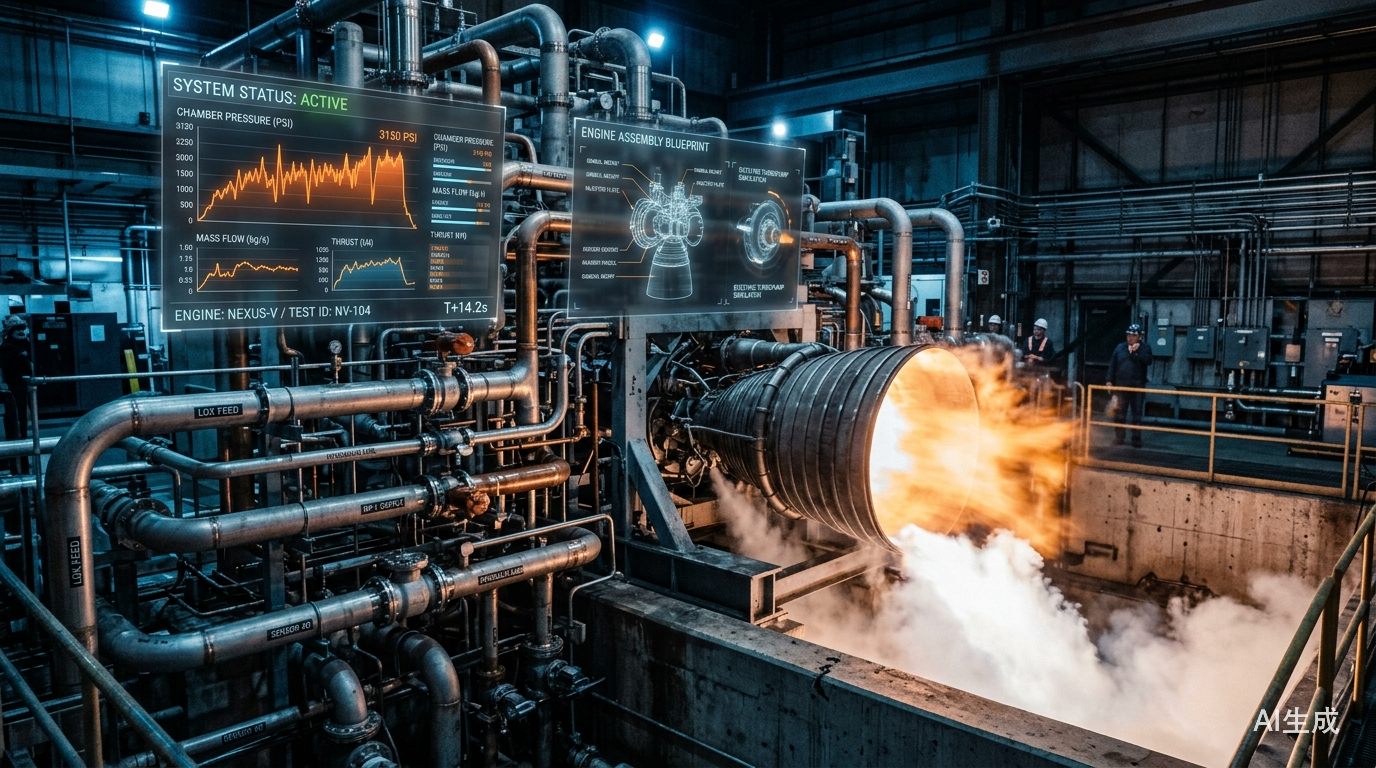
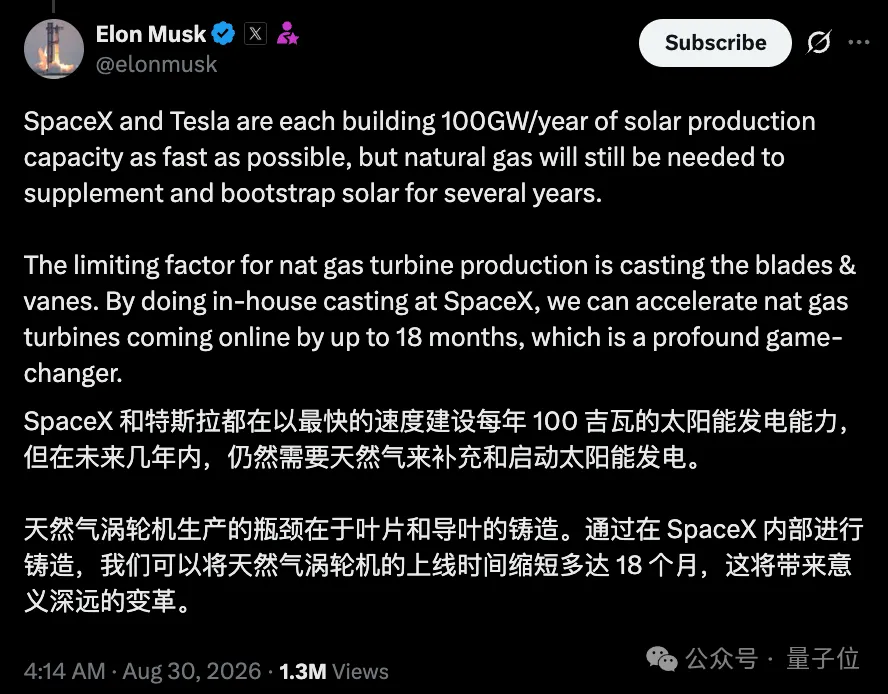
SpaceX is preparing to build a gas turbine blade casting facility in Texas.

On September 1, fast-fashion brand SHEIN listed on the Hong Kong Stock Exchange, with its stock price slipping 0.12% on the first day. According to its prospectus, the company's net revenue growth slowed from 41.1% to 8.0%, with a decline in net profit margin, slower user growth and order frequency, as it seeks new growth through regional expansion and platform-based transformation.

On August 27, Tsinghua University President Qiu Yong introduced in the first graduate class that despite the powerful programming capabilities of large language models, students still need to learn programming to cultivate their judgment and evidence-based abilities. The article emphasizes that AI is a magnifying glass, which can amplify capabilities as well as laziness, and hands-on practice is the key to forming judgment.

Fudan's Neolab publishes six papers in Nature journals, achieving full-scale life simulation.
AI agents have come of age. Where does that leave humans?

Iran's parliament has approved tolls for passage through the strait, which must be paid in the local currency.

Samsung Electronics has begun mass production of 236-layer NAND flash memory.
AI agents cool off as brain-computer interfaces and nuclear fusion see breakthroughs, while Nvidia sets the tone for AI's next direction.
Depth is the next battleground for attention.

Saudi Arabia's Public Investment Fund (PIF) completed its $55 billion acquisition of US-based Electronic Arts (EA) in August 2025, marking the second-largest merger and acquisition deal in the history of the gaming industry. Prior to this, Saudi Arabia had already invested more than $70 billion through acquisitions and investments, covering areas such as game publishing, e-sports, and mobile games, in an effort to drive economic transformation and gain cultural narrative power.

In August 2025, the delivery volumes of six new energy vehicle companies formed three tiers: NIO's XPeng, Haima's Livan, Li Auto, and NIO were in the 35,000 to 42,000 range, while XPeng and Li Auto trailed closely, and Xiaomi exceeded 30,000. Traditional automakers' new energy sales also reached the 100,000 to 400,000 level, directly competing with new forces, with Leapmotor leading at 103,000.

NIO's revenue in the second quarter of 2025 was 32.1 billion yuan, up nearly 70% year-over-year, but net profit widened 59% quarter-over-quarter to 528 million yuan, with adjusted net profit at only 26.1 million yuan. The market reacted negatively, with the stock price falling 40% over the past five months, and the market capitalization shrinking from 1 trillion Hong Kong dollars to 769 billion. Rising costs, stagnant sales, and a decline in the performance of the ALPS brand weighed on the results.

On September 1, Tim Cook stepped down as Apple CEO, succeeded by John Ternus. During Cook's tenure, Apple's annual revenue grew from $108 billion to $416 billion, and its market value rose from $350 billion to $4 trillion. Apple faces a crisis of lacking groundbreaking products, with AI capabilities lagging behind competitors, and its successor must find the next growth point.

Treat life as the first scene, where life is, art is

On August 28, 2026, after Powell's hawkish speech at the Jackson Hole annual meeting, the 10-year US Treasury yield rose to 4.81%, a new high for the year, due to deteriorating Middle East tensions and inflationary pressures. The market questioned Powell's failure to deliver on his promise to respond to inflation with short-term interest rates in a timely manner, and his policies of tightening financial conditions and reclaiming short-term pricing power sparked dissatisfaction on Wall Street.

In 2025, Nvidia spent approximately $199 billion, including $12.9 billion to acquire Hugging Face, $7 billion for Poolside licensing and a $1 billion investment, as well as an investment in Perplexity, in a bid to build its own open-source large model and challenge China's open-source camp.

The article delves into the everyday phenomenon of being "one yuan cheaper", systematically outlining the five sources of low prices, and points out that low prices do not disappear into thin air, but are instead transferred through the value chain, outsourcing of labor costs, and financial repression, ultimately borne by laborers, families, and future fiscal revenues, forming a sustainable "low-price order".

Zhixu AI released its financial report for the first half of 2026, with revenue of 954 million yuan, up 399.7% year-over-year, of which MaaS open platform and API business revenue was 825 million yuan, accounting for 86.5%, up from 15.2%. The cost of token inference per unit decreased by 80%, and the gross margin increased from -0.4% to 24.6%. However, research and development expenses of 2.13 billion yuan were still much higher than gross profit, resulting in an expanded operating loss, and the annual recurring revenue of $1.6 billion faces the risk of being overstated.

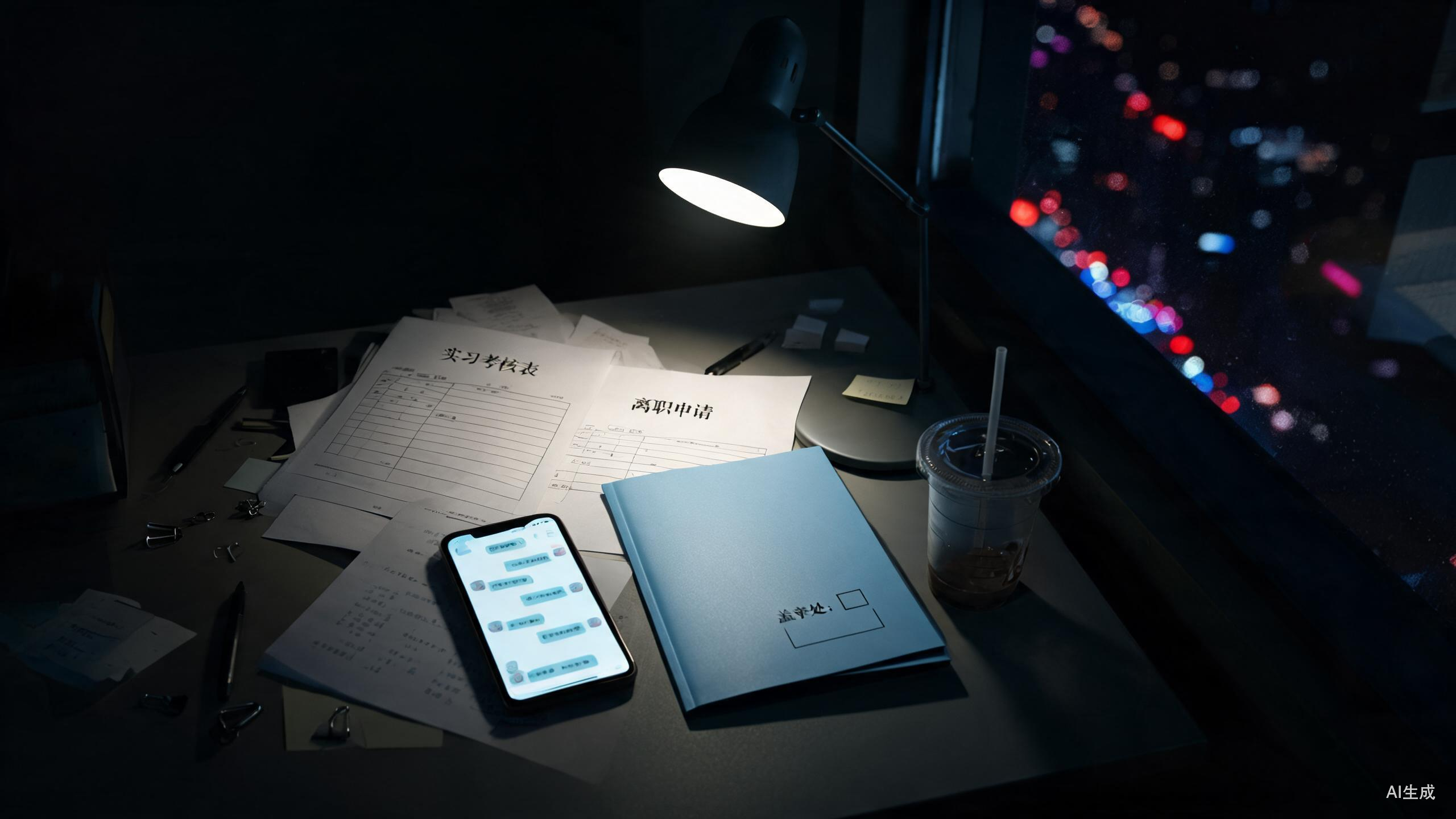
Based on field investigations and media reports from 2020 to 2025, this article analyzes how manufacturing factories respond to order fluctuations through outsourcing recruitment, labor dispatch, and rebate mechanisms, pointing out that while this model brings short-term flexibility, it leads to high worker turnover, low skills, and long-term costs borne by workshops, causing a decline in factories' labor capacity and forming a vicious cycle of outsourcing dependence.
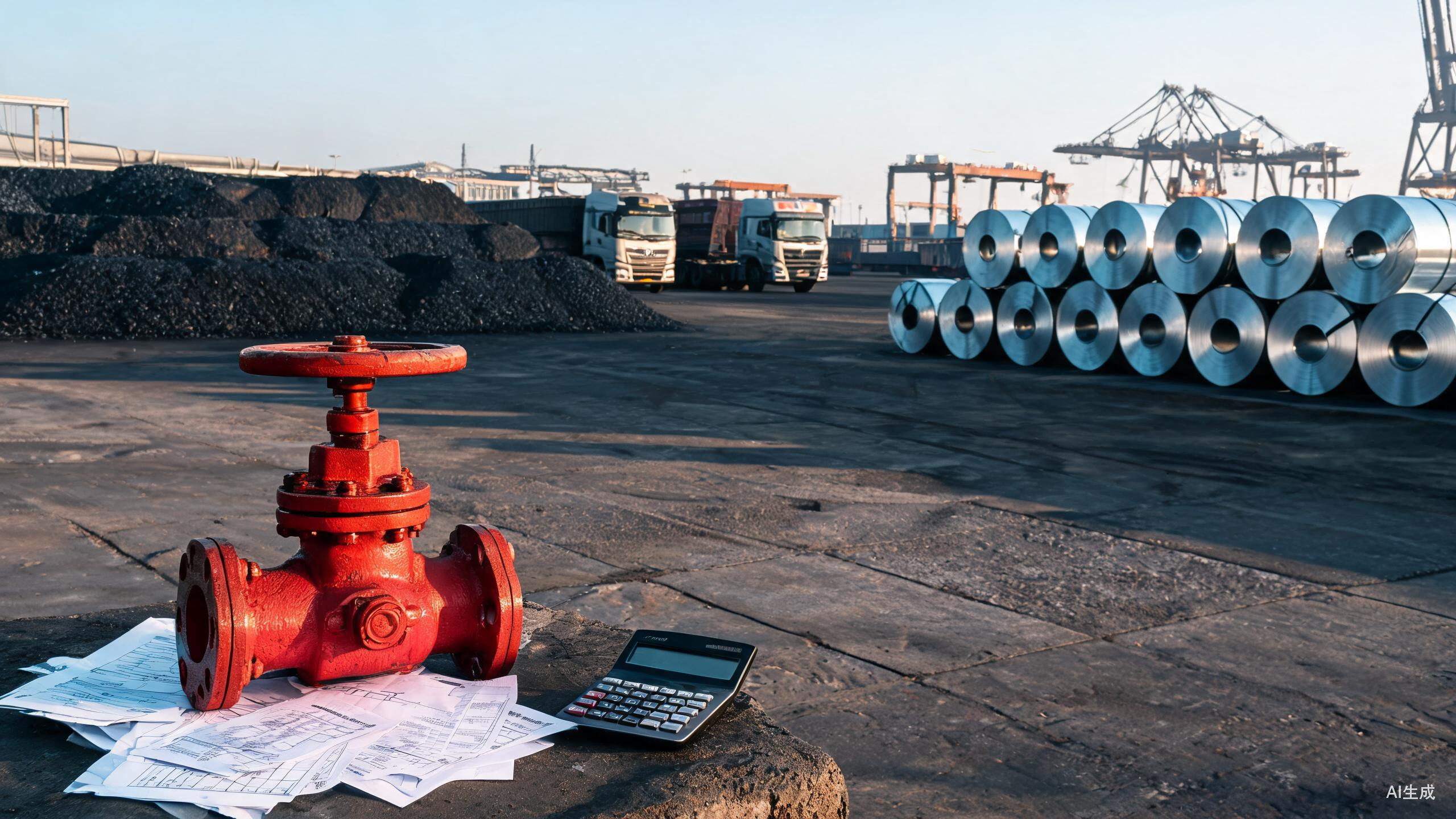
Based on multi-source big data, this article analyzes the current state of China's financial technology enabling regional economic growth and coordinated development, pointing out three major challenges: insufficient innovation and R&D, regional differences in human capital, and unbalanced regional development. It explains the intrinsic logic of financial technology enabling coordinated regional development by incentivizing R&D innovation, driving talent dividends, and amplifying regional spillover effects. The article also proposes policy suggestions to address issues such as regional financial technology gaps, hindered effects in underdeveloped areas, shortages of composite talents, and imperfect regulatory systems.
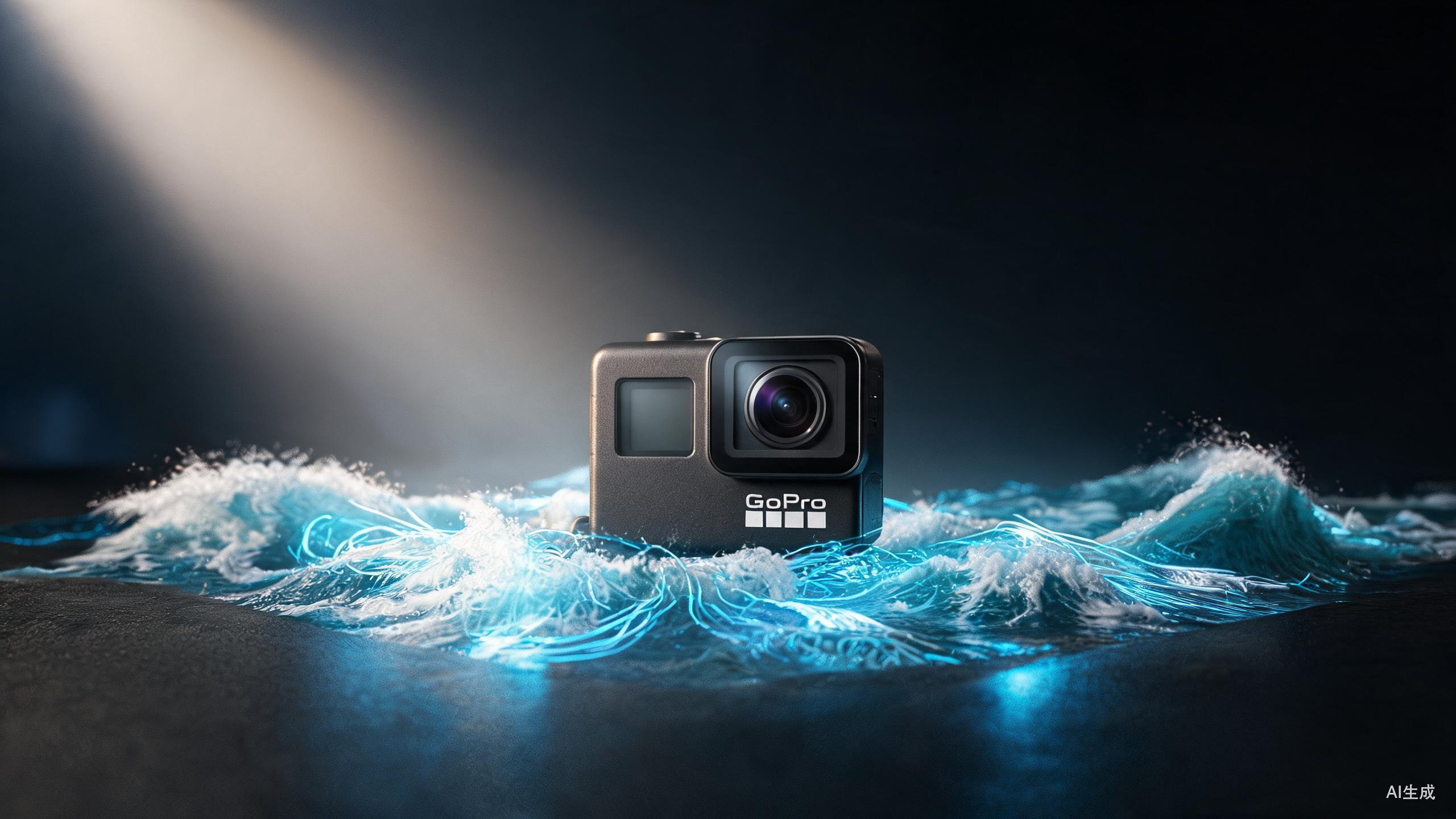
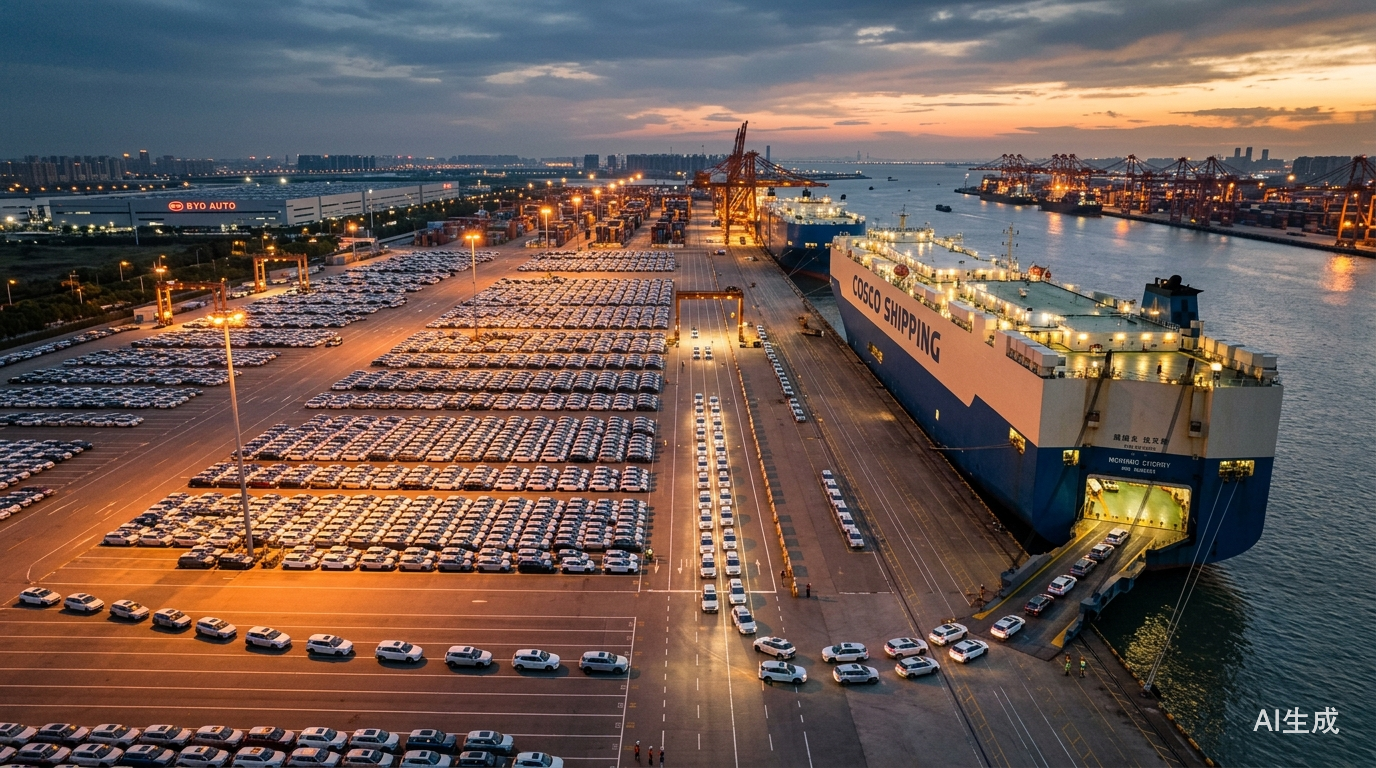
In August 2026, the overseas sales of BYD, Geely, and Chery, three leading domestic automakers, totaled over 487,000 units, accounting for nearly half of their total sales, with the overseas market offsetting the pressure of domestic price wars and becoming a core driver of growth.

This is likely the last major model release before Anthropic's public IPO filing.

Miniso accelerated its trend of creating trendy products in the first half of 2026, with its self-owned IP YOYO's annual sales exceeding 1 billion yuan ahead of schedule, but the IP revenue scale of Pop Mart remains several times larger, while the main brand faces overlapping positioning issues with TOP TOY.

The article outlines a 500-year cycle of industrialization from Venice to the US, noting that finance detached from the real economy leads to the hollowing out of manufacturing and national decline, warning China to adhere to finance serving the real economy and prevent capital from becoming detached from reality.

The article explores the current state of the robot data collection industry, where crowdsourcing models have lowered the threshold but data quality and model effectiveness are mismatched, leading to a cost-benefit imbalance in the industry chain.

Xiaotuan can recommend anything in the world, but can't deliver a cigarette, offer a trial, or engage in a few lines of chat.

By the end of July 2026, China's installed photovoltaic power capacity reached 128.6 billion kilowatts, surpassing coal-fired power to become the largest source of electricity for the first time. However, photovoltaic power generation accounted for only 12.5% of total power generation, with utilization hours significantly lower than those of coal-fired power. Frequent occurrences of negative electricity prices during peak hours have led to the designation of grid-access restriction zones in multiple regions and the suspension of distributed photovoltaic project filings. Coal-fired power has been sustained by the capacity pricing mechanism, while the photovoltaic manufacturing industry has seen plummeting prices and collective losses among leading enterprises. The low utilization rate of energy storage also relies on the improvement of the electricity pricing mechanism. In the future, issues related to power consumption, electricity prices, and manufacturing profits need to be addressed.

In 2025, a wave of entrepreneurship among former DJI employees erupted, with nearly 20 companies founded by ex-employees securing over 3 billion yuan in funding. Capital is chasing talent from the DJI ecosystem due to its full-stack hardware capabilities and universal motion control technology, which can be transferred to multiple hardware tracks.

In 2026, the Ministry of Culture and Tourism singled out scenic spots such as Daocheng Yading for their shuttle bus issues, while Huangguoshu Waterfall was exposed for installing artificial fountains, reigniting discussions on the over-commercialization and aesthetic homogenization of China's scenic areas. The article notes that scenic areas are using uniform check-in facilities like glass walkways, sky mirrors, and giant statues to attract tourists, resulting in the destruction of natural landscapes and the erasure of cultural characteristics, giving rise to the phenomenon of "violent ugliness".

On August 31, 2026, Youdi Robotics launched its global offering, with plans to list on the Hong Kong Stock Exchange on September 9. The prospectus shows revenue has increased consecutively to 318 million yuan, with narrowing losses, but the average price of its main products has been cut in half over three years, accounts receivable turnover days have lengthened, and its all-scenario positioning faces multi-line competition. Its transformation path to AI vision and RaaS provides a ledger-style example for robot IPOs.

By the end of July 2026, China's installed photovoltaic power capacity reached 1.286 billion kilowatts, surpassing coal power for the first time to become the country's largest power source. However, the PV industry chain still faces challenges such as narrowing profit margins and insufficient grid absorption, prompting the sector to accelerate the elimination of inefficient capacity through technological iteration and policy guidance.

Platforms, AI, and Merchants: Structural Rivalry and Symbiosis