
Fable 5.1 and Mythos 5.1 were suddenly launched overnight.
The previous generation Fable 5 had almost become synonymous with SOTA models, but its glory has not faded, and Anthropic has already started to surpass itself.

Two models were released simultaneously, with Fable 5.1 targeting general users and enterprises, and Mythos 5.1 opening up the same cutting-edge capabilities to "verified cybersecurity and life sciences institutions".
In terms of pricing, the base price remains unchanged, with Fable 5.1 still priced at $10 per million input tokens and $50 per million output tokens. However, the price of cache reads has been cut by 75%, from $1 per million tokens to $0.25 per million tokens.
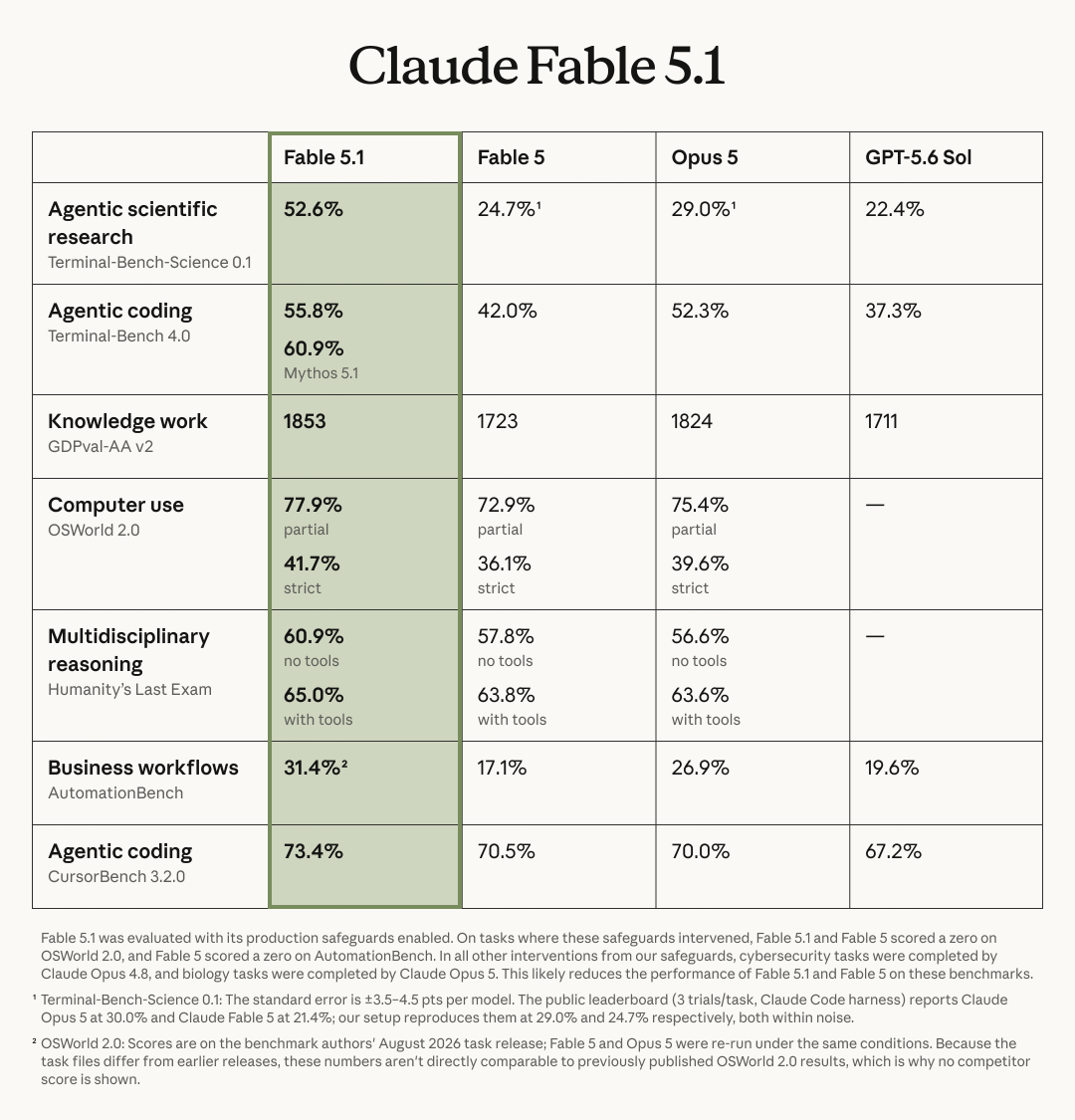
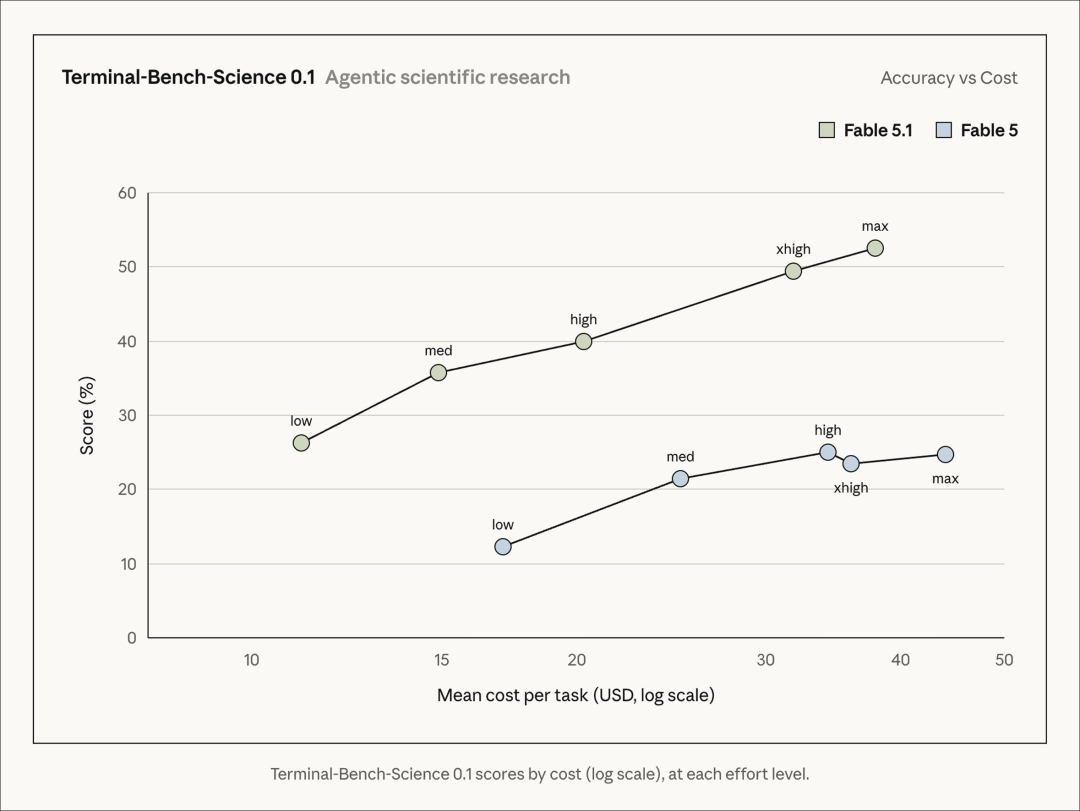
Performance improvements are clearly focused on long-term, multi-step Agent tasks, with Terminal-Bench-Science rising from 24.7% to 52.6% and AutomationBench from 17.1% to 31.4%.
What is perhaps more noteworthy than the model itself is the timing of its release — this is likely to be the last major model release before Anthropic goes public.
In a few days, on September 7, US Labor Day, Anthropic, which has secretly submitted its IPO filing according to plans previously disclosed by The Information, may officially release its prospectus after Labor Day and hold an investor day in mid-September, with the possibility of listing as early as late September to early October.
The fallout from Anthropic's previous "raise in name only" quota adjustment also appeared in the comments section of the new model release. On August 29, Anthropic announced that it would increase the "standard weekly quota" by 25% starting September 14, but this figure is calculated based on the old standard prior to May; compared to the temporary quota currently being used by users, it actually decreased by 17%.
Fable 5.1 has just gone live, and users are already asking Anthropic if it can provide both "more transparent and more generous" conversations and a weekly quota.

Fable 5.1: Enhancing Agent Capabilities for Longer Tasks
In terms of specifications, Fable 5.1 is not a major upgrade.
It continues Fable 5's 1 million Token context window and 128K maximum output, with the base price remaining unchanged: $10 per million input Tokens and $50 per million output Tokens.
In the current flagship model lineup, Fable 5.1 is still significantly more expensive: based on 1 million inputs + 1 million outputs, Fable 5.1 is 2.5 times the current price of GPT-5.6 Sol and more than 10 times that of GLM-5.3.
Anthropic officials even suggest that for most tasks, it's best to start with Opus 5, which is half the price, and only switch to Fable 5.1 when faced with difficult reasoning, long Agent tasks, or when Opus 5 is still insufficient even with high effort.
Notable changes have occurred in the cost of continuously running Agents.
The 5-minute and 1-hour cache write prices for Fable 5.1 remain at $12.5 and $20 per million tokens, respectively, but the cache read price has been reduced from $1 per million tokens in Fable 5 to $0.25, a 75% decrease.
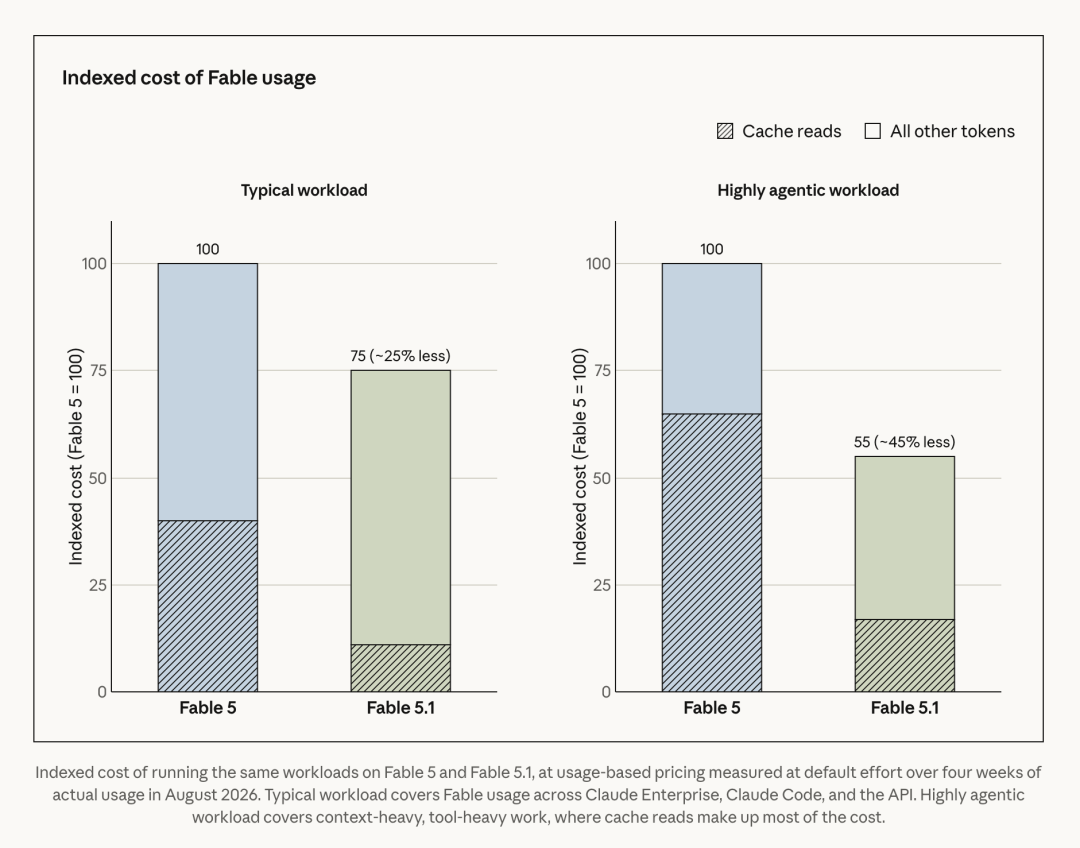
Cache read can be understood as: after a segment of context has been processed by the model, subsequent requests do not need to re-read the entire input every time. For a typical question-and-answer session, this part may not be crucial; however, for an Agent that runs continuously for several hours, it will repeatedly read system prompts, code libraries, tool definitions, and previously processed context, and the longer the task and the more tools are called, the higher the cost of cache read will be.
Anthropic calculated using actual usage data from a four-week period in August. In a token-based billing scenario, switching from Fable 5 to Fable 5.1 for the same task, the overall cost for typical workloads is expected to decrease by approximately 25%; for complex coding and highly agentized tasks with heavier context and more tool calls, the cost reduction can be as high as approximately 45%.
In other words, although Anthropic did not make Fable 5.1 itself cheaper, it made the task of "letting it work for a long time" cheaper.
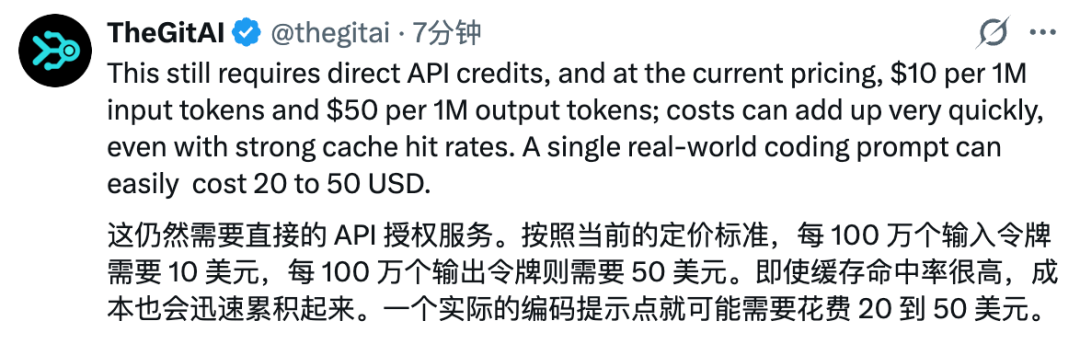
However, the affordability is relative to the past, and the base price is still a factor. A developer in the comments section warned that even with a high cache hit rate, costs can still accumulate quickly, with a single complex coding task potentially costing between $20 and $50.
Additionally, this price reduction mainly occurred in API and other token-settlement scenarios. For users who directly subscribe to Claude Code, another set of "quota accounts" has just sparked controversy.
On August 29, Claude Developers' official account announced that starting from September 14, the "standard weekly quota" for Pro, Max, Team, and per-seat Enterprise packages of Claude Code will be permanently increased by 25%. However, prior to this, Anthropic had temporarily increased this quota by 50%, and this temporary quota will remain in effect until September 14.
In other words, if the original quota is considered 100, users are currently getting 150, but after September 14, this will change to 125. Although this nominally represents a "permanent 25% increase" over the old standard, it actually represents a decrease of about 17% compared to the quota that users can currently use. Anthropic later added a supplementary explanation to confirm this calculation.
In the comments section following the release of Fable 5.1, users continued to ask Anthropic to provide "more transparent and generous" conversations and weekly quotas, and to stop playing similar verbal games.

However, in terms of performance changes, Fable 5.1 is indeed becoming more like a model specifically designed for long-term tasks.
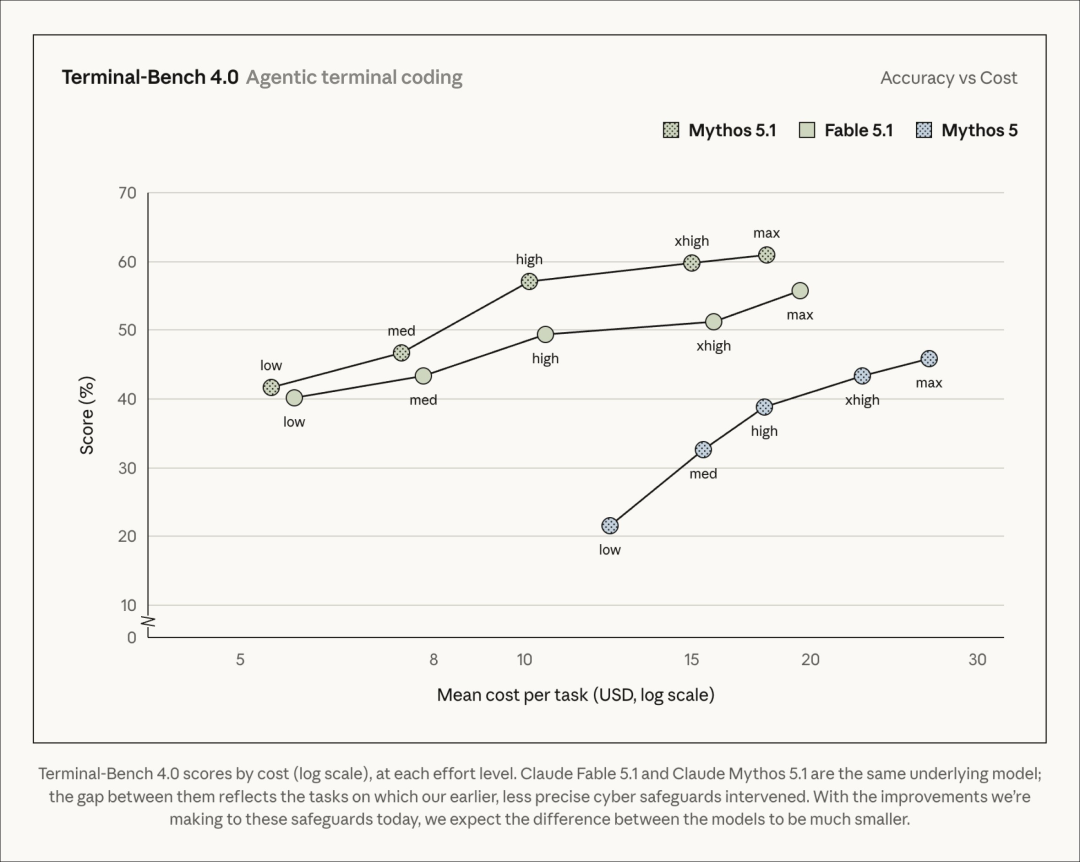
In the Benchmark released by Anthropic, the most significant improvement was seen in Terminal-Bench-Science 0.1. Fable 5's score increased from 24.7% to 52.6%, more than doubling. Terminal-Bench 4.0, which tests agent capabilities in terminal environments, rose from 42.0% to 55.8%, while AutomationBench, focused on complex business workflows, improved from 17.1% to 31.4%.
However, if switching to more traditional reasoning and Coding Benchmark, the improvement margin is not as dramatic.
Humanity's Last Exam scores rose from 57.8% to 60.9% without tools and from 63.8% to 65.0% with tools. CursorBench 3.2.0 scores increased from 70.5% to 73.4%, while knowledge work benchmark GDPval-AA v2 scores improved from 1723 to 1853.
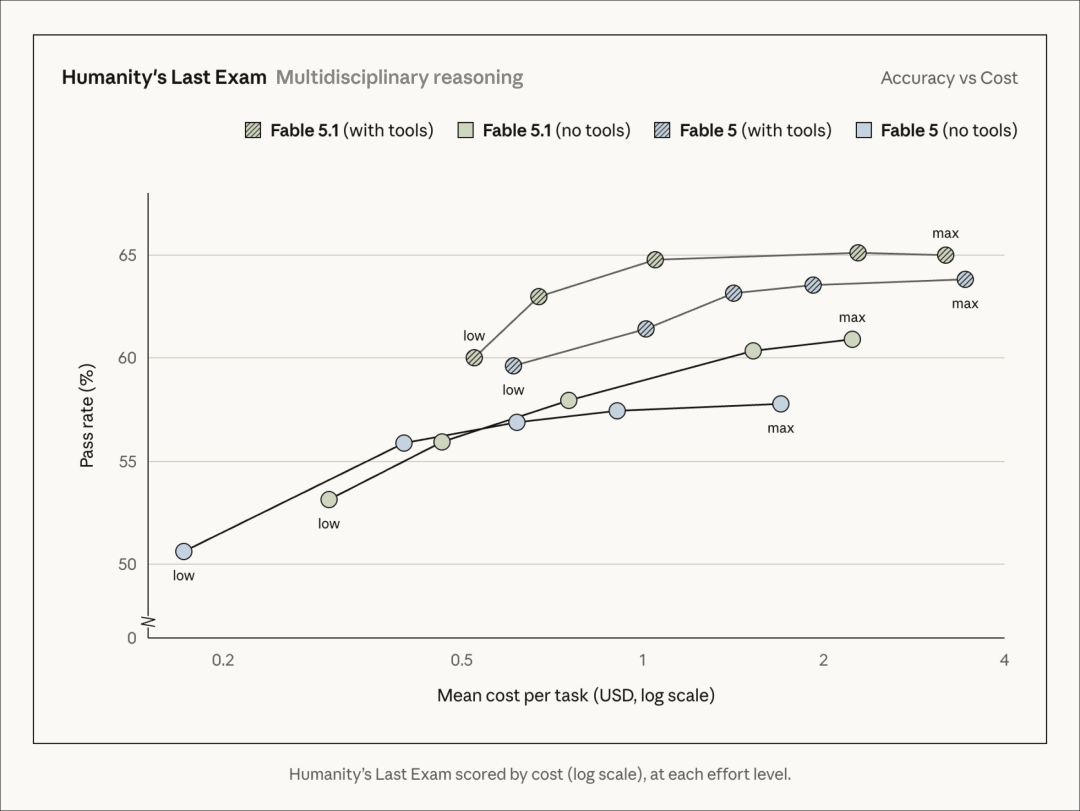
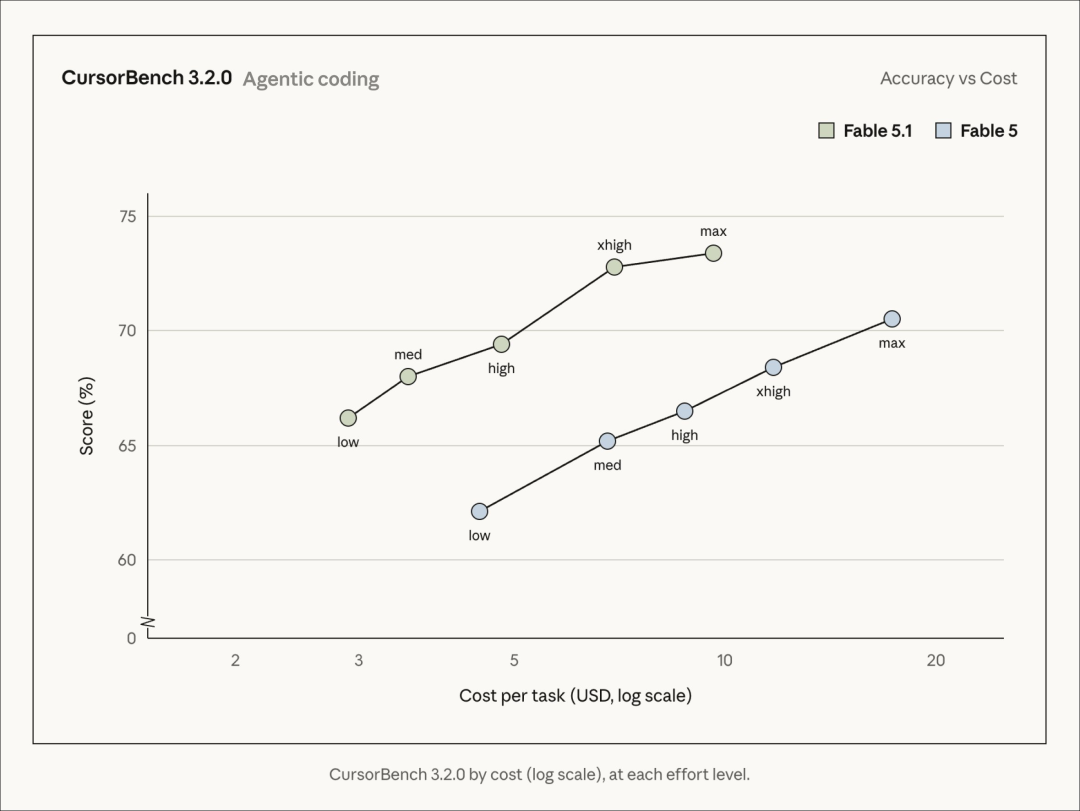
Overall, the improvements in Fable 5.1 are clearly focused on tasks that require continuous model invocation, handling multiple steps, checking intermediate results, and determining the next action, rather than uniformly distributing all capabilities.
Early enterprise tests are also repeating this trend.
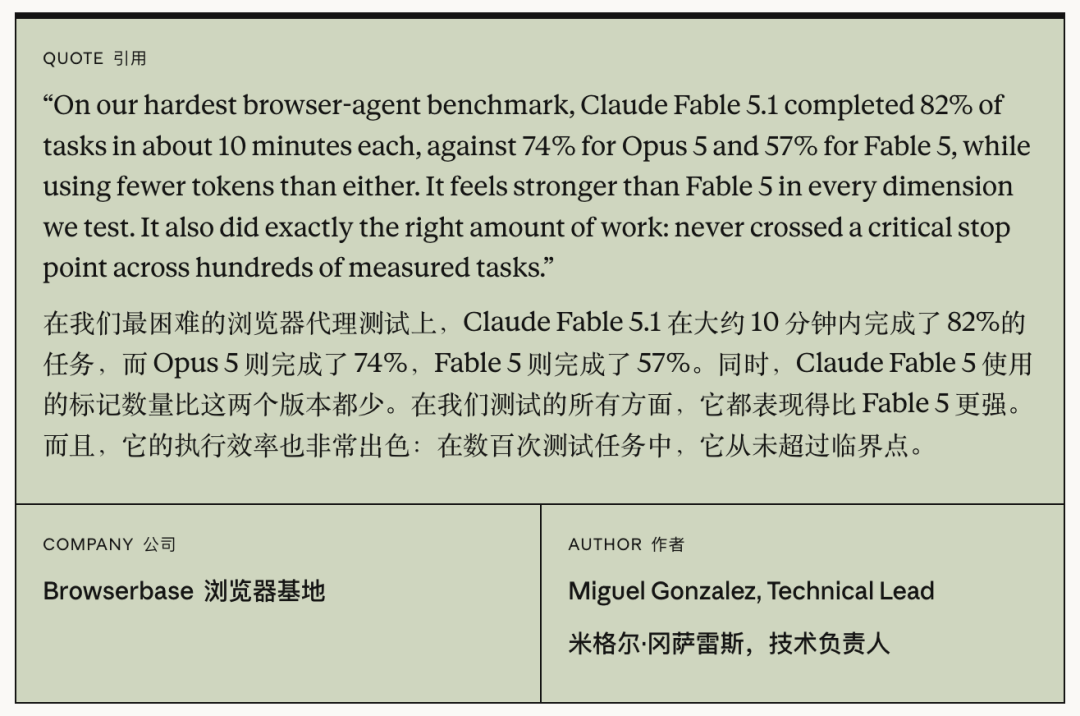
Browserbase's toughest browser Agent Benchmark saw Fable 5.1 complete 82% of tasks, Opus 5 at 74%, and Fable 5 at 57%.
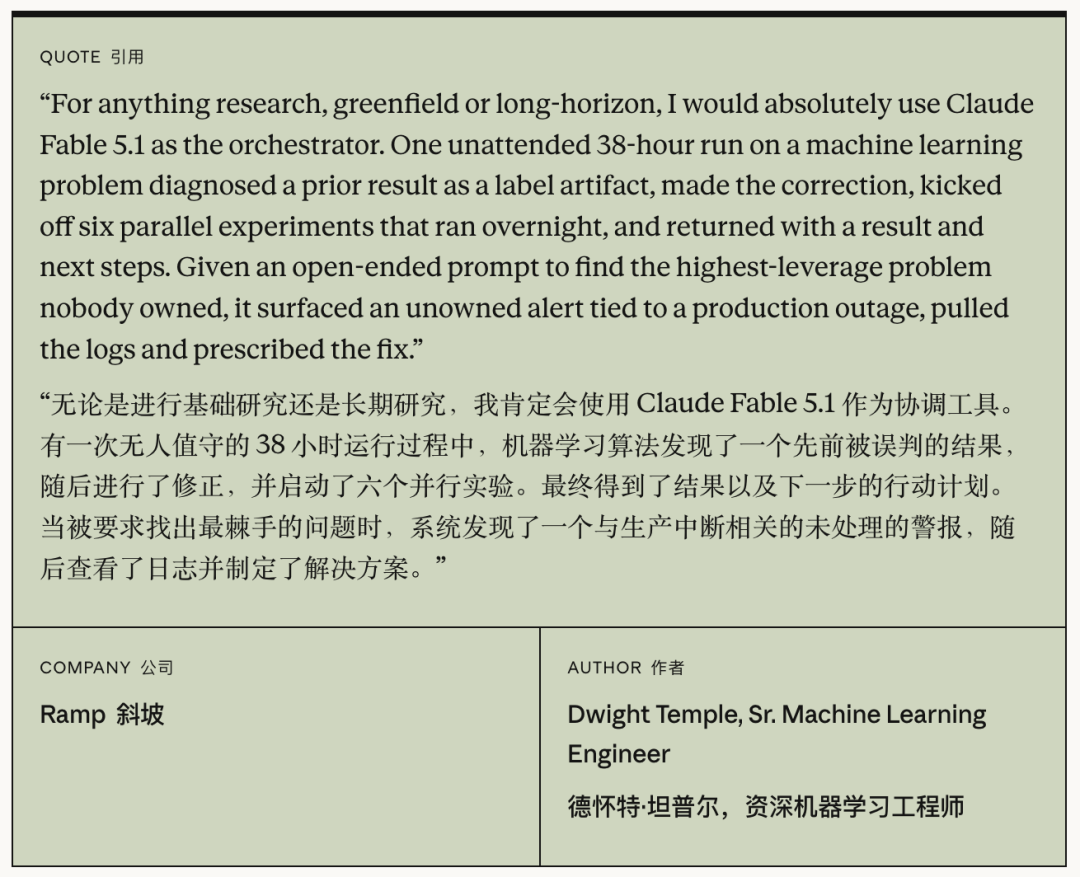
In one test, Fable 5.1 ran continuously for 38 hours without human intervention. It first discovered that the results of a previous machine learning experiment were affected by label bias, then corrected the issue on its own, and subsequently initiated six parallel experiments that ran overnight, ultimately returning with new experimental results and suggestions for the next steps. In another open-ended task, Ramp only instructed it to find the "unassigned but most worthwhile problems to solve", and it independently identified an unhandled alert related to a production accident, retrieved the relevant logs, and provided a repair solution.
Canva's feedback was more focused on generation quality, with its testing finding that Fable 5.1's text expressions were easier to understand and more in line with writing standards. In a blind test comparing Fable 5 and Fable 5.1, Canva preferred the output of the latter. Furthermore, in Canva Code, Fable 5.1 directly created a rhythm game, generating levels and real music, and even synchronizing the gameplay rhythm with the musical beat. Canva noted that this was something that none of the other models it had tested were able to achieve.
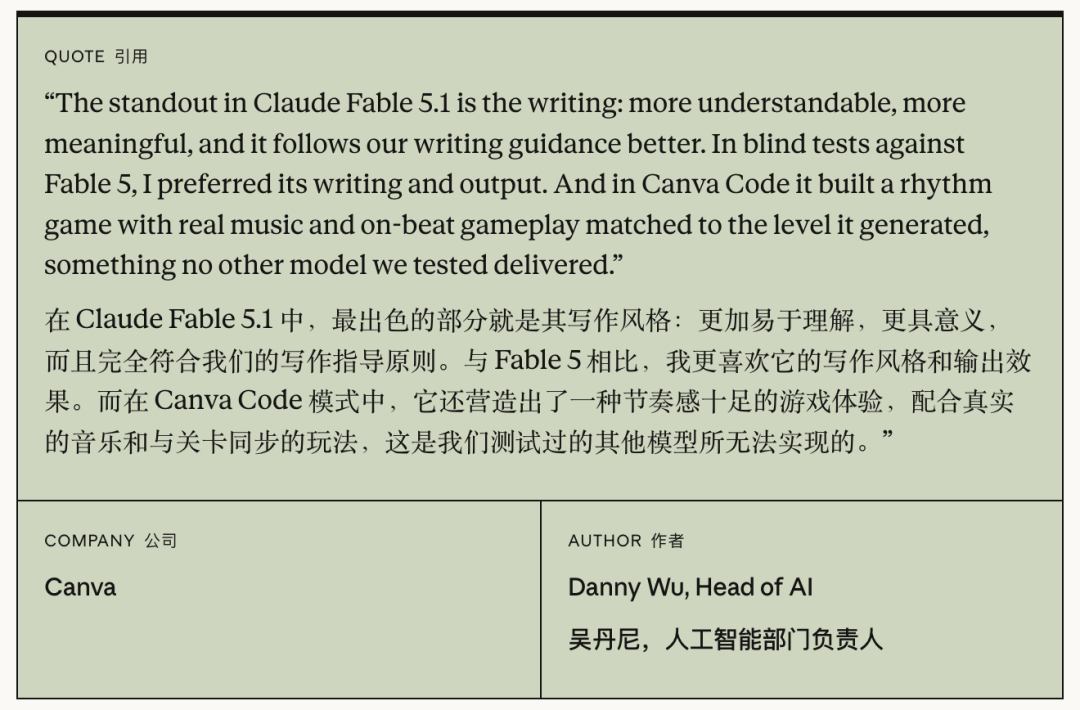
From Benchmark to enterprise testing, the most notable improvement in Fable 5.1 is that it can now more stably complete complex tasks: it can continuously judge, correct and advance in tasks that last for dozens of hours, and can also better organize text, code, music, and interactions in a single generation.
Claude entered the laboratory
Fable 5.1 and Mythos 5.1 appear to be two separate models, but Anthropic explicitly states in its official documentation:
Mythos 5.1 is "identical" to Fable 5.1, with the only difference being that it provides "more permissive safeguards" for vetted users.
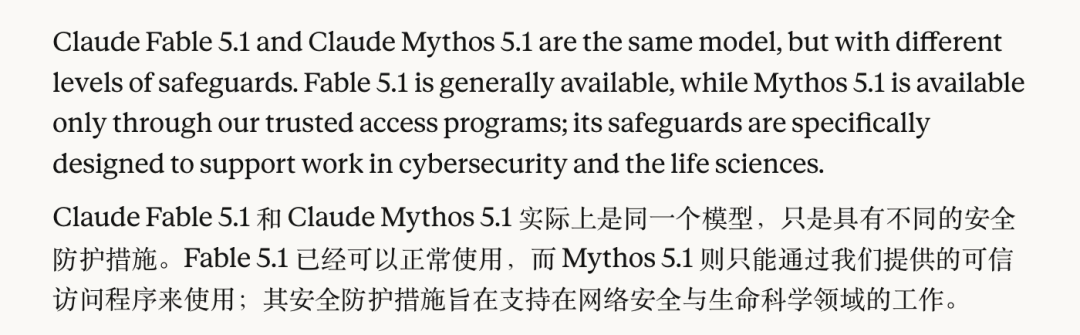
In other words, the difference between the two lies in security restrictions: Fable 5.1 is open to ordinary users and enterprises, but is subject to additional restrictions when involving high-risk capabilities in cybersecurity and life sciences; Mythos 5.1, on the other hand, provides the same cutting-edge capabilities with fewer restrictions to verified cybersecurity and life sciences institutions through a trusted access program.
The same benchmark sometimes yields different results for the two, mainly due to this reason. For example, on Terminal-Bench 4.0, which tests terminal operation and complex task execution capabilities, Fable 5.1 scored 55.8%, while Mythos 5.1 reached 60.9%. According to Anthropic, this is not because Mythos has a stronger underlying capability, but rather because some network security tasks triggered Fable's security restrictions; when these restrictions are reduced, the gap between the two should also narrow.
In this release, Anthropic devoted a significant portion to its research capabilities, which are mainly showcased by Mythos 5.1.
One of the most striking experiments was to directly design protein binders using Mythos 5.1.
Many modern medicines require combining with specific targets in the human body to achieve blocking, activation, or delivery. Anthropic has integrated open-source protein design and folding tools into Mythos 5.1, enabling it to design binders on its own, and then sends the results to two external institutions for experimental verification.
As a result, on 12 targets, the binder hit rate of designs from Mythos 5.1 approached 50%. Anthropic said that the hit rate commonly seen in current protein design is around 10% to 15%; on three of the targets, the binders designed by the model had affinity 10-fold higher than the best designs from the Adaptyv Bio protein design competition.

What's noteworthy here is not that Claude has learned to solve another biology problem, but that it has completed a more comprehensive scientific research process: using professional tools for molecular design and then sending the design to a real experimental environment for verification.
Similar things have also occurred in computational science.
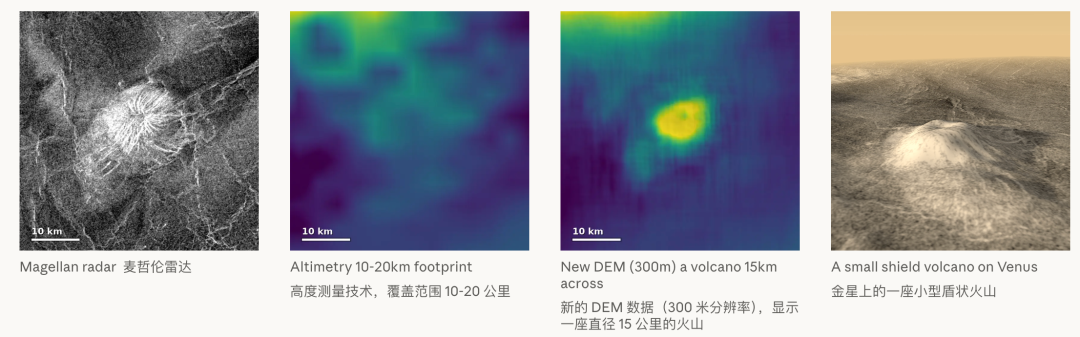
Fable 5.1 utilized radar data left over from NASA's Magellan mission over thirty years ago to train its own neural network, re-generating high-resolution topographic maps for approximately one-third of Venus' surface.
Past maps were only able to distinguish terrain details at a scale of about 10 to 20 kilometers, while the new maps have narrowed it down to 2 to 3 kilometers; Anthropic said the accuracy of elevation data has been improved by up to about 25%. The map was subsequently made public under a Creative Commons license, with the hope of providing a reference for NASA's VERITAS and the European Space Agency's EnVision Venus missions.
In addition, Mythos 5.1 has also done something more engineering-oriented.
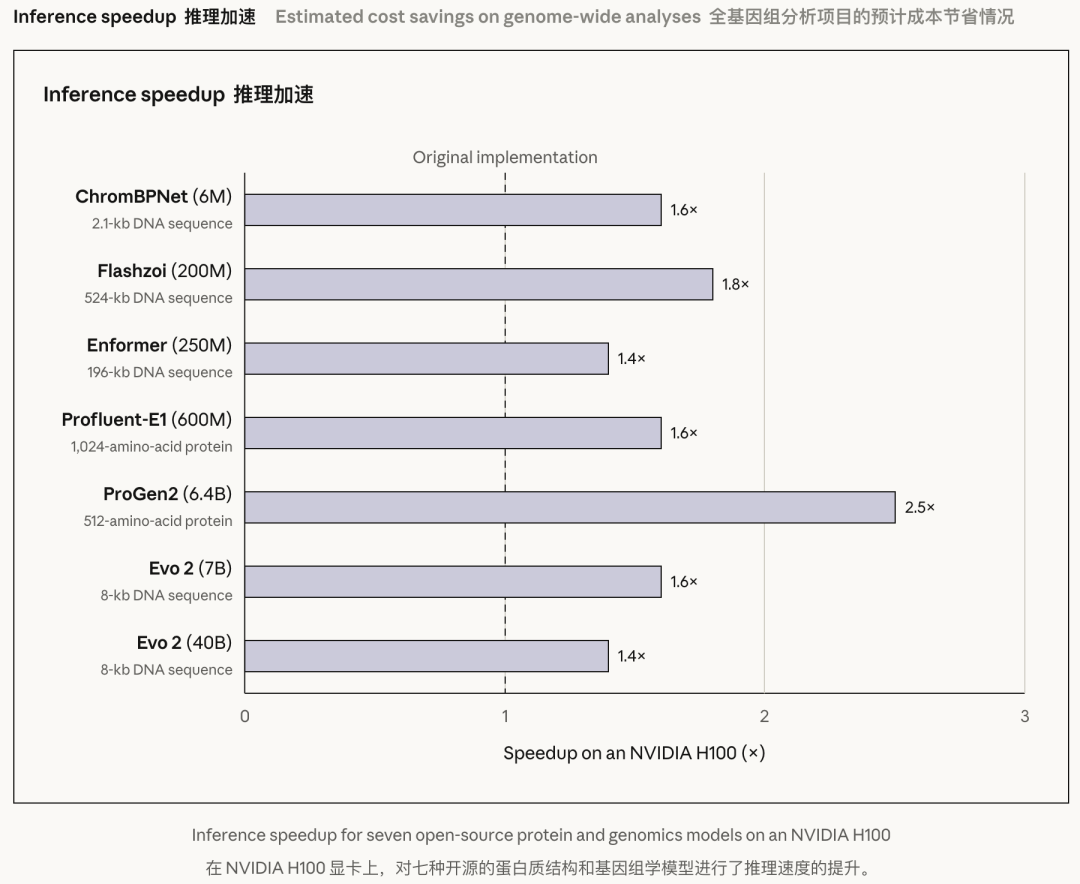
Biological research often requires repeatedly running protein and genome deep learning models, with GPU speed directly determining how much time and money many experiments will cost. Mythos 5.1 has customized GPU kernels for seven open-source models and caches intermediate calculation results, ultimately increasing inference speed by up to 2.5 times while maintaining completely consistent output.
Anthropic estimates that these optimizations can reduce GPU costs by 30% to 60% for certain whole-genome analysis tasks. Similar work typically requires a team of performance engineers to spend several weeks, while Mythos 5.1 achieved this in just a few days. Anthropic also plans to open-source these optimizations.
Taking these cases together, Anthropic's definition of Claude's research capabilities has undergone a change.
In the past, when discussing AI for Science, models were often used to read papers, retrieve information, write code, or interpret results. With Fable 5.1 and Mythos 5.1, Claude has begun to engage in longer scientific research processes.
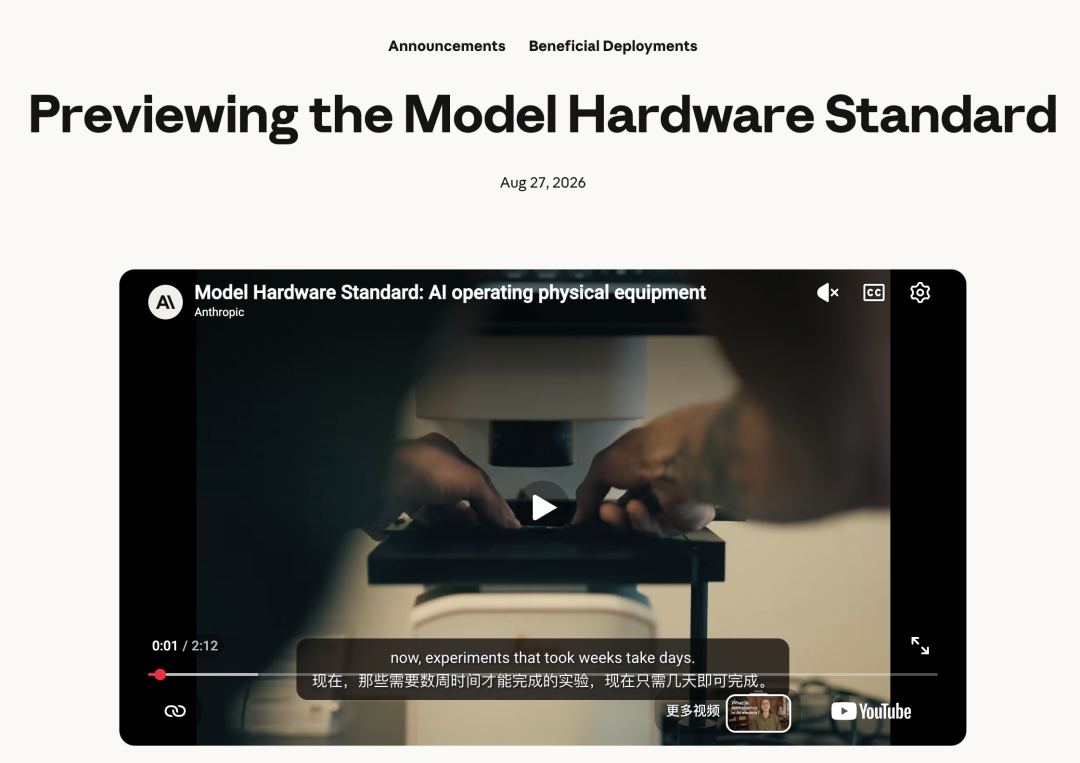
This path has even begun to shift from software to actual experimental equipment - just a week before the release of Fable 5.1, Anthropic opened a research preview of the Model Hardware Standard (MHS), with the goal of enabling AI agents to directly operate laboratory hardware such as microscopes, liquid handling devices, and robotic arms.
As capabilities advance towards scientific research and high-value tasks, Anthropic not only needs to face the security issue of "who to open it to", but is also increasingly concerned with another thing: how to prevent the core model capabilities from being "taken away" by others.
Fable 5.1 has introduced a stronger anti-distillation mechanism. In its official announcement, Anthropic directly named a practice where API users could modify the historical context in multi-turn conversations while retaining Claude's previously generated thinking records. This allowed external models to collect Claude's reasoning trajectories in bulk and use them to train and distill their own models.
Starting from the release of Fable 5.1, newly created API accounts can no longer perform this operation. Simply modifying the conversation context from before will prevent previously saved thinking transcripts from being retained. Anthropic explicitly stated that this change is intended to block a "publicly documented distillation technique"; existing accounts are temporarily unaffected, but this change will be gradually rolled out to all users when future models are released.
The security system for enterprises is also being simultaneously improved. Anthropic's simultaneously launched Enterprise Frontier Safeguards (EFS) is attempting to resolve a very real contradiction that has existed for Fable-level models: companies want to retain enough data to detect model misuse, but enterprises in fields such as finance, medicine, and law are unwilling to have sensitive data stored by model companies for extended periods.
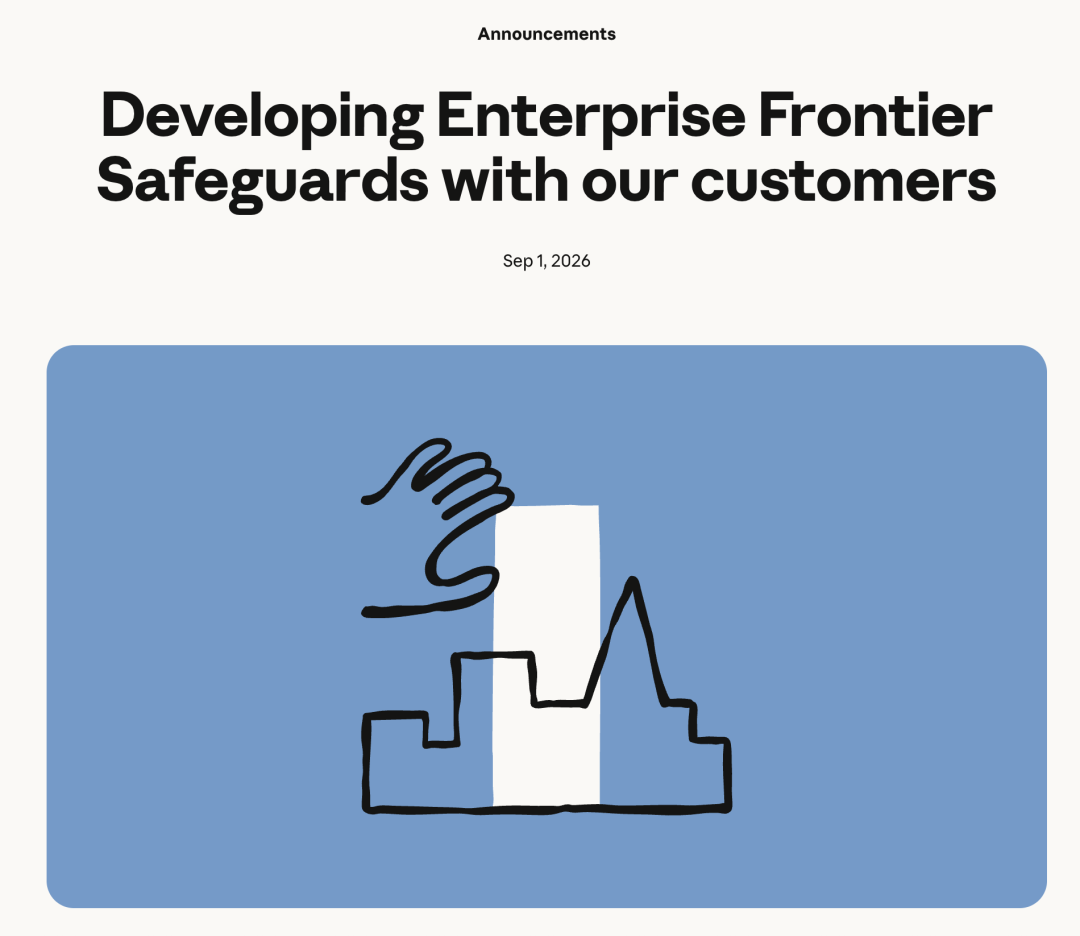
EFS' approach is to store the data required for monitoring directly in the customer's own controlled cloud infrastructure, rather than on Anthropic's servers. By default, human review is also performed by the customer themselves. Anthropic said this mechanism was developed in collaboration with over 100 clients from industries including finance, healthcare, manufacturing, telecommunications, and law, and will be rolled out in phases starting this autumn.
From protein design and Venus maps to vulnerability discovery, and from reverse distillation to enterprise security, Fable 5.1 showcases more than just a model.
Anthropic is building a full suite of permissions, security, and infrastructure to bring cutting-edge capabilities into the world of research and enterprise beyond its models.
After Fable 5.1, Anthropic is heading to Wall Street
If current plans remain unchanged, Anthropic may soon officially lay out its books on Wall Street in a matter of days.
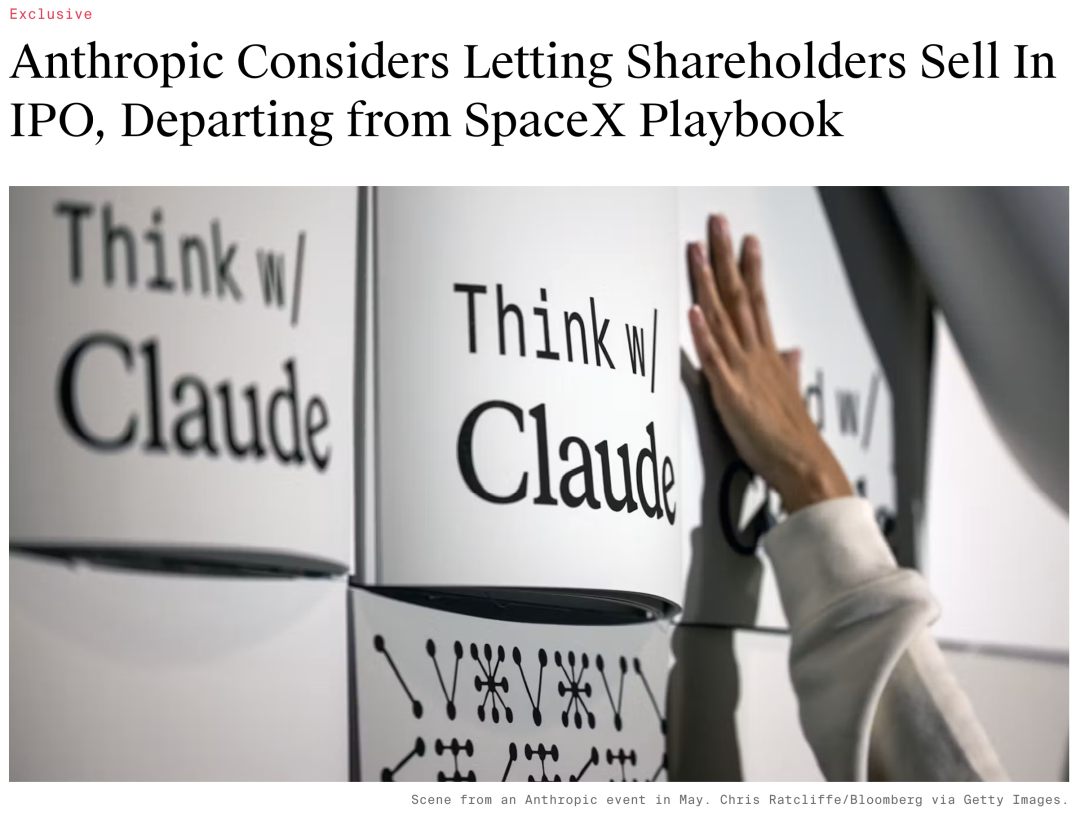
The Information reported that Anthropic plans to publicly file its IPO prospectus after the US Labor Day on September 7 and hold an investor day in mid-September, with a possible listing as early as late September to early October. The company had secretly submitted its IPO filing in June.
Fable 5.1 naturally became a demonstration of Anthropic's capabilities before its public listing.
After all, once the prospectus is truly made public, what Wall Street needs to judge is not whether Claude can still get high scores in a few Benchmarks, but how much Anthropic is actually worth.
In May, Anthropic's latest private funding round valued the company at $96.5 billion. By August, multiple investors interviewed by the Financial Times predicted that Anthropic's valuation at IPO could exceed $200 billion. Investors expect the company's annualized revenue to reach $10 billion to $12 billion by year-end, with one investor estimating $300 billion based on the company's growth rate and a 30-times revenue multiple. Of course, these are just the investors' own valuation models for now, and the final issue price has not been determined, with plans subject to change at any time.
Such a high valuation is difficult to justify based solely on how much money Anthropic is making today. (We have discussed this in more detail in previous articles.)
Reuters obtained internal financial forecasts in August showing that Anthropic expects revenue to reach $190 billion to $200 billion by 2028. The company's annualized revenue run rate has also grown from around $90 billion at the end of 2025 to $470 billion in May this year, and exceeded $650 billion by the end of July. Documents obtained by Bloomberg also show that the company's preliminary revenue in the second quarter exceeded $115 billion, more than 14 times that of the same period last year, and recorded positive adjusted operating profit for the first time.
Wall Street has already begun to price it based on its projected value for the next few years. According to Reuters, investment banks and investors are using 2028 revenue forecasts to calculate Anthropic's enterprise value-to-sales ratio, with Palantir, Cloudflare, and SpaceX serving as benchmarks in different dimensions.
Right before going public, Anthropic is still spending heavily on GPUs, training models, making inferences, and expanding its team.
A week before the release of Fable 5.1, Anthropic was revealed to have signed a six-year, $45 billion computing power contract with Nscale, renting approximately 460MW of data center capacity in West Virginia. Days later, Reuters disclosed that Anthropic had also signed a cloud computing contract worth around $35 billion with Lambda, which is backed by Nvidia, corresponding to approximately 350MW of data center capacity in Nueces County, Texas.
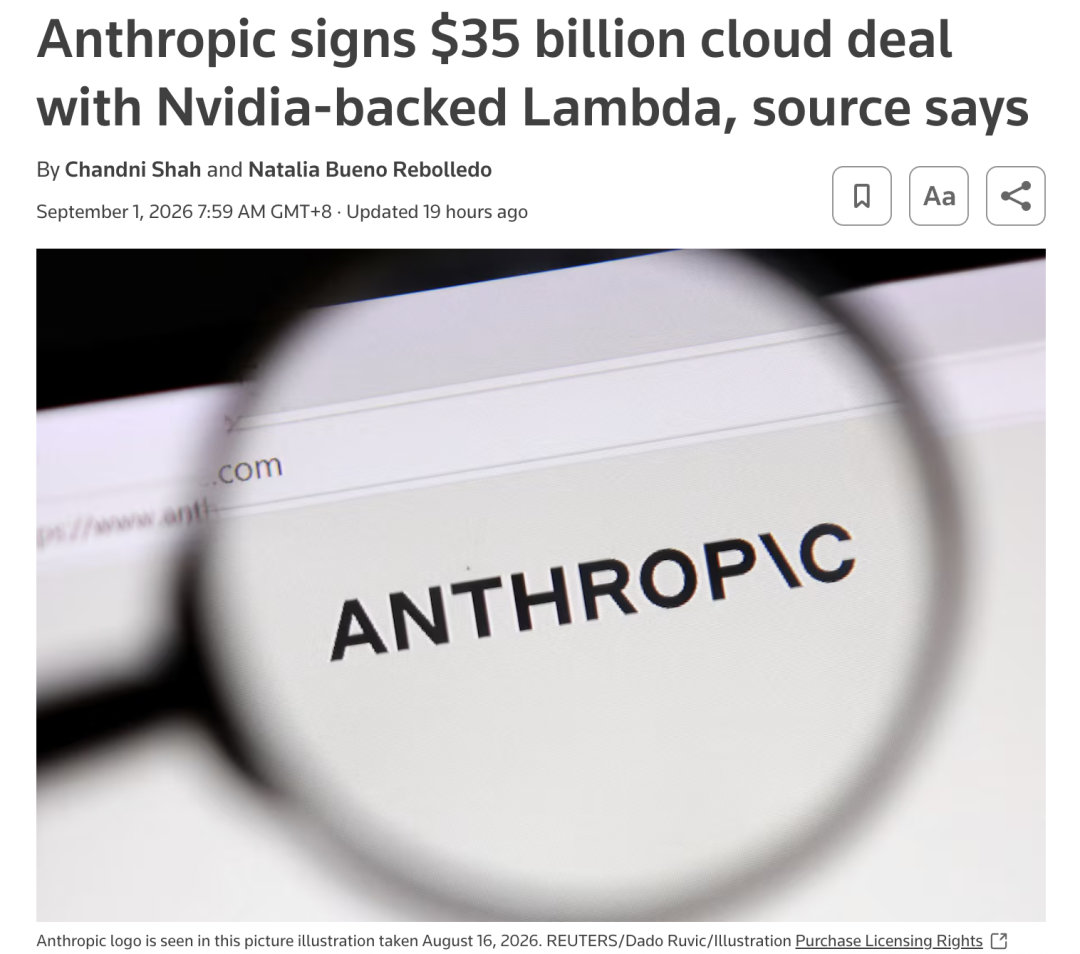
These two recently exposed computing power commitments have already reached $80 billion (approximately 537.7 billion yuan).
This also gives another layer of meaning to the seemingly scattered changes that came before Fable 5.1.
On the one hand, it is necessary to continue demonstrating that Claude is at the forefront, as evidenced by Terminal-Bench-Science doubling and the long-term Agent being able to run unattended for dozens of hours, which at least shows that Anthropic is still continuously advancing its model capabilities.
On the other hand, merely proving that "models are smarter" is obviously not enough.
Protein design, scientific computing, enterprise agents, network security, and Enterprise Frontier Safeguards, as mentioned in the second part, are all pushing Claude in a direction: towards solving problems that enterprises are originally willing to spend a lot of money on.
Fable 5.1 also reduces the cost of cache reads based on the same logic. Anthropic did not participate in the low-price competition for basic tokens, but instead focused on long-term agents, reducing the actual cost of typical workloads by about 25%, and highly agentized tasks by as much as 45%.
The stronger the model, the longer the Agent can work; the longer the working hours, the more it is necessary to reduce the computing power cost per unit task.
This may be the most crucial math problem Anthropic needs to prove after going public. Growth has been rapid enough, but the question is whether revenue can ultimately outpace costs, which are also ballooning at a rate of tens of billions of dollars in computing power commitments.
The value of Fable 5.1 is not just about Anthropic achieving another impressive benchmark score before its IPO. From longer-term agents, to scientific and high-value enterprise tasks, to cost reduction, security, permissions, and infrastructure, Anthropic is trying to demonstrate a more complete chain.
Model capabilities can be turned into jobs, jobs can be turned into income, and income can ultimately outpace computing power.
In a few days, after Anthropic's IPO prospectus is made public, this chain of events will no longer be just a product story for model companies.
It will also become the basis for Wall Street to price Anthropic.