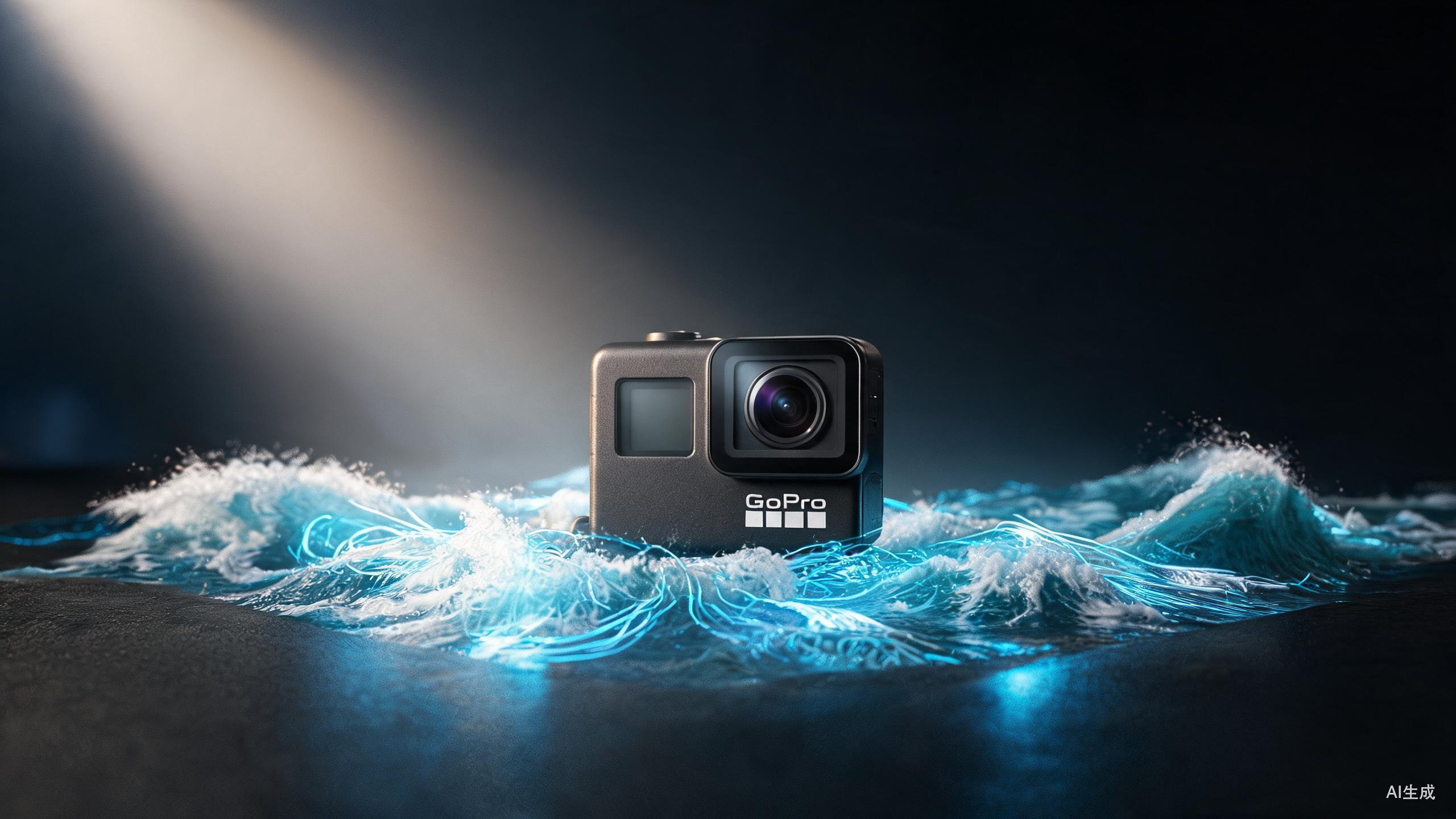
On September 1, GoPro announced that it had reached a merger agreement with Starman Optical, a US-based optics company.
Under the agreement, GoPro's existing shareholders will receive a total of approximately $285 million in cash, or around $1.14 per share, while retaining about 10% of the combined company's shares. GoPro's approximately $92 million in debt will be repaid upon the completion of the transaction, and the company will remain listed on Nasdaq.
The remaining approximately 90% of shares will be held by Starman.
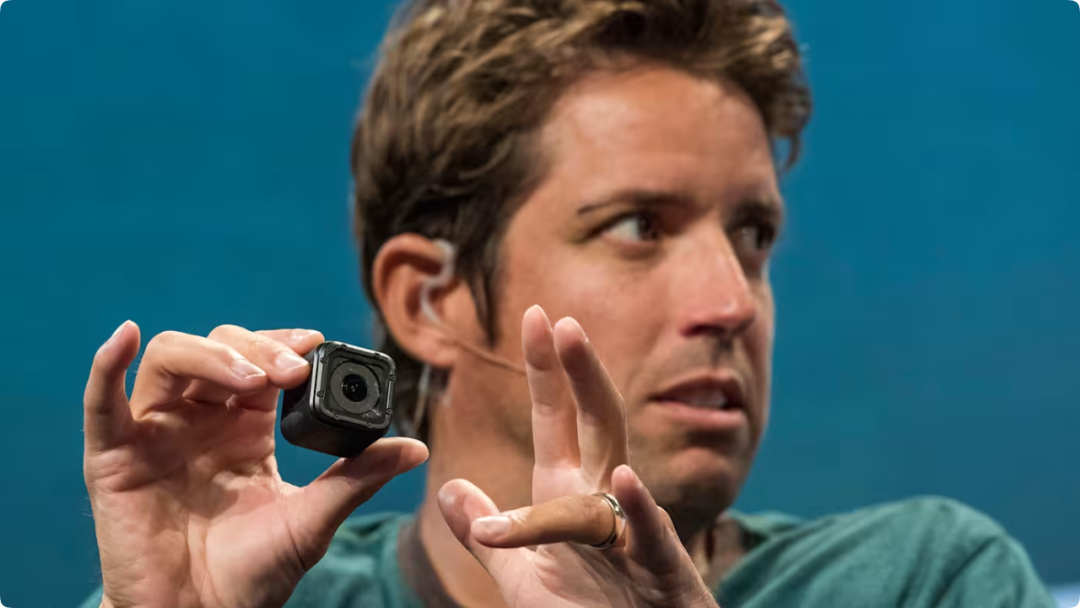
Picture|Financial Times
In simple terms, this is almost an outright acquisition of GoPro: Starman would take roughly 90% of the combined company, while GoPro's existing shareholders receive cash and retain a small equity stake.
Or, more accurately, this is a very typical reverse merger/backdoor listing - yes, even a once-strong company like GoPro has been reduced to a "shell".
As the merged company continues to be listed on the Nasdaq, the originally private optical company has also gained access to the public capital market.

Figure: GoPro
Many friends are curious about who Starman is.
This is a private US optics and photonics company. It mainly develops and manufactures optical transceivers, a type of device that converts data into optical signals for high-speed transmission through optical fibers. After the rapid expansion of AI data centers, optical transceivers have become an increasingly important part of the infrastructure.
After the merger, Starman's optical transceiver business will be integrated into GoPro's product portfolio. The two companies plan to further expand into markets including AI data centers, government, defense, robotics, and aerospace. GoPro's existing camera, subscription, and cloud services will be retained.
From surfing, skiing, and extreme sports, to AI data centers, defense, and aerospace, this is probably the farthest GoPro has strayed from cameras in its over 20 years of existence.
To understand how it ended up here, we have to go back to when that camera was born.
A Surfer and a New Way of Viewing the World
In 2002, 26-year-old Nick Woodman was surfing in Australia and Indonesia, having previously founded two companies, the second of which, Funbug, failed to survive after catching the tail end of the internet bubble.
This trip was initially meant to be an escape from a scene of failure, but at sea, he encountered a new problem.
He wanted to capture himself surfing, but ordinary cameras at the time found it difficult to get close to surfers in the water, and professional equipment was prohibitively expensive. Since there was nothing suitable, he tried to make one himself.
Woodman initially tried using a wrist strap to secure the camera.
He borrowed his mother's sewing machine, repeatedly adjusting the size and fixation of the strap, in an effort to make the camera wearable on his wrist even underwater.
In its early days, GoPro didn't have the complex terminology of computational photography, high frame rates, and stabilization algorithms that it does now. The first HERO, launched in 2004, even used 35mm film.
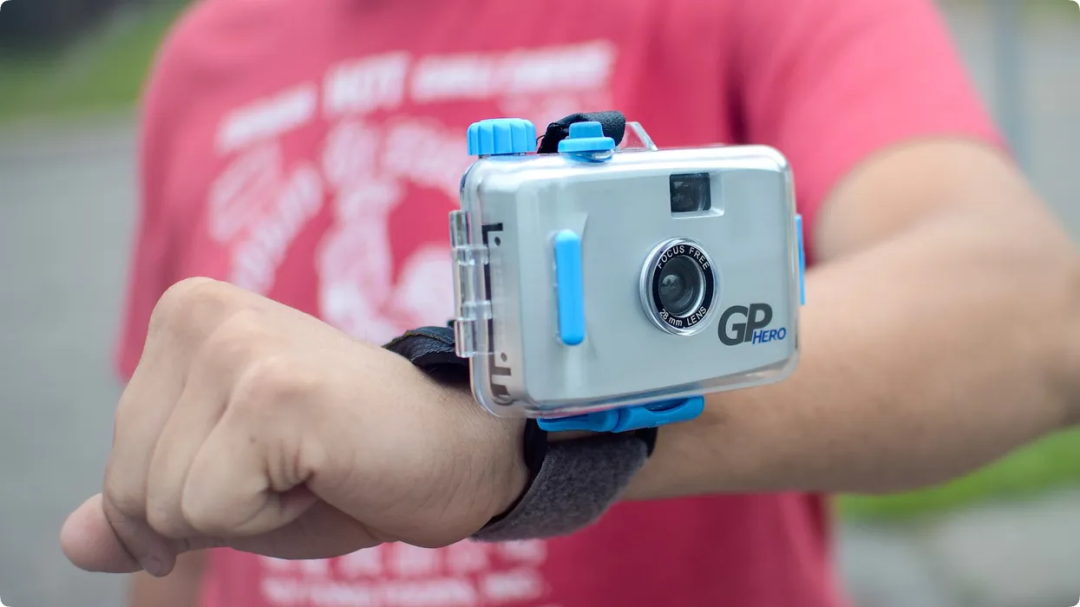
Image | No Film School
That year, at a sports equipment show in San Diego, a Japanese buyer placed a $2,000 order, and GoPro's business was officially underway.
This beginning seems no different from the many Silicon Valley startup stories we've seen.
But what's great about GoPro is that it has never just created a small camera, but a way of looking at the world.
In the past, when shooting surfing, photographers stood on the shore, and surfers remained in the frame, with the lens and the person always separated by a distance. Most sports images record you through someone else's eyes.
The distance disappeared after GoPro was strapped to wrists, helmets, handlebars, and snowboards. Surfers dove into wave tubes, and the audience followed, seeing the water close in around them; mountain bikers careened down rocky faces, and the footage bounced along – the camera naturally syncing up with the body and motion.
"Be a HERO" was especially persuasive in that era.
Ordinary people can become the HERO of their own story by wearing a camera on themselves.
The proliferation of smartphones and YouTube subsequently added the final two pieces to the puzzle for GoPro, as people suddenly had access to affordable filming tools and a platform to share videos with the world.
GoPro thus evolved from a surfer's gadget into a global imaging culture.
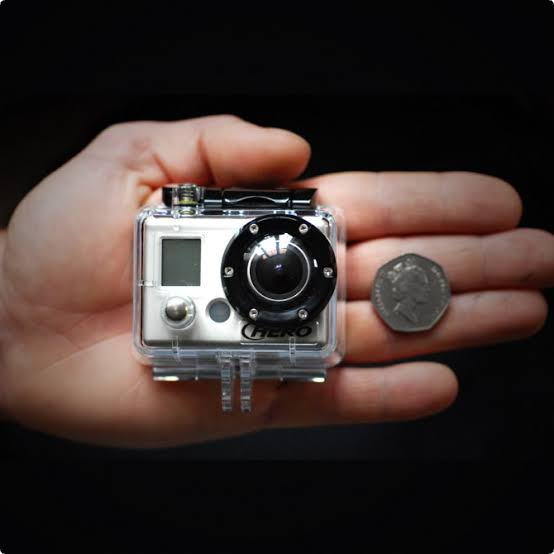
Photo: Philip Bloom
The first high-definition HD HERO was launched in 2009. Woodman later recalled that the company had only seven or eight people at the time, yet it had already generated $19.1 million in revenue that year.
By 2013, GoPro's share of the US camera market by sales had reached 45%. In 2014, the company sold approximately 5.2 million devices and generated $1.394 billion in revenue for the year.
In the same year, GoPro went public on NASDAQ.

Photo: TIME
On its first day of listing, the company's valuation reached approximately $4 billion, with its stock price briefly exceeding $90. Silicon Valley has not seen a new consumer hardware story this exciting in a long time.
Woodman also stepped into the spotlight, shouldering the imagination of the public as the next hardware superstar founder.
At the time, Woodman was a young man always with a smile, passionate about surfing and speaking with enthusiasm, also putting him in discussions alongside Silicon Valley's most legendary hardware entrepreneurs, with Silicon Valley once describing him as the "next Jobs" and expecting GoPro to become the "next Apple".
However, creating a new category and defending one are never the same capability.
Latecomers Surpass, GoPro Left Behind
The stock price indicates that from the start, capital has not viewed GoPro as a ordinary camera company, and it needs to continuously prove that it can transition from action cameras to a larger market.
After the first wave of surfers, skiers, and cyclists made their purchases, companies must find more users — and also get existing customers to keep spending.
GoPro entered the capital markets' game of demanding sustained growth before it had even built its second growth curve.
Where new revenue would come from became a question that dogged GoPro for the next decade.
It tried turning action-sports footage into a content business, and attempted to take GoPro to the skies with the Karma drone. More recently, it has shifted its focus toward software, subscriptions, and new imaging formats.
These directions all made sense at the time. They shared the same mission: to prove that GoPro had a future beyond action cameras.
These attempts ultimately failed to become the second HERO, to understand the reasons, Nick Woodman is a person who cannot be bypassed.
He enjoys surfing and traveling, and knows why people want to strap a camera to themselves, and why a shaky, rough first-person video can be exhilarating. GoPro's initial industry-changing products were largely born out of this firsthand understanding.
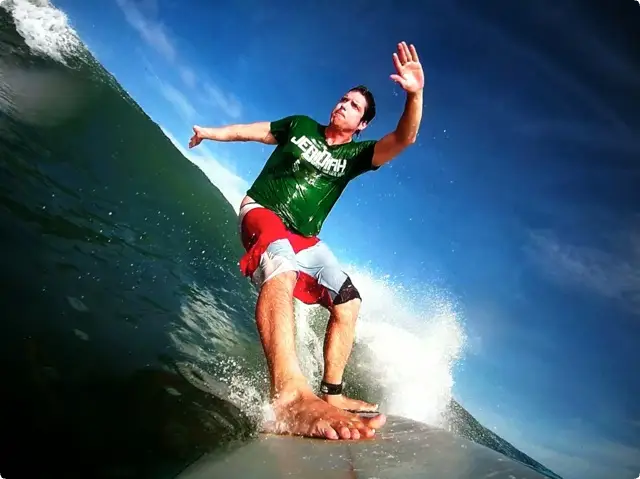
Figure | BUSINESS INSIDER
The biggest dilemma may also stem from this.
In July 2015, Woodman did an AMA on Reddit, where someone asked him how he normally arranges his work, and he said he is fortunate to be able to focus his main energy on things he likes, including products, marketing, and the company's overall vision and strategy.
He particularly enjoyed Product Day, where he would sit with engineers and designers to envision the future of GoPro.
Another person asked him what he would do differently if he had to do it all over again. Woodman said he would seek professional help earlier. It took him eight years to realize that running a company doesn't have to be a trial-and-error process, and that there are experienced people outside who can help him.
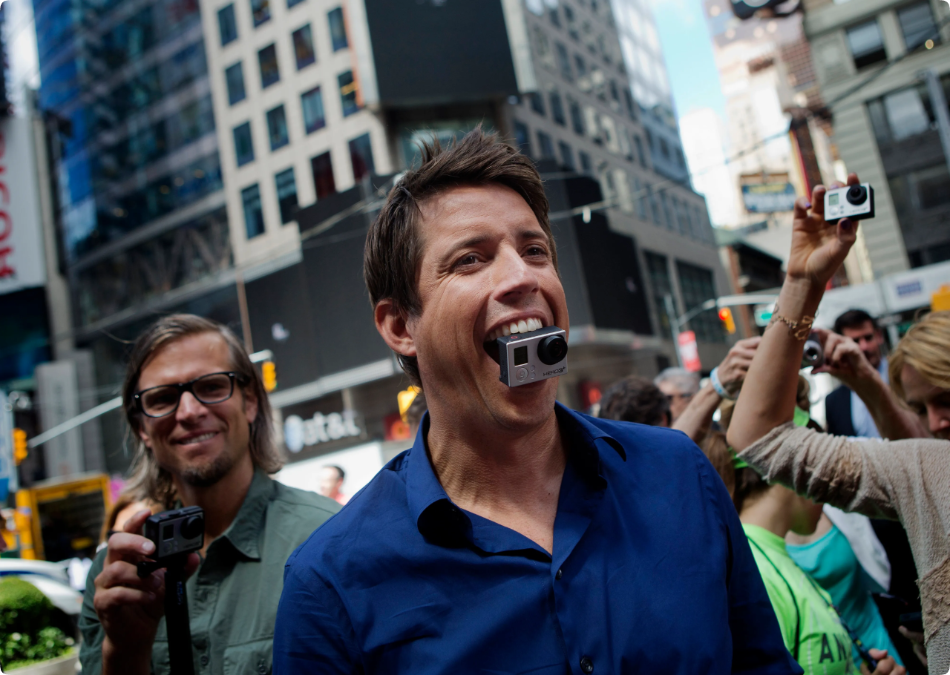
Image | Fortune
At that time, Woodman spoke with an air of ease, as GoPro was still riding high in 2015. "Seeking professional help earlier" sounded more like the reflective wisdom of a successful founder looking back on his journey.
What happened later, however, gave the phrase an entirely different implication.
This appears to foreshadow the outline of GoPro's problems for the next decade: Woodman was good at creating GoPro, but failed to establish a method to steadily convert the founder's product intuition into organizational capabilities.
Before its initial public offering, GoPro's organization was simple, with sales, marketing, engineering, and design all centered around the product. After going public, in order to develop new businesses such as software, hardware, and media simultaneously, the company gradually evolved into multiple relatively independent business departments, leading to increased bureaucracy and problems with internal communication and collaboration. Following the crisis, GoPro laid off employees, shut down its entertainment department, and reverted to its original, flatter structure.
Woodman himself said at the time that they decided to simplify everything and "return to the business we were familiar with and loved as a private company".
People often compare Woodman to Jobs due to his obsessive attention to product detail, but Apple's success also stemmed from the people around Jobs who were able to keep the supply chain and engineering systems in pace with the products, turning the founder's intuition into the company's daily operations.
A great startup can be built by a single geek, but a mature consumer electronics giant cannot be run by just one geek forever.
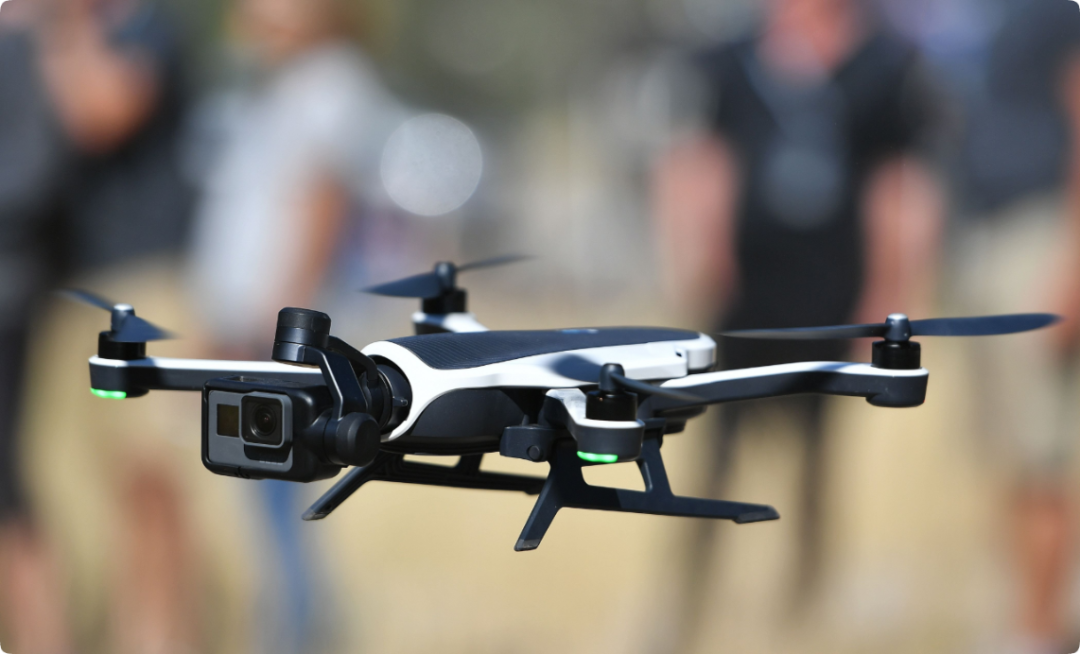
Picture|Wall Street Journal
Karma, namely GoPro's drone product line, has become a microcosm of the company's problems.
GoPro initially expected to build a team and create its own flying device in about a year, but the actual complexity far exceeded expectations. The project was repeatedly delayed, with the company recruiting drone talent from all over and rapidly increasing research and development investments. By the end, GoPro even had to seek help from external drone experts.
Karma has already been made public, and the company must rush to catch up with the crucial Christmas sales season, with increasingly complex technical issues and a rapidly shrinking timeline.
Weeks after the product's launch, an unexpected incident occurred. Some Karmas suddenly lost power and fell during flight. The cause was a fundamental issue with the battery connection: the battery could become disconnected from the interface during flight, causing the drone to lose power and crash. GoPro recalled approximately 2,500 units of the product just over 10 days after its release.
Such a fundamental and fatal design flaw made it through testing and mass production, which is enough to illustrate GoPro's situation at the time: its pace of entering new markets exceeded the organization's ability to digest complexity.
Forbes' report at the time also used a cleverly worded title, "The Sky Is Falling For GoPro", which referred to both the drone falling from the sky and the idea that GoPro was in trouble.
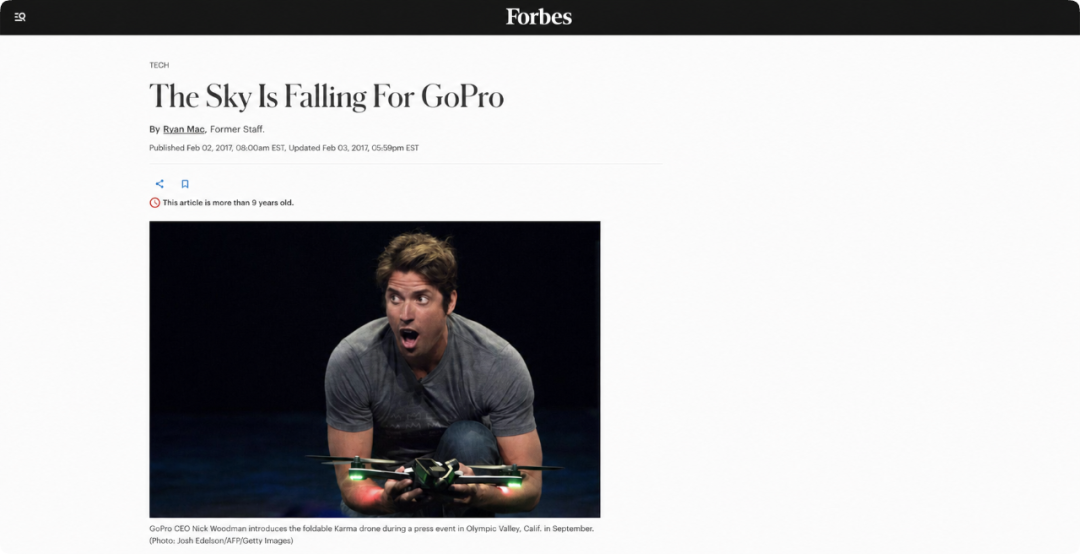
Picture|Forbes
There's no room for first movers in the hardware market. While GoPro was busy managing its crises, DJI, once trailing behind, has caught up.
Shortly after Karma's release, DJI launched the smaller and cheaper Mavic Pro, and while GoPro was still dealing with the recall, DJI was already selling its foldable drones globally.
DJI and GoPro weren't even rivals to begin with.
When the first-generation Phantom drone took to the skies, the device hanging underneath it, acting as its "eyes," was a GoPro. Woodman and Wang Tao once discussed jointly developing a drone, but the collaboration ultimately fell through. Years later, GoPro released the Karma, while DJI released the Mavic, with the two companies becoming competitors in the same arena.
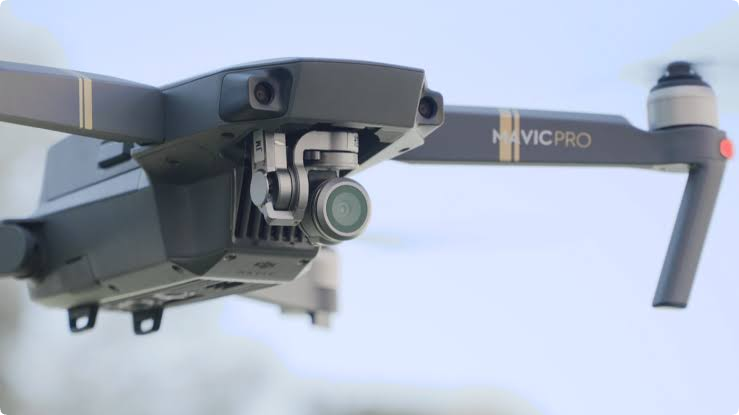
Figure | CineD
The subsequent story is also more familiar to everyone. In 2019, DJI released the first generation of Osmo Action. Meanwhile, Insta360, which was founded in 2015 and entered the market with panoramic cameras, also entered the action camera market in 2017.
DJI has brought stabilization, gimbals, and drone ecosystems to the field, while Insta360 has changed the relationship between shooting and composition with its 360-degree capture and post-production framing capabilities.
These manufacturers have started to erode GoPro's market share, more importantly, they have begun to answer the question of "what should the next generation of action cameras be" that was originally supposed to be answered by GoPro.
GoPro is still updating the HERO and continuing to improve resolution, stabilization, and accessories, producing competitive products, but these updates are increasingly about how to make GoPro better rather than innovating.
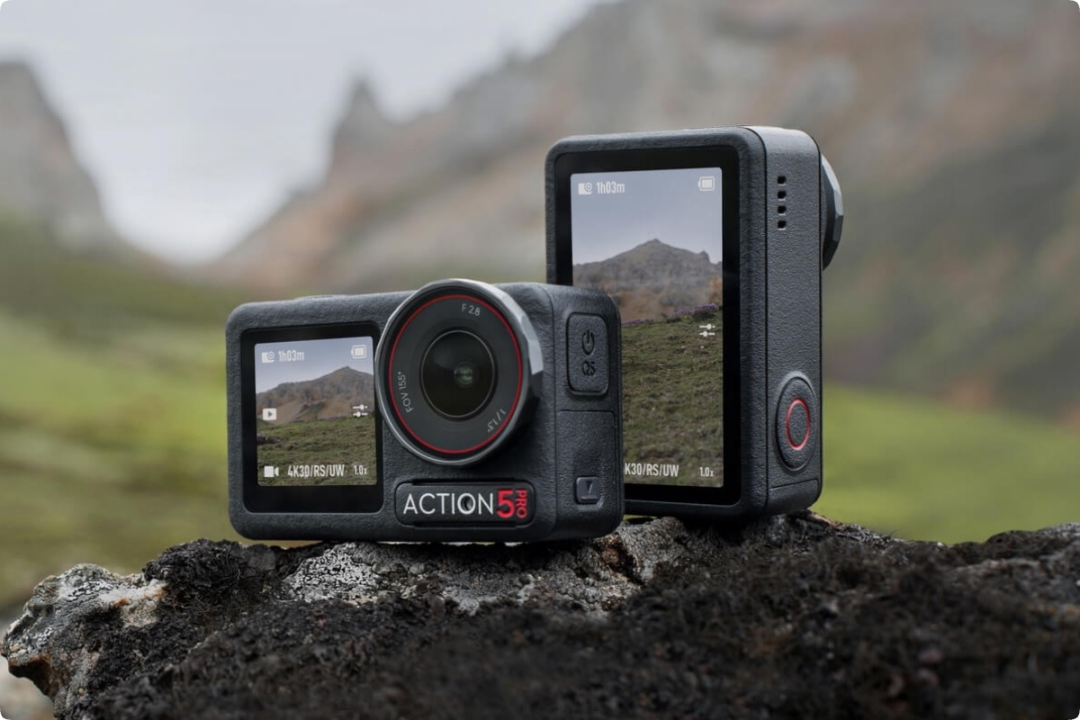
Figure | Mashdigi
In Japan's 2025 retail data, a clear picture emerges, with DJI and Insta360 accounting for 40.1% and 37.9% of local action camera sales, respectively, leaving GoPro with 18.9%.
Others are constantly redefining the market created by GoPro, while GoPro itself is staying put, guarding its own name.
For the GoPro of today, this may already be a good enough ending.
After the transaction is completed, $92 million in debt will be paid off, with the original shareholders receiving cash while retaining about 10% of the shares in the merged company. GoPro will not be delisted, and the brand, cameras, and subscription services will continue to remain.
The name that had been increasingly confined to action cameras has suddenly found a new direction. For the first time, a merger announcement brought together GoPro, AI data centers, and optical transceivers—with defense and aerospace following close behind.
Starman is going public using GoPro's shell, while GoPro is using Starman's business to exit its own story that has been stuck for over a decade.
Nick Woodman's experience has thus taken on a somewhat poignant tone.
He can hardly be called a failed entrepreneur.
On the contrary, he has accomplished what the vast majority of entrepreneurs cannot achieve in a lifetime. He created a category, turning a small device made to take selfies while surfing into a global brand, and eventually took it public on the Nasdaq. More importantly, he changed the relationship between lenses and people.
Woodman has always been more like a believer in products, believing in better cameras and more liberated shooting methods, and that people will always need to record moments that are worthy of being a HERO.
But later on, the business world presented him with far more complex challenges, such as building an organization, maintaining growth, and providing direction when the old market became crowded. GoPro has come up with several answers, but it has yet to find a second product that can match the success of HERO.
So can this acquisition be considered a timely relief for GoPro today.
GoPro has lived on: the brand is still here, the cameras are still here, and the name that reads GoPro may even find its way into a world far bigger than action cameras.
The possibility that once existed - that GoPro, created by a surfer, would grow into the next great consumer tech company - is probably forever stuck in the past.