Jessica sent from Fuxing Temple
Intelligent Vehicle Reference | Official Account AI4Auto
"The best and most comfortable MPV in the world, unparalleled!"
For the newly-listed Ideal MEGA, Li Xiang still gave the highest praise.
But that's not to say Li Auto hasn't learned from its mistakes. On the new model, the MEGA has clearly undergone substantial upgrades:
Rear-wheel steering, wire-controlled steering, 800V active anti-roll bars, dual Mach M100, and four laser radars... a batch of Ideal's latest chassis and intelligent technologies have been integrated into the vehicle.
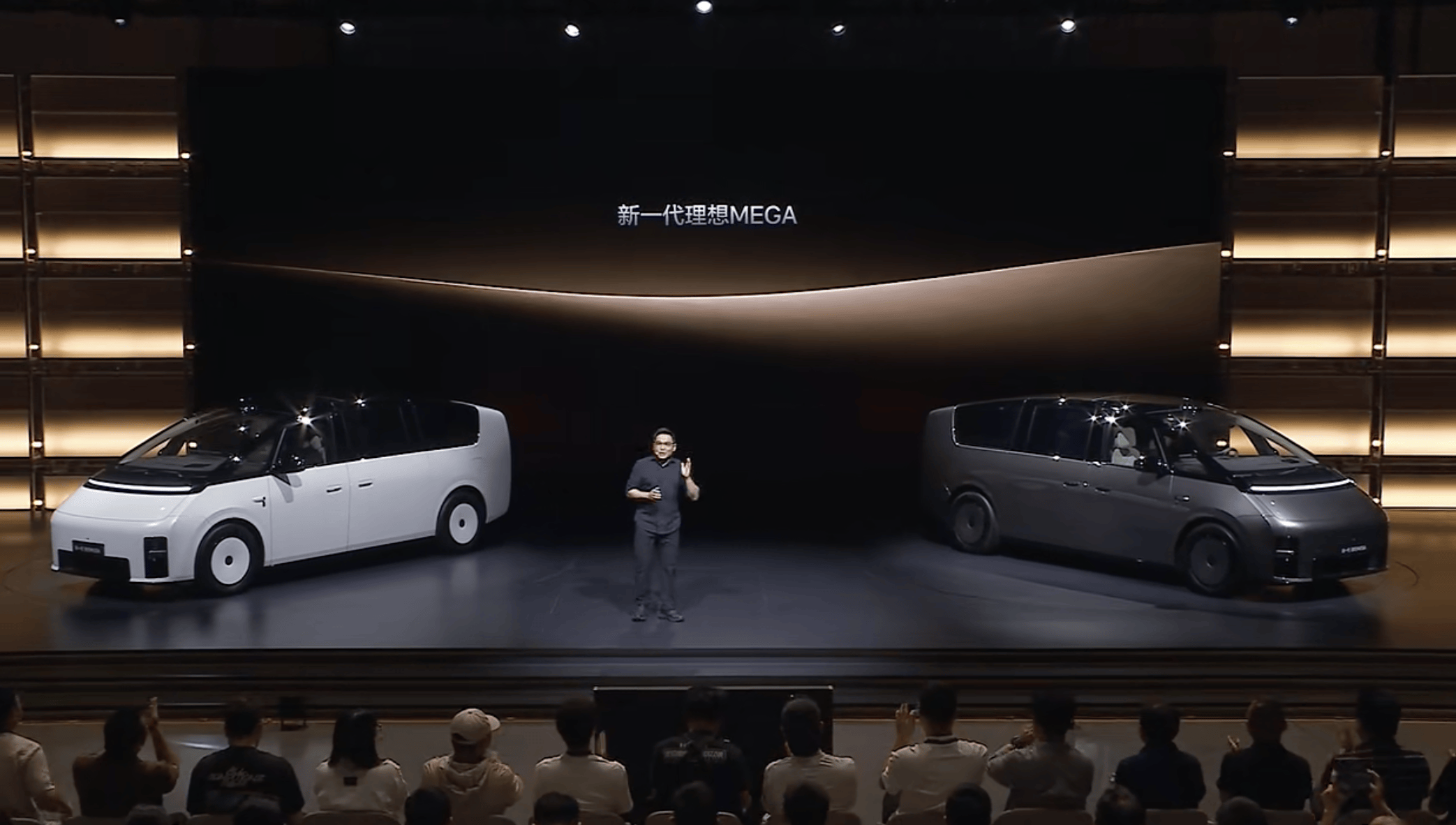
Ideally, it still adheres to the "single main configuration conquering the world" approach, and has only launched one MEGA Home version, which started delivery this week, with a price cut of 50,000 yuan compared to the previous generation.
Two years ago, the first-generation MEGA was launched at a price of 559,800 yuan, which was not only the ideal's first pure electric model, but also its first MPV. After experiencing fluctuations in the initial stage of its launch, and then to 2025, when MEGA Home relied on its rotating zero-gravity seats to boost sales again.
And now, after taking a hit, MEGA has been almost completely rebuilt. Li Xiang has even given it a greater mission ahead of time:
The MPV market is at a turning point for Nokia and iPhone.
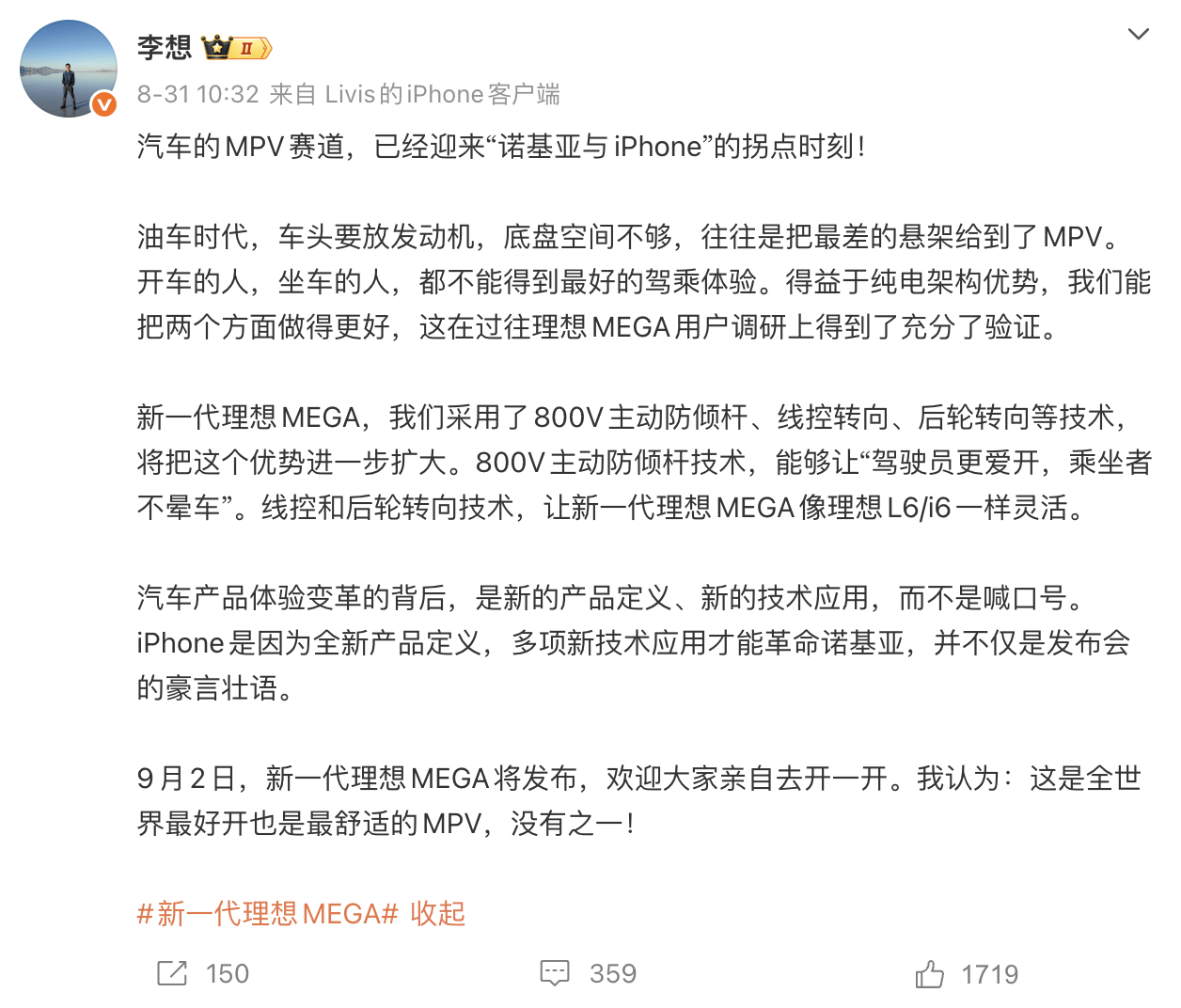
Nubia Red Magic MEGA Upgrades Focus on Intelligence and Chassis
A large MPV with a length of over 5.3 meters, space and size are actually two sides of the same coin.
The MEGA relies on its large size to achieve a three-row layout, but its basement turnaround, narrow road turns, and body posture in continuous corners are also more difficult to handle.
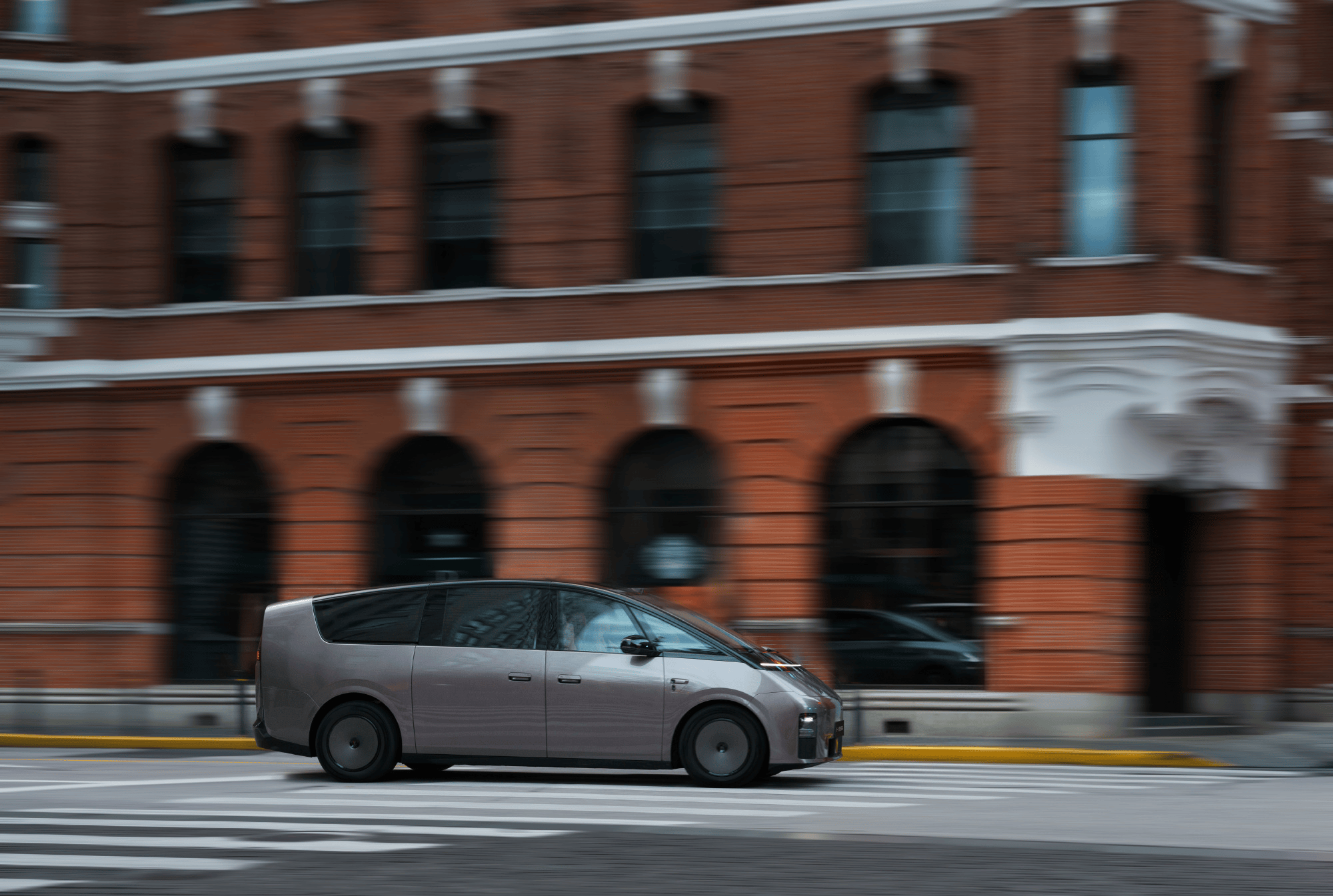
The new-generation MEGA is equipped with features including wire-controlled steering and rear-wheel steering.
After redesigning the rear axle, the MEGA's turning radius has been shortened from 6.2 meters to 5.5 meters, reaching the same level as the ideal i6.
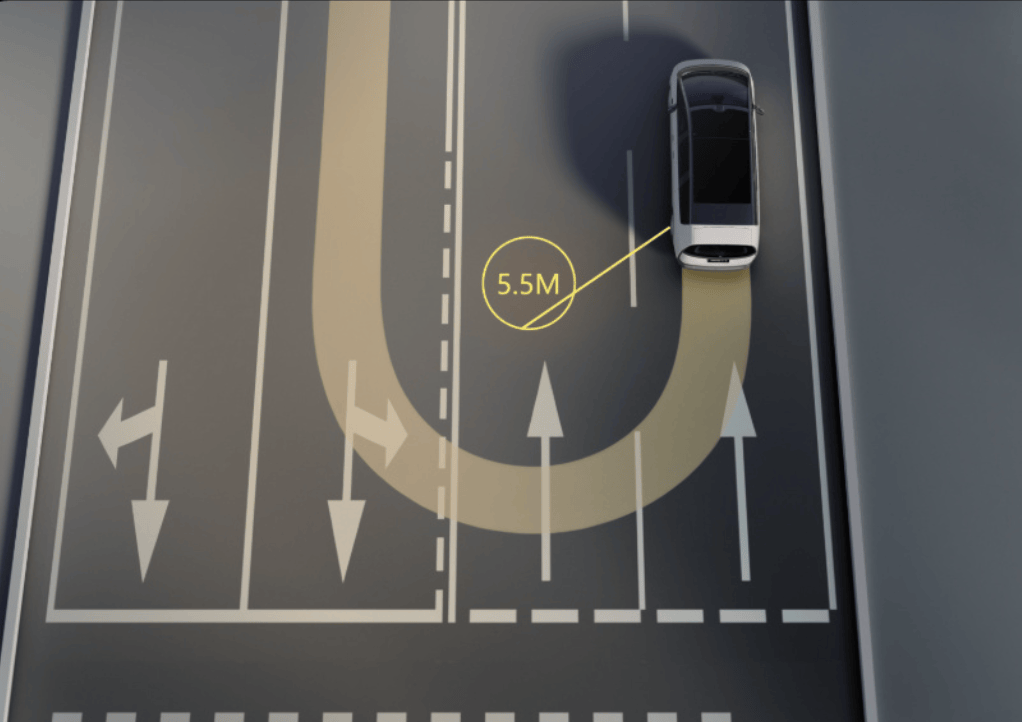
The rear-wheel steering is responsible for reducing the space required for the vehicle to turn, while the wire-controlled steering can adjust the steering gear ratio according to the vehicle speed. When entering a garage or making a U-turn at low speed, the driver no longer needs to frequently change hands.
The bigger technological change comes from the suspension. The new car is equipped with an 800V Active Anti-Roll Magic Carpet Chassis, comprising dual-chamber air springs, dual-valve CDC dampers, and an 800V active anti-roll bar.
The response time of the active anti-tilt rod is 30ms.
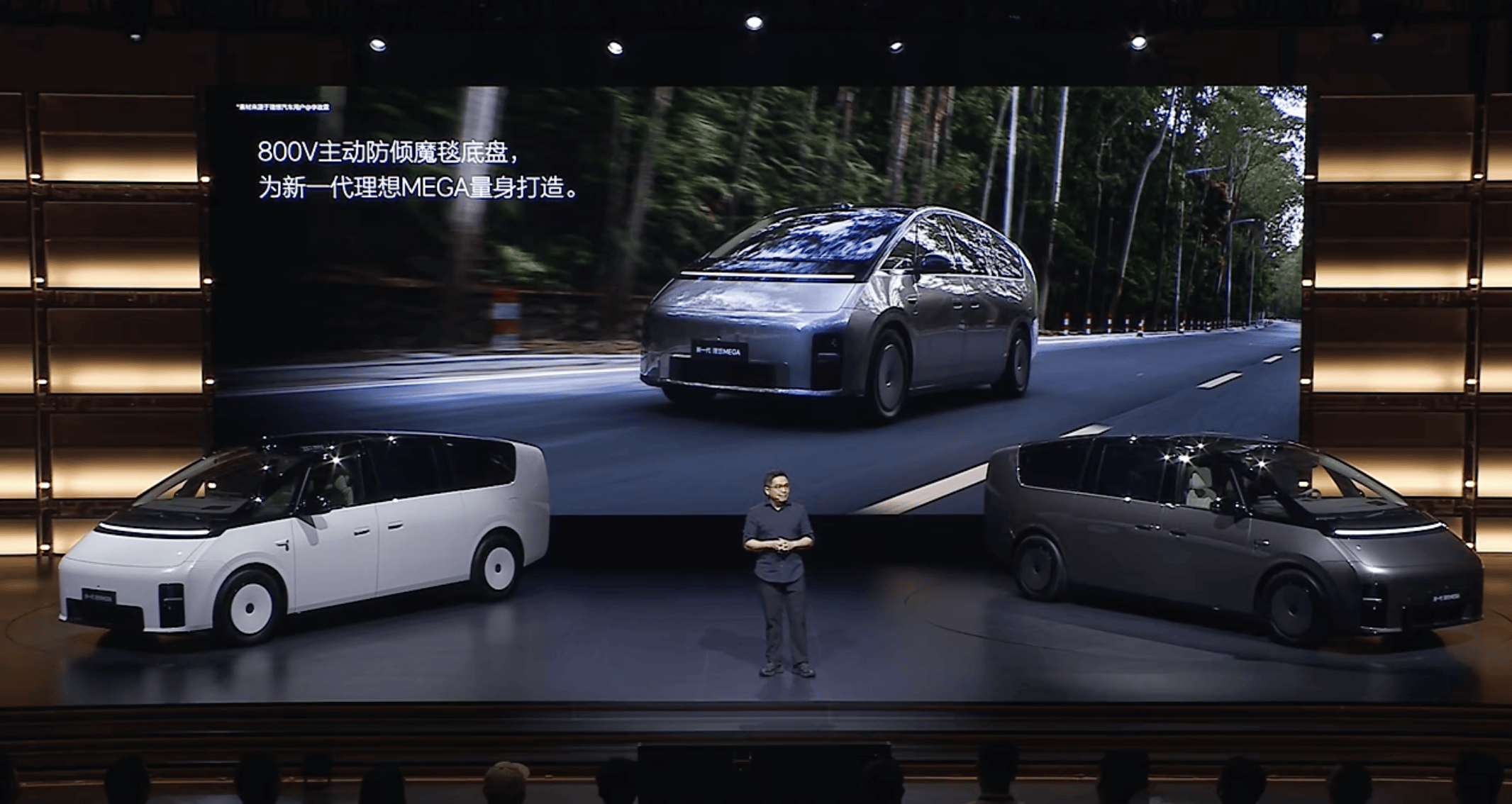
In scenarios such as turning and continuous lane changes, the system can actively apply torque to control the left and right body posture, reducing tilt and rebound in continuous curves.
For large MPVs, this improvement is related to both driving and riding experiences.
Because MPVs have taller bodies and greater weight, second- and third-row passengers sit farther from the vehicle's center of motion, making yaw and roll from continuous steering more perceptible in the rear.
The goal set by Li Auto for the new MEGA is to maintain the original comfort while further refining the vehicle's dynamics.
At the launch event, Li Auto showcased the new MEGA completing a high-speed emergency lane change at 108km/h in accordance with the ISO 3888-1 standard, and further conducted a limit lane change test at 120km/h.
This type of test mainly reflects the vehicle's body control capability under rapid lateral load changes, and cannot directly replace daily road safety performance, but it can also reveal the attitude changes brought about by the active anti-roll system.
Interestingly, this active anti-tilt system is also used to solve another MPV scenario.
After the new MEGA's sliding door is opened, the vehicle body can actively lower itself towards the door side within 1.5 seconds, with the sill dropping by 3cm, while the second-row seats rotate outward by 45°; after the door is closed, the vehicle body returns to a level position.
Li Xiang has named this feature "Elephant Welcome".
It can be seen that the most core upgrade direction of this round of chassis upgrade is to make the large MPV easier to drive and more stable to ride in.
This is also a more obvious change for the new MEGA compared to the previous two product updates.
The first-generation MEGA in 2024 established itself with pure electric power, 5C supercharging, and ample space. The 2025 MEGA Home reorganized the second and third rows into a family living room. With this generation, Li Xiang has begun allocating more resources towards the dynamic experience of large MPVs.
Meanwhile, in terms of intelligent driving, the new generation of MEGA has also completed a round of hardware upgrades —
The entire lineup comes standard with the Dual-Mach Intelligent Suite, which includes two ideal self-developed Mach M100 chips, 4 laser radars, and a three-color star ring light.
Compared to the previous generation, which mainly used a front-mounted lidar, the new vehicle has added side and rear lidar, further expanding its perception coverage. The computing platform has also started using the self-developed Ideal M100 chip.
The recently launched Mahle VLA 2.0 by Li Xiang has also been installed, and in actual testing, driving efficiency has been significantly improved in scenarios such as quick starts at green lights, road detours, and finding passable spaces.
The cabin has also been upgraded simultaneously, with the new car equipped with the Qualcomm 8797 cabin chip.
The front features a 29-inch 6K OLED panoramic screen, while the rear has a 21-inch 4K OLED mobile screen.
The rear screen can move along the roof position, mainly considering that the MEGA has a larger longitudinal space in the second row, and after the screen is fixed, the touch control is not convenient.
In other words, Li Auto's latest generation of intelligent driving software and hardware systems have all been integrated into this flagship MPV.
In addition to the upgrades to the chassis and intelligent features, the remaining upgrades to the new MEGA are also centered around MEGA Home.
Turning Your Car into a Living Room
From the outside, the MEGA has not changed its existing basic outline, with a length, width, and height of 5355/1965/1850mm and a wheelbase of 3300mm, with the vehicle length increased by only 5mm.
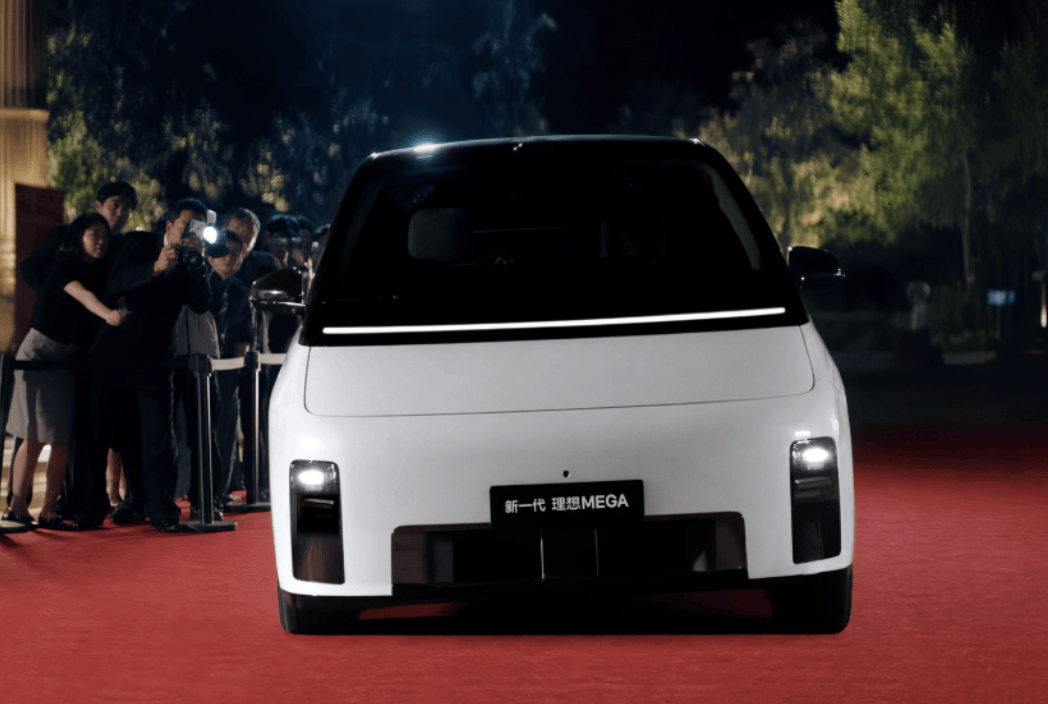
The drag coefficient remains at 0.215, with a reduced front face and partially opened air intakes, and the addition of dark gray chrome trim. The ADB matrix headlights have a 40% increase in brightness; the rear window has been enlarged, and some of the body lines have been adjusted.
Notably, the "Fei Die Lun Gu" offers three color options:
The in-car space layout has not undergone significant changes, with the 2025 edition retaining the rotating zero-gravity seats, and the second row still able to rotate 180° to face the third row, transforming the traditional three-row MPV into a face-to-face living room.
What's different is that the second-row rotating zero-gravity seats have added a suspended seat cushion, with the middle soft layer and the two side support areas separated, and three soft cushions, including a headrest, lumbar support, and leg rest, have been added, with the headrest and leg rest supporting heating.
The front row is equipped with dual zero-gravity seats for the first time, and the third row adds ventilation. As a result, the seats in the first, second, and third rows all support ventilation and heating.
The heated area will also be extended to the door handle, central armrest, and second-row seat armrest, with a total of 31 heated areas throughout the vehicle.
The table setup has also been readjusted, with the rear cabin's combination table able to be formed into a large table from smaller table boards, allowing for switching between a small coffee table and a large dining table.
The second row is equipped with two electrically adjustable trays that can adapt to the angle of the front row's backrest and also retain an anti-pinch design.
The roof features a newly added HomeLight living room main light, consisting of 396 LEDs with a color temperature of 3500K, and the middle area is also equipped with a starry atmosphere light.
The vehicle features an additional longitudinal sunroof on either side of the main lamp, plus a front-row sunroof, totaling three independent sunroofs and three independent electric sunshades. The second-row side windows also come with electric sunshades, bringing the total to five.
Power and energy replenishment are also largely based on the original plan.
The new MEGA comes standard with dual electric motors and four-wheel drive, as well as a 108kWh ternary lithium 5C supercharging battery, with a CLTC range of 710km. The supplementary power data provided by Li Auto remains the same, with 10 minutes of charging increasing the range by 500km.
Finally, there is the price.
The new generation of MEGA has cancelled the previous multi-version configuration, and only retained one version, MEGA Home, priced at 509,800 yuan. The price is 50,000 yuan lower than the previous generation of MEGA Home.
Li Xiang also revealed a small surprise, by the end of this year, MEGA will venture out of mainland China for the first time, with the right-hand drive version to be launched sequentially in markets including Hong Kong, Macau, Singapore, and Thailand.
It can be said that MEGA has become more sincere than it was two years ago, with "more for the same price". After all, the current MPV market is also very different from what it used to be.
MEGA Relaunches, Ideal Takes New Position
MEGA may be the product in the ideal series that has undergone the most significant changes.
When it was launched in March 2024, it undertook multiple tasks: Li Auto's first pure electric vehicle, its first MPV, and also the flagship model with the highest price at that time.
CEO Li Xiang once expected MEGA to become the next big hit for Ideal. In fact, Ideal even proposed that MEGA would challenge the sales landscape of the above 500,000 yuan automotive market.
Reality, however, turned out to be almost the polar opposite of expectations. After selling 3,229 units in its first month on the market, MEGA's sales quickly began to slide, dropping to 1,145 units in April and remaining below 1,000 units for most months since.
Li Xiang quickly reviewed the matter, stating in an internal letter later widely cited that the company had misjudged the stage at which MEGA was.
The company misjudged the pace of its pure electric strategy by treating the business validation period of MEGA from 0 to 1 as a high-speed development period from 1 to 10.
Ideal subsequently slowed down the sales pace of MEGA, concentrating resources on high-end pure electric vehicles in core cities where acceptance is higher.
The real turning point came in 2025.
After the launch of MEGA Home, Li Xiang discovered that the acceptance of 180° rotating chairs and living room space by household users was significantly higher than expected.
In May 2025, Li Xiang publicly stated that MEGA Home order volumes significantly exceeded the original plan, and based on the order situation at the time, the stable monthly delivery volume of MEGA is expected to reach 2,500 to 3,000 units.
According to the information provided at the launch event, MEGA subsequently became the sales champion for MPVs priced over 500,000 yuan in 2025, with a product NPS of 81.8 points.
Later sales basically confirmed this judgment.
MEGA sold 2,304 vehicles in June 2025, 2,816 in July, 3,121 in August, and reached 3,277 in September. The cumulative annual sales totaled approximately 18,500 vehicles, representing a growth of over 70% compared to 2024. This indicates that MEGA later found a relatively stable group of high-end family users.
However, by 2026, the competitive environment for high-end MPVs has undergone significant changes.
In July, MEGA's wholesale sales volume was 336 units, with a cumulative total of 3,179 units from January to July.
Meanwhile, the new energy MPV market has become suddenly crowded. According to the narrow-definition passenger car wholesale data from the China Association of Automobile Manufacturers:
The recently launched Zhijia V9 has already reached 10,101 units, with Weima High Mountain PHEV at 5,815 units, Tengshi D9 PHEV at 5,441 units, Lantu Dream House PHEV at 4,855 units, and Jikrypton 009 also at 2,683 units.
Typically, a model changeover is accompanied by a contraction in sales of the old model, so 336 units do not fully represent MEGA's current stable demand, but they do reveal some trends.
When MEGA entered the market in 2024, the high-end new energy MPV was still a relatively limited market.
Today, the 300,000 to 500,000 yuan range has gathered more new energy products, and the dimensions of competition have clearly increased:
Large spaces and luxurious configurations are gradually becoming basic capabilities, with plug-in hybrids and extended-range solutions addressing energy supplementation, while the Huawei ecosystem is further advancing auxiliary driving and cabin capabilities in MPVs, and features such as rear-wheel steering and fully active chassis are also being rapidly introduced.
Therefore, the direction of this new round of MEGA adjustments is very clear:
On one hand, the existing family space continues to be retained, with new investments mainly focused on the chassis and intelligent driving; on the other hand, the price has been reduced from 559,800 yuan to 509,800 yuan.
And what's changing is not just the external environment, but also the role that MEGA plays within Ideal.
In 2024, MEGA will almost single-handedly undertake the task of verifying the feasibility of a pure electric lineup for Li Auto.
Li now has a full lineup of pure electric products, with the Li Auto i8 and i6 already on the market before the new MEGA is released, and the flagship pure electric SUV Li Auto i9 will be launched in mid-September.
So, MEGA's current positioning is more akin to a technology flagship, concentrating Ideal's new technologies in pure electric, high-voltage charging, chassis and intelligent driving, and then spreading them to subsequent models.
As for why they still insist on making MPVs, Li Xiang himself gave his judgment before the launch event:
Fuel-based MPVs are restricted by engine and traditional mechanical structures, with limited space for chassis layout. The pure electric architecture releases new structural space, and with the addition of active anti-tilting, wire-controlled steering, and rear-wheel steering, it can readdress the long-standing driving and riding contradictions of MPVs.
He therefore believes that the MPV track has reached a turning point similar to that of Nokia and the iPhone.
This time, however, MEGA is also facing a multitude of competitors.
When roads converge, does product competitiveness prevail?