
A Lackluster Mid-Year Report with Hidden Signals
On August 27, 2026, at noon, Mishi Group released its mid-term earnings report, with revenue of 15.216 billion yuan, up 2.3% year-over-year, and a net profit of 2.319 billion yuan, down 14.7% year-over-year; I double-checked these two sets of numbers several times to confirm I wasn't mistaken.
In comparison to the same period a year ago, the decline is more apparent, as in the first half of 2025, the company's revenue growth rate was 39.3% and its profit growth rate was 44.1%, but after twelve months, one figure plummeted to 2.3% and the other turned into a decline of 14.7%, which is also the first time Mishi Group has reported negative profit growth in its half-year report since 2022.
The capital market reacted immediately, with the stock plummeting 8.37% to close at HK$211.6 on August 27, and falling another 7.11% the next day, before closing at HK$206.4 on September 3, with a total market capitalization of HK$79.1 billion.
The company was listed on the Hong Kong Stock Exchange on March 3, 2025, with an issue price of HK$202.5, and HK$1.82 trillion in funds were frozen during the subscription period, making it the king of frozen funds in the Hong Kong stock market at the time. I recall that it closed at HK$290 on the first day, and the stock price doubled at one point after listing, reaching its highest market value in June 2025.
From that high point to today, it has shrunk by 66%, and from the issue price, the gains made from HK$206.4 to HK$202.5 over a year and a half have almost all been given back.
Management explained during the afternoon's earnings meeting that the takeout wars in the first half of 2025 pushed the average store sales to an unprecedented high, resulting in a high base, and the decline in average store sales in 2026 is due to cyclical factors. At the same time, the company has proactively initiated a new round of investment, increasing strategic investments in three areas: supply chain, store operations, and brand IP, all centered around safety and quality. The group's focus has shifted from growth and expansion to safety and quality.
I will put this statement here as is for now, without rushing to make a judgment.
Let me first lay out a few more sets of numbers.
In addition, five other listed tea drink companies have also released their mid-year reports.
Gu Ming's revenue was 7.47 billion yuan, up 31.9% year-over-year.
Shanghai Auntie reported 2.589 billion yuan, up 42.4% year-over-year;
Cha Bai Dao was 2.655 billion yuan, up 6.2% year-over-year;
Based on the first two quarterly earnings reports, BaWang Tea's net income for the first half of the year is estimated to be around 6.961 billion yuan, representing a year-over-year increase of approximately 6%.
Nayuki's Tea reported 1.892 billion yuan, down 13.1% year-over-year.
Among the six companies, only Nayuki saw a decline in revenue, while Manner's growth rate was the second-lowest at 2.3%.
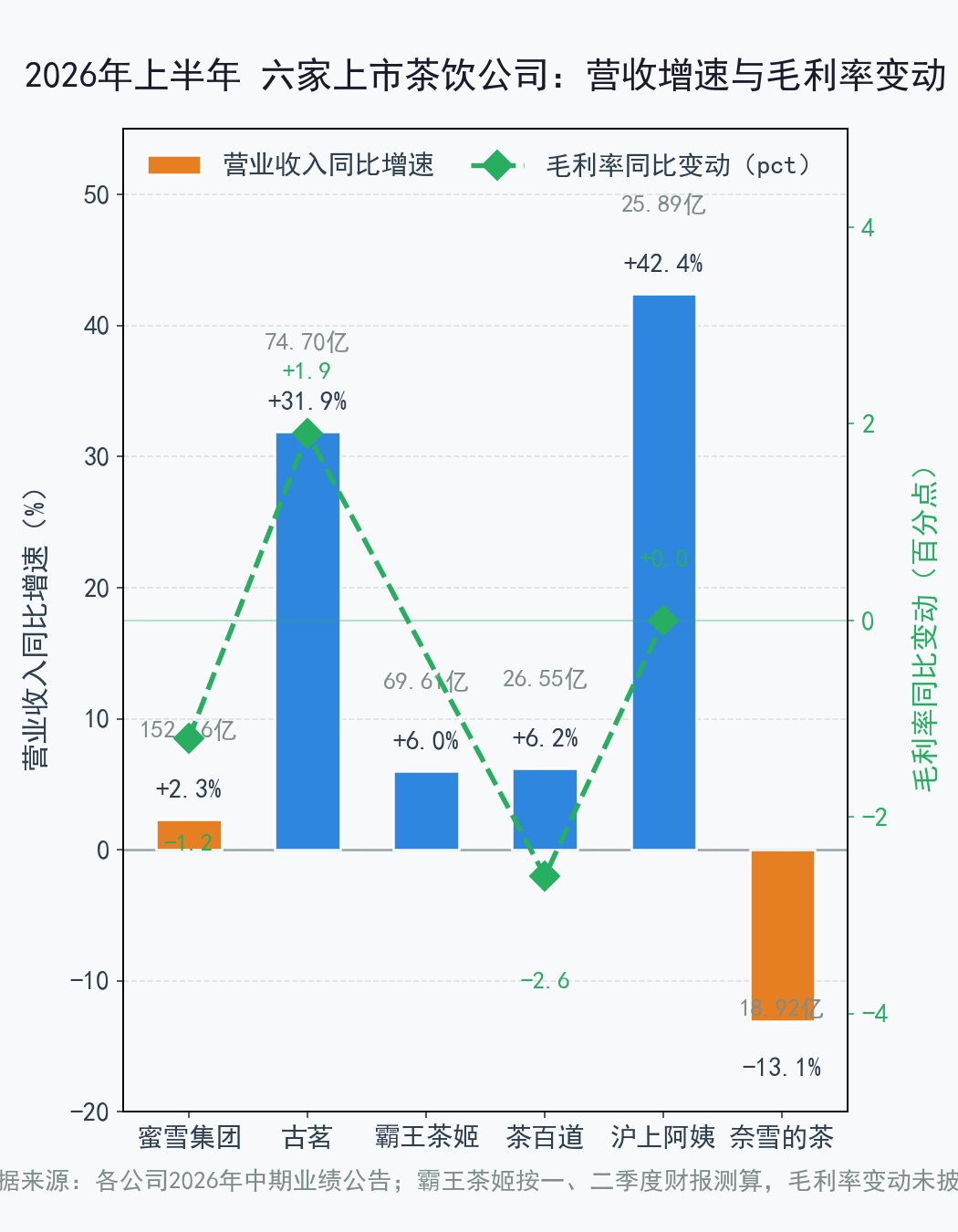
Figure 1: Revenue growth and gross margin changes of six listed tea beverage companies in H1 2026 (Source: Company interim results announcements)
The gross margin line is more interesting.
Gujing's gross margin rose to 33.4% from 31.5% in the same period last year, an increase of 1.9 percentage points, which the company attributed to improvements brought about by enhanced supply chain efficiency.
Auntie Shanghai's 31.6% was essentially flat from the same period last year.
Miyue's share dropped from 31.6% to 30.4%, a decline of 1.2 percentage points. Chaibaidu's decline was more significant, falling from 32.6% to 30.0%, although the company provided specific reasons, including the vigorous development of its freshly brewed coffee business and proactive concessions to franchisees.
Similarly, with the ebb of food delivery subsidies, over the past half year, Gu Ming's gross margin has been increasing, while Mishi Xue's gross margin has been decreasing, why is that?
A year and a half ago, the capital market was willing to give it a high valuation, and what it was actually buying was a certainty - 64,000 stores, nearly 30,000 franchisees, and the most extensive supply chain in China's freshly made beverage industry, a machine that seemed would never stop, and I thought so at the time too.
This mid-year report means the machine is still running, but the speed has slowed down.
Blaming subsidy cuts won't cut it
Let's do the math. Among several listed tea drink companies, Mixue's average customer transaction value is the lowest, with its main products priced between 6 yuan and 10 yuan. Based on this price range, I calculated the impact of subsidies, and found that for food delivery platforms, the previous round of subsidies targeted price ranges of over 10 yuan, with discounts of a few yuan per cup. If the price is discounted to below 10 yuan, there is hardly any room left for further reduction.
No matter how intense the price war is, once the price drops to this level, it's nothing but a dud.
So the explanation that subsidy retreat forms a high base, theoretically, should make companies like Mishi, which operate in this price range, one of the least affected, but in reality, it is one of the most severely impacted.
Looking at the profit margin, Gu Ming's profit margin increased by 1.9 percentage points, while Hu Shang Ayi remained largely flat. Both companies experienced the same round of food delivery wars and subsequent decline. If the withdrawal of subsidies was the main variable, it should be an industry-wide variable, not just targeting Ming Xi alone, but the numbers don't seem to be going in that direction.
Cha Bai Dao's gross margin did indeed decline by 2.6 percentage points, but the reason is clearly stated - it is due to the development of its freshly brewed coffee business, which involves giving concessions to franchisees, a deliberate expenditure. Mishi's explanation is that it is a strategic investment to enhance product quality centered around its authentic and pure product concept, also a deliberate expenditure.
As both companies claim to be proactively spending money, what proportion does the external reason of subsidy withdrawal actually account for?
During the earnings conference, management revealed a harsh truth: the average operating revenue of main brand stores has declined by double digits. Two words in this statement are worth noting: "main brand" and "double digits".
The problem does not lie on the demand side.
The real variable is on the supply side, in the stores.
As of June 30, 2026, Mishi Group had a total of 63,987 global stores, up 20.7% year-over-year, with 59,609 in mainland China, up 23.5% year-over-year, while revenue grew only 2.3% over the same period.
Store count rose 20% while revenue increased just 2.3%, leaving a gap of roughly 17 percentage points that can only be explained by weaker performance at individual locations.
Based on the average number of stores at the beginning and end of the period, each directly operated store purchased approximately 239,000 yuan worth of goods and equipment from headquarters in the first half of this year. Using the same method, I calculated the numbers for the past three years: in the first half of 2024, the amount was 257,000 yuan; in the first half of 2025, it rose to 291,000 yuan; and this year, it dropped back to 239,000 yuan, representing a year-over-year decline of 17.9%.
This figure is more telling than the revenue growth rate, as the store network is still expanding, yet the procurement volume of each store has retreated to the level of two years ago.
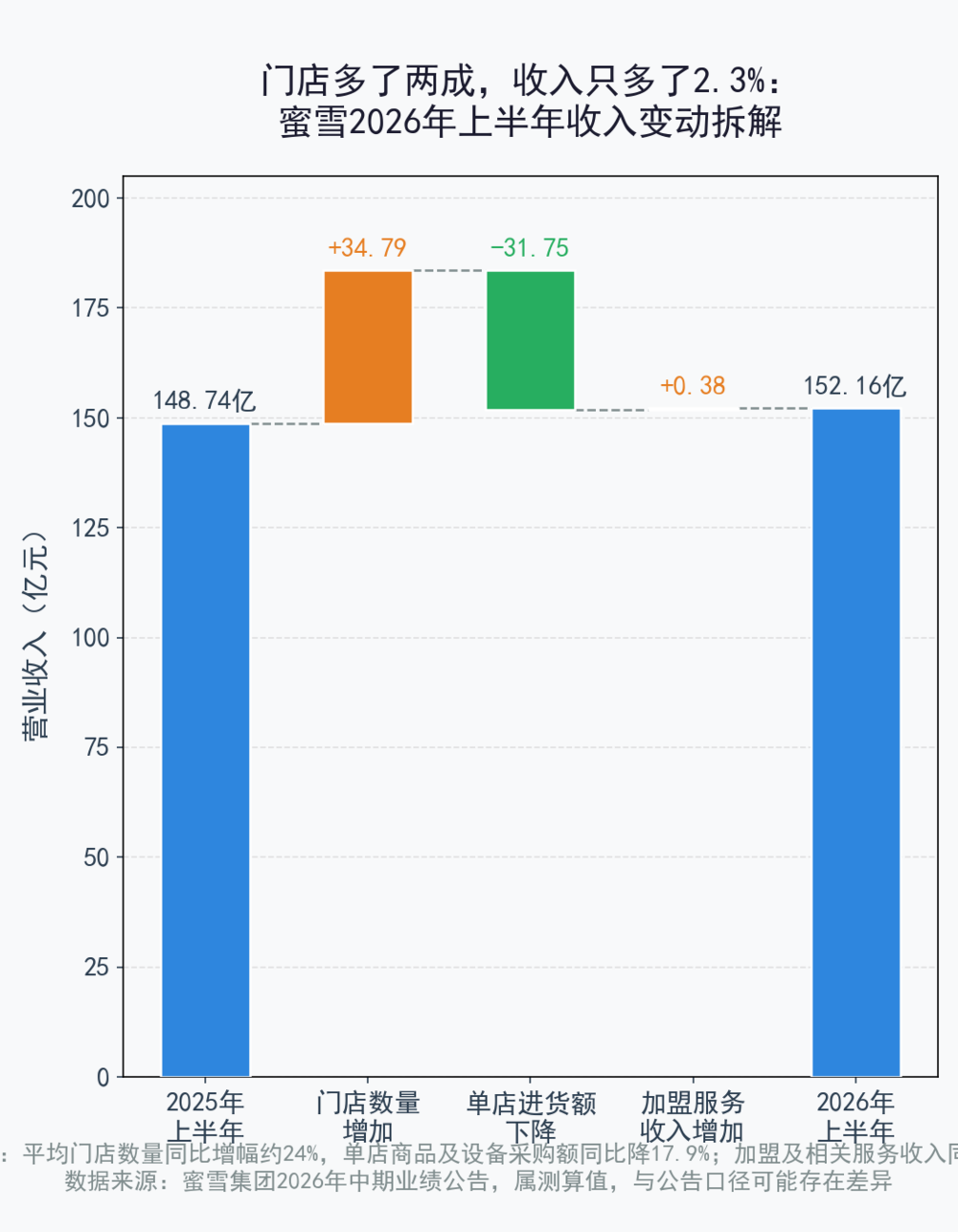
Figure 2: Breakdown of Mishi's revenue changes in the first half of 2026 (Source: Company's mid-year performance announcement, calculated values)
Incidentally, the average number of franchised stores increased by about 24% year-over-year, with the number of franchisees approaching 30,000, representing a 27.2% year-over-year growth, which is faster than the growth in stores. The average number of stores per franchisee decreased from 2.26 in the same period last year to 2.15.
The number of stores is increasing, the number of bosses is increasing, but the number of stores each person has is decreasing.
This doesn't seem like demand has suddenly disappeared, but rather that opening a store itself is no longer as profitable as it used to be.
The withdrawal of subsidies is just the tip of the iceberg, the underlying issue is that the increasing density of stores means each store gets a smaller and smaller share of business.
Nubia's store closures exceed 2,000, a dire figure in latest financial report
Looking at store openings, in the first half of 2026, Mishi Group opened 5,455 new franchise stores and closed 1,289, resulting in a net increase of 4,166 stores. In the same period last year, the company opened 7,721 new stores and closed 1,187, with a net increase of 6,534 stores.
The number of new stores decreased by 2,266 year-over-year, a decline of 29.3%.
On the closures side, the 1,289 shuttered stores were only 102 more than the same period last year, with the closure ratio based on the initial number of stores at about 2.2%, which is actually lower than the 2.6% in the same period last year.
This detail is quite crucial. If franchisees were largely unable to make a profit and were closing en masse, the closure rate should be rising. However, the closure rate is actually decreasing, and the number of new store openings is shrinking significantly, which suggests that the contraction is mainly occurring at the entry point.
The number of new store openings has decreased by nearly 30%, but it is unclear whether this is due to a lack of interest from potential partners or the company's own efforts to tighten its operations.
Management stated the latter. At the performance meeting, it was explicitly stated that the proactive slowdown in the domestic store opening pace is not a temporary adjustment, but a development direction that the company has actively chosen and will adhere to in the long term. The group will focus more resources and energy on the operation and support of existing stores, as well as improving their efficiency.
I believe part of this statement.
When the data on the hierarchical structure of cities is laid out, another part becomes clear.
In the first half of the year, the number of new stores in third-tier and below cities increased by 2,471, which is the main source of the group's store growth, with new store growth in first-tier and second-tier cities both lower than the same period last year. The total number of stores in third-tier and below cities reached 34,590, accounting for 58% of the total number of stores in mainland China, an increase of 0.4 percentage points from the same period last year.
What truly illustrates the issue is another contrast.
In 2025, the number of net additions in third-tier and below cities reached 8,261.
In the first half of this year, there were only 2,471.
Miyue's core business is sinking in the market, which is where it has been most comfortable in recent years. I recall discussing this industry with people a few years ago, and the topic was always how many stores it could open. Now, the space for this core business to grow is narrowing, and the denser the stores, the more each new store cuts into the business of existing ones.
These numbers speak for themselves, no guessing needed.
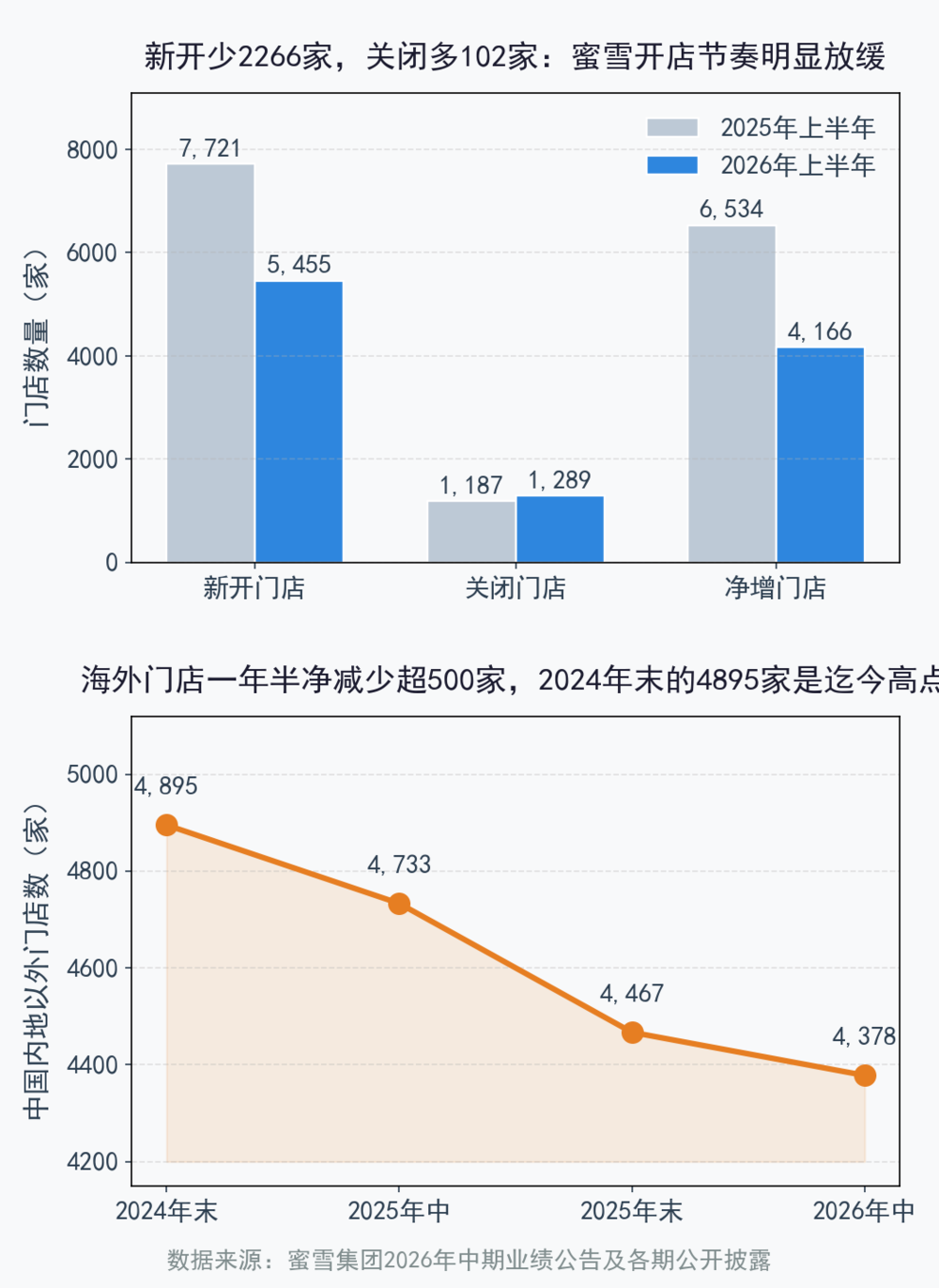
Figure 3: Manner's pace of new store openings slows down and overseas store closures (Source: Company's interim performance announcement and publicly disclosed information)
Changes overseas are more direct.
The number of stores outside the Chinese mainland reached a high of 4,895 by the end of 2024, decreased to 4,467 by the end of 2025, and further decreased to 4,378 by the end of June 2026, with a net decrease of over 500 stores in a year and a half.
The number of stores in Indonesia and Vietnam continued to decrease over the past half year as the existing stores in these two countries are still being adjusted. Meanwhile, Mixue has expanded into new countries, with its first store in South America opening in Mexico City in February, its first store in Brazil opening in São Paulo in April, and three stores simultaneously opening in Kyrgyzstan in June.
Some are being closed while others are being opened, resulting in a net negative balance.
Management stated that for overseas operations, the Southeast Asian region aims for long-term, high-quality operations, proactively promoting systemic adjustments, and overseas businesses will adhere to the direction of high-quality development, without rapid and blind expansion of stores.
Viewing both domestic and overseas markets together, this statement is coherent, according to management's tone, and for now, they do not plan to do so.
But I still want to put another number here.
The number of franchisees increased by 27.2% year-over-year, while the total number of stores grew by 20.7% year-over-year. As franchisees expanded faster than stores, the average number of stores per franchisee decreased from 2.26 in the same period last year to 2.15.
The willingness of old franchisees to open new stores is declining, and I attach importance to this change.
This metric better reflects the true judgment of first-tier cities on this business than the total number of stores opened.
Single-store revenue plummets by 47,000, supply chain scale effect reverses for the first time
I've dissected Mishi's business model more than once, and what's truly purchasing from headquarters are tens of thousands of franchisees, with those footing the bill standing on the side of the franchisees. Revenue from product and equipment sales was 147.98 billion yuan, accounting for 97.3% of total revenue, while franchise and related service revenue was 4.18 billion yuan, accounting for 2.7%.
The way to make money is by selling ingredients, packaging materials, and equipment to tens of thousands of stores.
This system has a flywheel.
The more stores that are opened, the larger the procurement scale becomes;
The larger the procurement scale, the stronger the bargaining power over upstream suppliers, the higher the capacity utilization rate of self-built production bases, and the lower the bill of materials (BOM) cost per cup. The lower the cost, the more competitive the supply price offered to franchisees, and the more willing they are to open another store.
As the number of new stores increases, the scale of procurement is also being taken to the next level.
The excessive growth of Mishi in recent years is the result of this flywheel accelerating.
Flywheel has a premise that single-store revenue cannot collapse.
Now that this premise has been relaxed, where is the problem?
The previous premise has relaxed. The procurement amount from a single store to the headquarters in the first half of the year was 257,000 yuan in the first half of 2024, increased to 291,000 yuan in the first half of 2025, and then dropped to 239,000 yuan in the first half of 2026. Calculated by commodity revenue, it decreased by 47,000 yuan year-over-year. Including equipment, the decline was 17.9%.
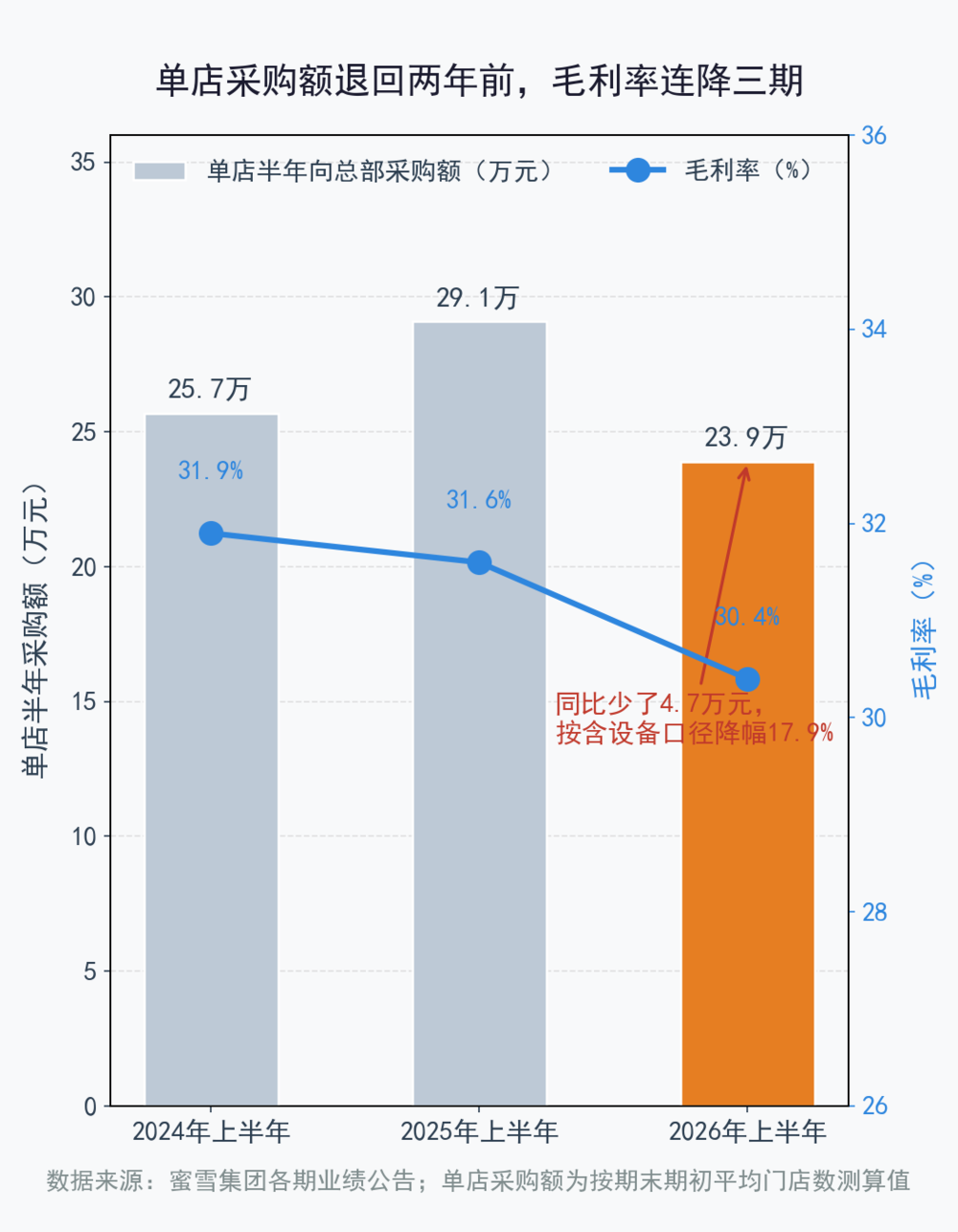
Figure 4: Changes in half-year procurement amount and gross margin of Mishi single stores (Source: Company's quarterly performance announcements, single-store data are calculated values)
The total number of stores is still increasing, with a 20% rise, but the procurement amount per store has fallen back to levels seen two years ago, and for the first time, the flywheel has started to reverse, with scale continuing to grow, but the benefits of scale no longer flowing to individual stores.
Changes on the cost side can better illustrate the issue.
Selling and distribution expenses were 1.123 billion yuan, up 209 million yuan year-over-year, representing a 22.9% increase.
Administrative expenses were 610 million yuan, up 39.4% year-over-year.
Revenue increased by 2.3%, sales expenses rose by 22.9%, and administrative expenditures grew by 39.4%. The three numbers, when considered together, point to the same issue.
Management said the funds were invested in three areas: supply chain, store operations, and brand IP, which I acknowledge as worthwhile investments.
The sixth and latest production base was put into operation in Yunnan in May this year, with intelligent dispensing machines covering more than 18,000 stores, and a distribution network of 31 domestic warehouses covering 33 provincial-level administrative regions, all of which are the result of significant investment.
However, there is a time gap between investment and returns.
This year, 1.12 billion yuan in sales expenses were spent, but it didn't bring in more incremental growth, which is the most disappointing part.
For a light-asset model like Mishi Xue, there are only two paths to expand its revenue scale: either increase sales by expanding its SKU capacity or continue to open new stores to broaden its coverage.
There is also movement on the SKU side.
The number of flagship stores has reached 27, and the 2,000-square-meter store in Nanjing that opened on May 29 has become a popular check-in spot in the area. From January to July, the sales of cultural and creative peripheral products increased by nearly 200% year-over-year. The main brand's stores are also piloting freshly ground coffee, with some pilot stores selling over 9,000 cups within 53 days of launch.
However, with a presence in over 60,000 stores, the scale is still too small.
In terms of coverage, the number of new additions in lower-tier cities was calculated earlier, with 2,471 net additions in the first half of the year and 8,261 for the full year of 2025.
Looking at the timeline of gross margin, it was 31.9% in the first half of 2024, 31.6% in the first half of 2025, and 30.4% in the first half of this year, a consecutive decline over three periods.
This line and the single-store procurement amount line are completely consistent in direction.
The scale effect has not disappeared, it still exists.
The cost savings it brings are not enough to offset the decline in single-store revenue.
Luckin Coffee, Xinpi Fengruixiang: Same Script Played Out for the Third Time
After the main brand slowed down, Mishi put its hopes on its secondary brand.
Ruyi Kafe is the first copycat of this business model, with a franchise fee of 127,000 yuan, while the franchise fee disclosed on the Mixue Ice City official website is over 160,000 yuan, neither of which includes decoration costs. During the expansion period, there are also discounts, making the actual gap even larger, with a lower threshold and an existing network of franchisees, resulting in a naturally higher expansion efficiency.
As of July 2026, Luckin Coffee has more than 8,100 stores, with a net increase of 3,775 stores in the past year, representing a growth rate of approximately 45%, which is not slow in the coffee industry.
However, what happened next is more important. On July 15, 2026, Yonghe Dawang issued a letter to its franchise partners, stating that it will open no more than 1,000 new stores in the second half of 2026 and no more than 2,000 for the full year, while also announcing plans to invest 500 million yuan in brand upgrades and store support.
Looking at the pace, it's clear that in the first half of 2026, Yonghe Dawang accumulated over 700 new store openings, with more than 300 openings in January being the peak for the first half of the year, followed by a decline, and the first two months' openings accounting for nearly 65% of the total for the first half of the year.
A young brand that is aggressively expanding its market presence is voluntarily imposing a limit on the number of stores it opens, and I couldn't think of a second explanation, the reason certainly isn't that the market is too good.
There are two more numbers in the financial report that can confirm this.
Franchise service revenue per new store opening was approximately 77,000 yuan, an increase of 28,000 yuan compared to the same period last year;
Single-store equipment sales revenue was approximately 98,000 yuan, an increase of 12,000 yuan year-over-year.
The fact that these two numbers are going up indicates that the batch of stores opened at the beginning of the year were brought in at a loss.
As soon as the franchise incentives were tightened, expansion immediately slowed down.
Most old franchisees won't just open one store, which is where Mishi achieves its highest efficiency, and it also shows that Yonghe's expansion this time relies on existing franchisee networks, and the brand's own appeal has not yet grown.
The track structure is also different from what it was in the past.
According to the 2025 China Coffee Industry Development Report, the number of coffee shops in the country increased by over 40,000 in 2025, reaching a total of 215,000, with a growth rate of 25%. The chain store rate rose from 46% to 53%. By June 2026, the number of coffee and beverage stores tracked by Hongcheng Big Data had reached 284,000, representing a year-on-year increase of 20.1%, with a chain store rate of 47.3%. Although the two institutions have slightly different statistical scopes, the direction is consistent, indicating that this sector is still experiencing rapid expansion.
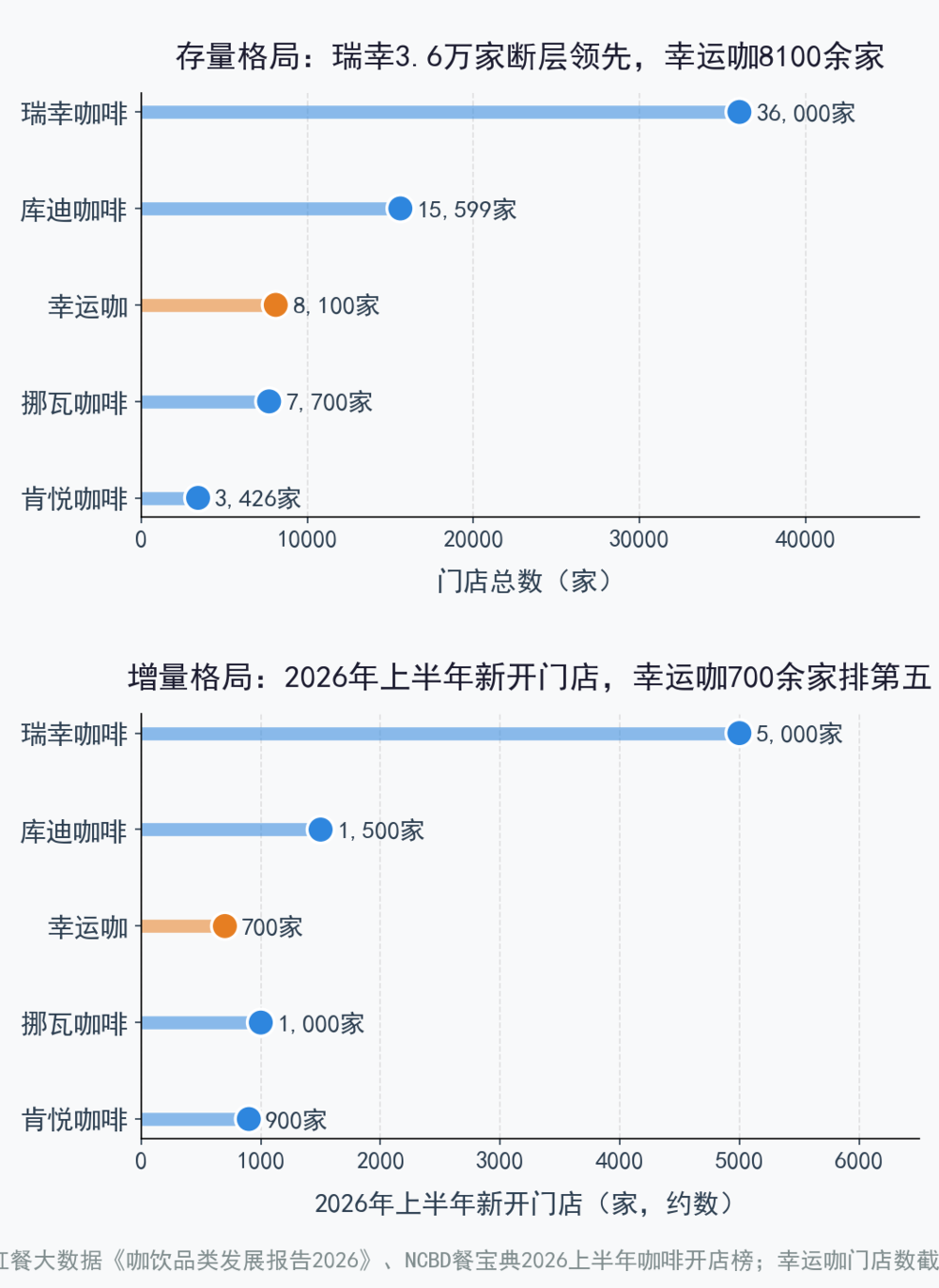
Figure 5: The existing stock and incremental pattern of the freshly brewed coffee track (Source: Red Catering Big Data, NCBD Catering Dictionary)
While expanding, there is also a reshuffle, with statistics showing that in the past year, 53,000 new coffee shops were opened on the coffee track, with a net increase of only 1,065, and the number of newly opened shops and closed shops are almost the same, so is this expansion or a change of blood?
The top positions are largely set, with Ruixing having 36,000 stores, a net increase of 5,262 in the first half of 2026, Kudi with over 15,000 stores, Lucky Coffee with over 8,100 stores, Nova Coffee with over 7,700 stores, and Kenye Coffee with 3,426 stores.
In the store opening rankings for the first half of 2026, Ruixing had over 5,000 stores, Kudi had over 1,500 stores, Nova had over 1,000 stores, Kenjoy had over 900 stores, and Lucky Coffee had over 700 stores.
Ruixing is still expanding at a rate of several dozen stores per day, with prices ranging from 10 yuan to 15 yuan, in close competition with Luckin Coffee.
What's even more troublesome is the two-way penetration.
Veterans of the coffee industry are moving into the tea beverage market, while veterans of the tea beverage industry are moving into coffee.
Gu Ming announced at its partner conference that it will invest an additional 400 million yuan in coffee, aiming to increase the revenue proportion of coffee products from the current 10% to 15% to 20% to 25%. The number of stores covered by Cha Bai Dao's coffee machines has risen from around 200 at the beginning of the year to over 2,700. Mishi Xuecheng's main brand is also piloting freshly ground coffee, with pilot stores selling over 9,000 cups in just 53 days.
The troubles at Ruixing are just as real.
In the second quarter of 2026, same-store sales at Ruixing's self-operated stores decreased by 5.3% year-over-year.
The number of customers making transactions per month increased by 23%, but the output per store is declining.
And so came the third step, acquiring Fresh Beer and Fukuji, applying the same logic to a third category: using existing franchisee networks and supply chain advantages to replicate a Miniso-like model in another category.
In 2025, Mishi Group added 13,344 new stores, with over 6,000 of them coming from the expansion of Xingyun Kafei and the acquisition of Fulu Jia, while the main Mishi brand itself added around 7,000 stores.
The script remains the same, but the stage has changed twice, which is my most direct assessment.
Chinese Companies Have Mastered the Art of Cutting Costs to the Extreme
From start to finish, this semi-annual report gives me the feeling that Mixue is not just a milk tea company.
It is a milk tea company that emerged after taking China's supply chain capabilities to the extreme.
China's freshly made beverage industry has a complete domestic supply system for every upstream link, from tea leaves, fruits, and syrups to packaging materials, ice makers, and intelligent dispensing machines. This system enables the cost of a drink to be reduced to a level that others cannot match, and the deepest moat of Mixue has never been its theme song, but this system.
Chinese companies have mastered this skill, streamlining every possible aspect of a beverage, from raw materials to packaging to equipment.
The problem also lies here.
After costs are squeezed to the limit, growth must shift to a new driver.
In recent years, the engine driving Manner's growth has been the number of its stores.
With more stores, the scale of procurement increases, and costs decrease, making franchisees more willing to open stores, which in turn leads to even more stores.
This cycle has almost never been broken in the past five years.
It has slipped up now, where did it go wrong?
What was broken was the second link in the cycle, with the number of stores continuing to increase, but the amount of business each store received decreasing.
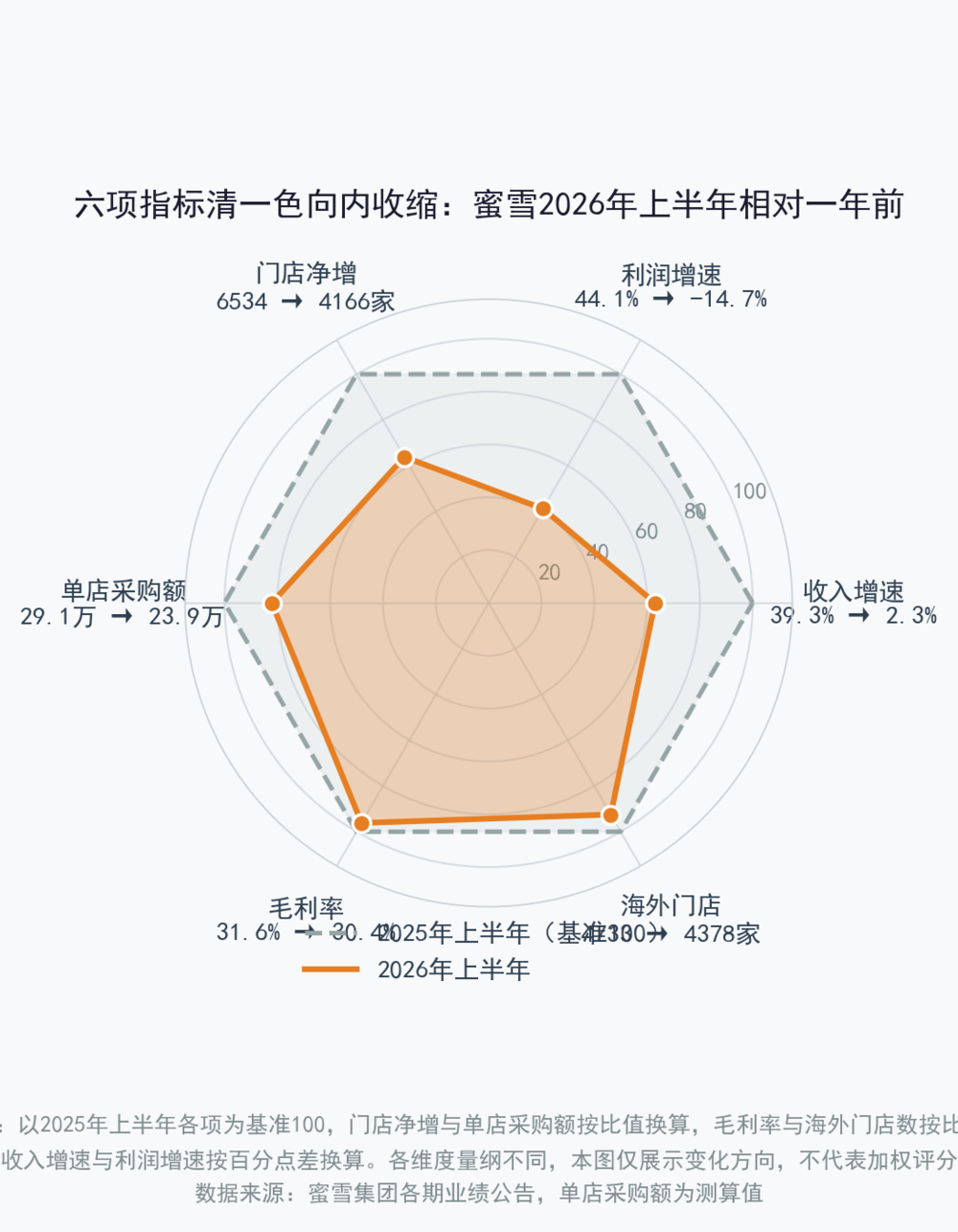
Figure 6: Changes in key metrics for Mishi in the first half of 2026 compared to the same period last year (Source: Company's periodic performance announcements)
One thing needs to be said upfront: Mishi's current foundation remains strong.
64,000 stores, nearly 30,000 franchisees, six major production bases, 31 warehouses covering 33 provincial-level administrative regions, and brand recognition accumulated over more than a decade, these assets are still continuously releasing their energy.
However, under the influence of inertia, boundaries have already become vaguely discernible.
Overseas markets are a prime example. In a year and a half, more than 500 stores have been closed, and the remaining stores in Indonesia and Vietnam are still being adjusted. The same low prices, the same franchise system, and similar products that work in mainland China need to be re-done in Southeast Asia, from site selection to localization.
Simple scale replication is not universally applicable.
At the earnings conference, the statement that they would proactively slow down the pace of new store openings and persist in this approach for the long term, I read it several times. The logic of the statement is sound, the issue lies in the timing.
Joint-venture automakers in China often say this when their market share starts to decline.
The leader of the daily chemicals industry said this after experiencing stagnant growth.
Looking back over the past few decades, the majority of consumer enterprises began to focus on high-quality development after their expansion was limited, rather than when expansion was in full swing.
How many can truly rely on so-called high-quality operations to return to a state of normal growth?
I'm not saying that Mishi can't do it, I'm saying that this statement itself does not constitute evidence.
A year and a half ago, the capital market gave it a high valuation, buying into the idea that this machine would never stop.
The report told the market that the machine was still running, but at a slower speed.
Miyue will next prove whether its 64,000 stores can sell more without opening a large number of new stores.
The number of stores that can still be opened is not that important.
This is more difficult than opening a store.
Risk Alert
Data Source
Mengniu Group (02097.HK) announced its 2026 interim results on August 27, 2026, and held a public briefing to explain its 2026 interim performance.
Gu Ming, Cha Bai Dao, Hu Shang Ayi, and Nayuki's Tea released their mid-2026 performance announcements; Ba Wang Cha Ji released its Q1 and Q2 2026 financial reports.
2025 China Coffee Industry Development Report
Red Data's "2026 Coffee and Beverage Category Development Report", Xinhua Net, August 20, 2026
NCBD's "2026 First-Half Coffee Store Opening Rankings" for August 2026
The official websites of Mixue Ice City and Luckin Coffee have added franchise fee pages.
Hong Kong Stock Exchange market data, closing on September 3, 2026
Reports from China News Service, Huaxia Times, Securities Times, and The Paper in August and September 2026 have highlighted the mid-year performances of various companies.