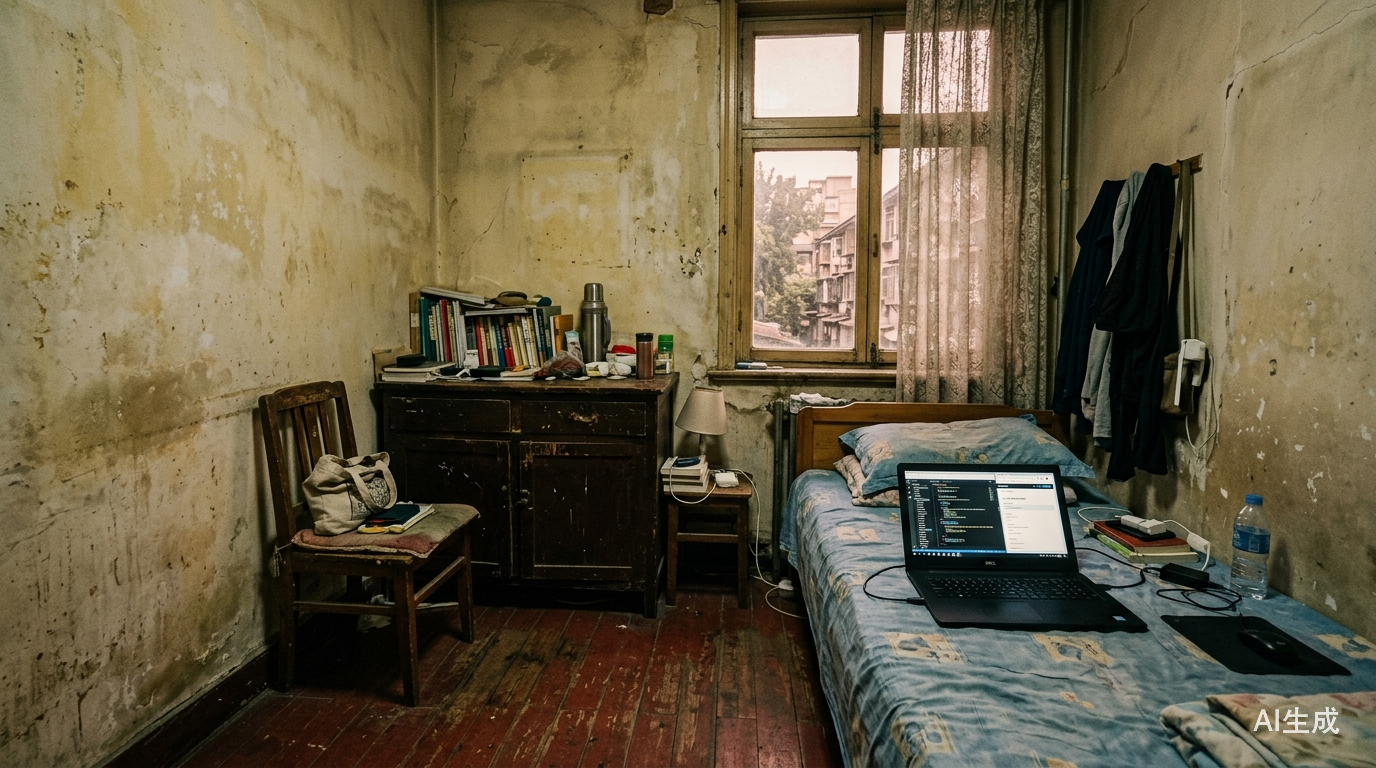
It's often said that Beijing is a large-scale obedience training program, and after living there for a few years in one's youth, anywhere else feels like a life of luxury. Renting a house is the first lesson in this training.
You don't even need to leave Beijing to feel this way, after searching for a house in this city, anywhere else seems like a paradise.
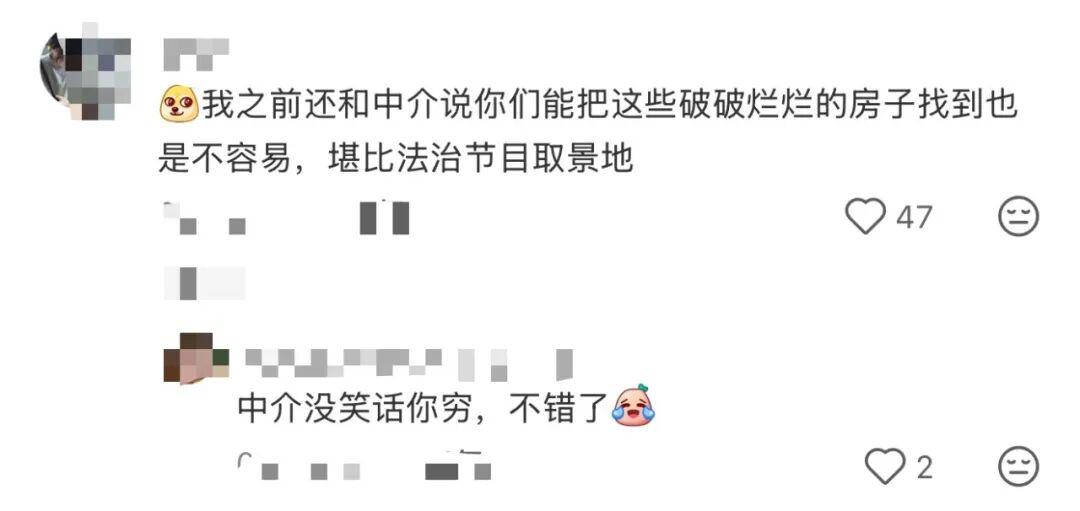
Before coming to Beijing, young people's imagination of rental housing was that although it might be a bit run-down, it would be clean and hygienic. At most, they would follow online renovation videos and PDD, creating a cozy, book-filled intellectual den or an Instagram-style mini home.
After arriving in Beijing, it was discovered that the room for maneuver left for everyone in rental housing has decreased significantly.
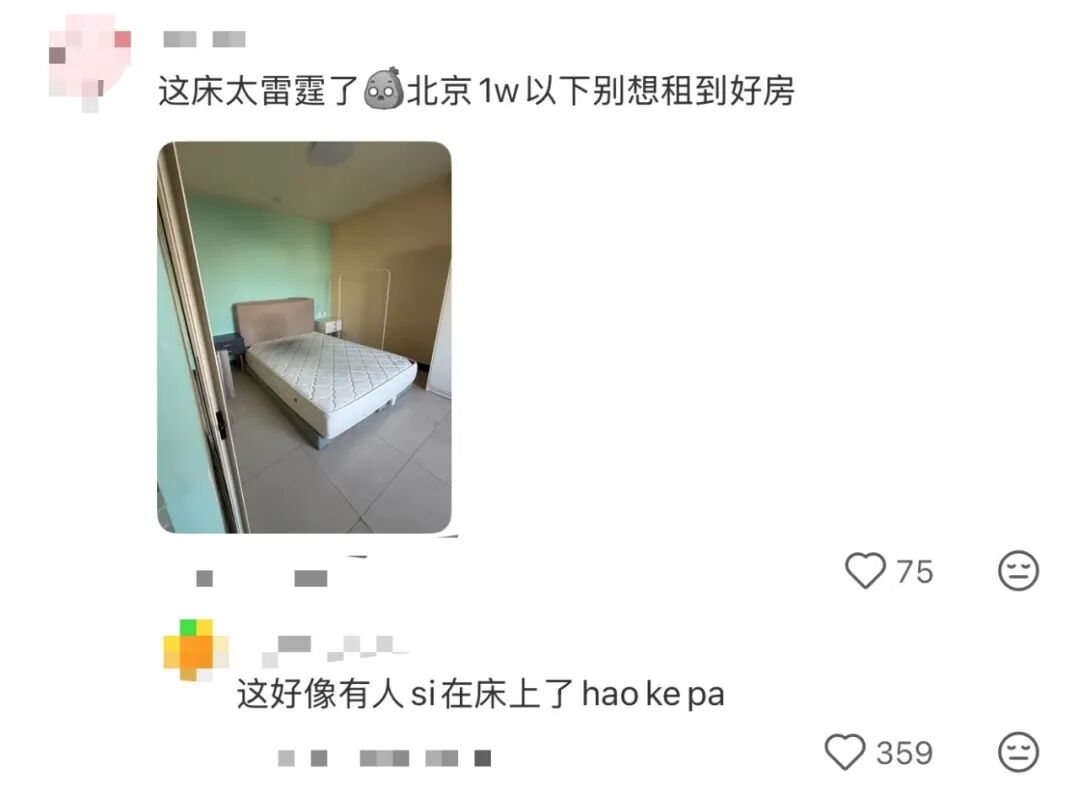
The a top of a a a top of a top of a "I minimalty of a " ":( ":( ":( " ":( ":( " ":( " ":( " ":( " " " " " " " " " " " " ". " " " " " " " " " " " " " " " " " " " ". " " " " " " " a " " " " " " " " " " " " " " " " " " " ". " " " " " " " " " " " " " " the noori " " " " " " " " " " " " " " " " " " " " " " " " " " " " " " " " " " " " " " " " " " " " " " " " " " " " the noori " " " " " " " " the no " " " " " " " " " " " " " " " " " " " " " " " " " " " " " " " " " " " " " " " " " " "." " " " " " " " " " " " " " " " " " " " " " " " " " "
The white walls were stained and gray, and the landlord was too lazy to paint them. The real estate agent, upon entering, casually wiped them with her hand a couple of times and said, "I'll have them polished for you later." You knew exactly what she meant - that "later" was just a euphemism for "pretend you didn't see that".
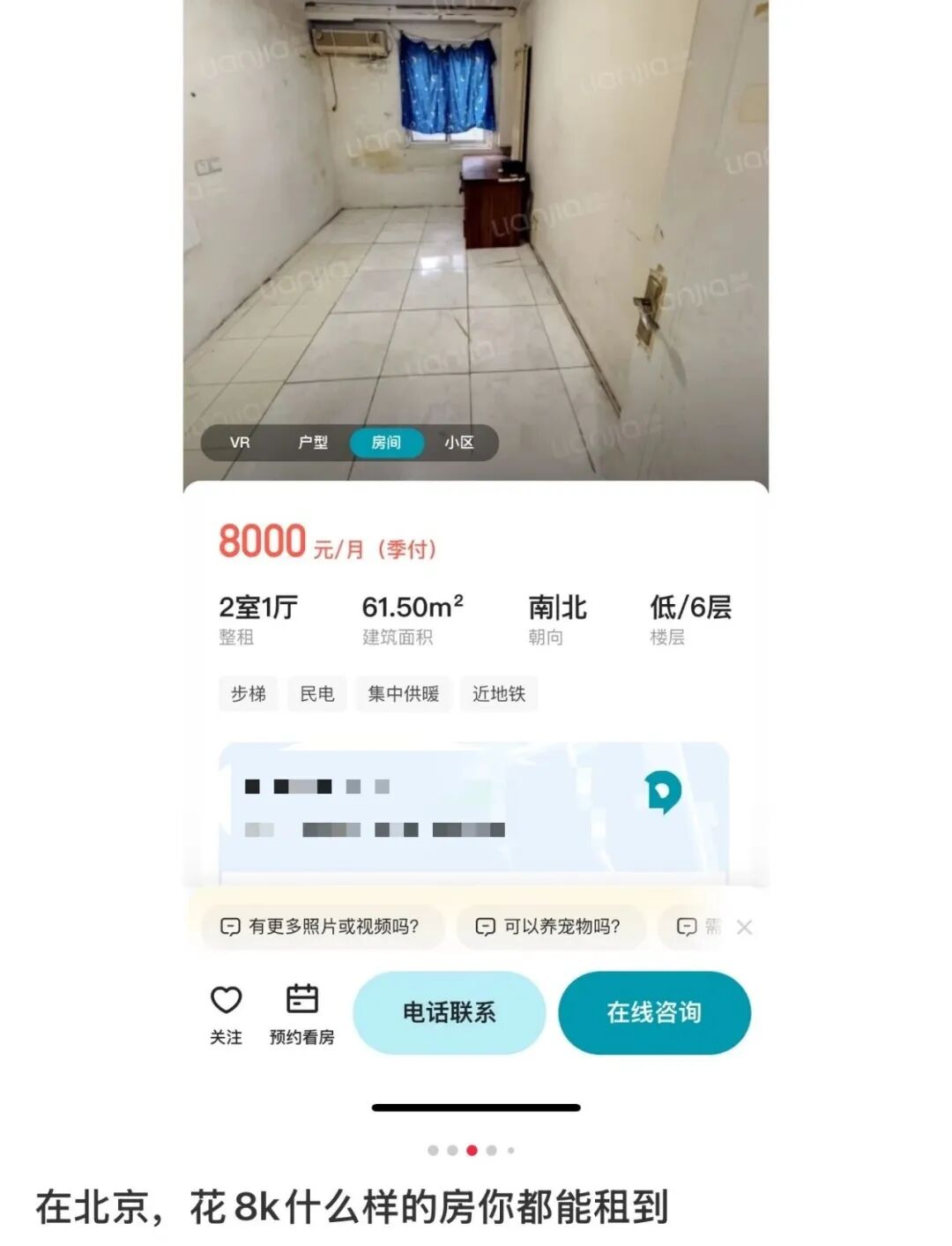
Image source: Xiao Ke Ai
The entire house features an old burgundy solid wood decor, and with the addition of two lines of blue slogans, it could easily pass as a filming location for "Leniency to those who confess, severity to those who resist." It's clear that the landlord was somewhat affluent around the millennium. Nowadays, the burgundy solid wood floor has been polished to a shine by the soles of shoes from generations of people and is also dotted with crater-like marks.
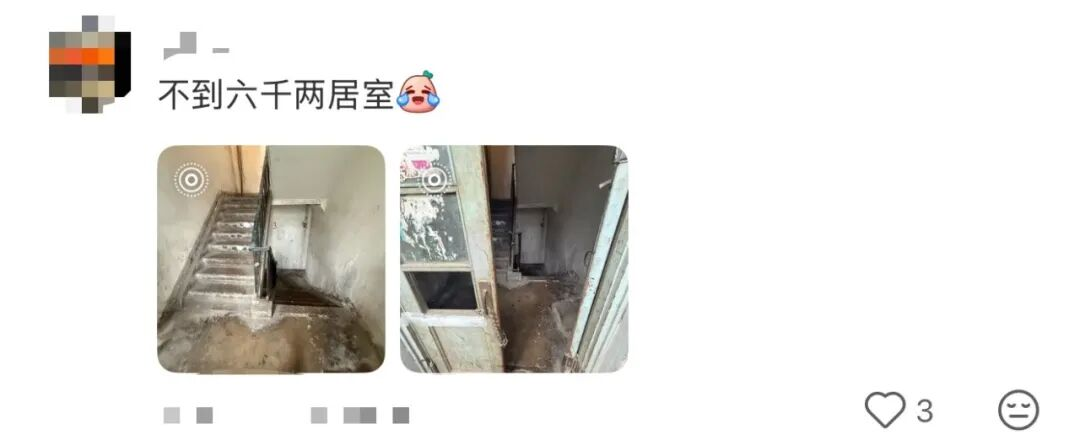
The kitchen is almost flooded with water stains, and the wall next to the stove is plastered with takeout bags, which are waterproof and oilproof. The agent said, "For this price, that's the condition you get."
Those in the know can see at a glance that the air conditioners and refrigerators are all old models, with a five-level energy efficiency rating, which means they waste both water and electricity. "Pursuing romance in a rental house like this is truly a parental kind of love - making do together, saving money together, and enduring every sweltering summer with five-level energy consumption."
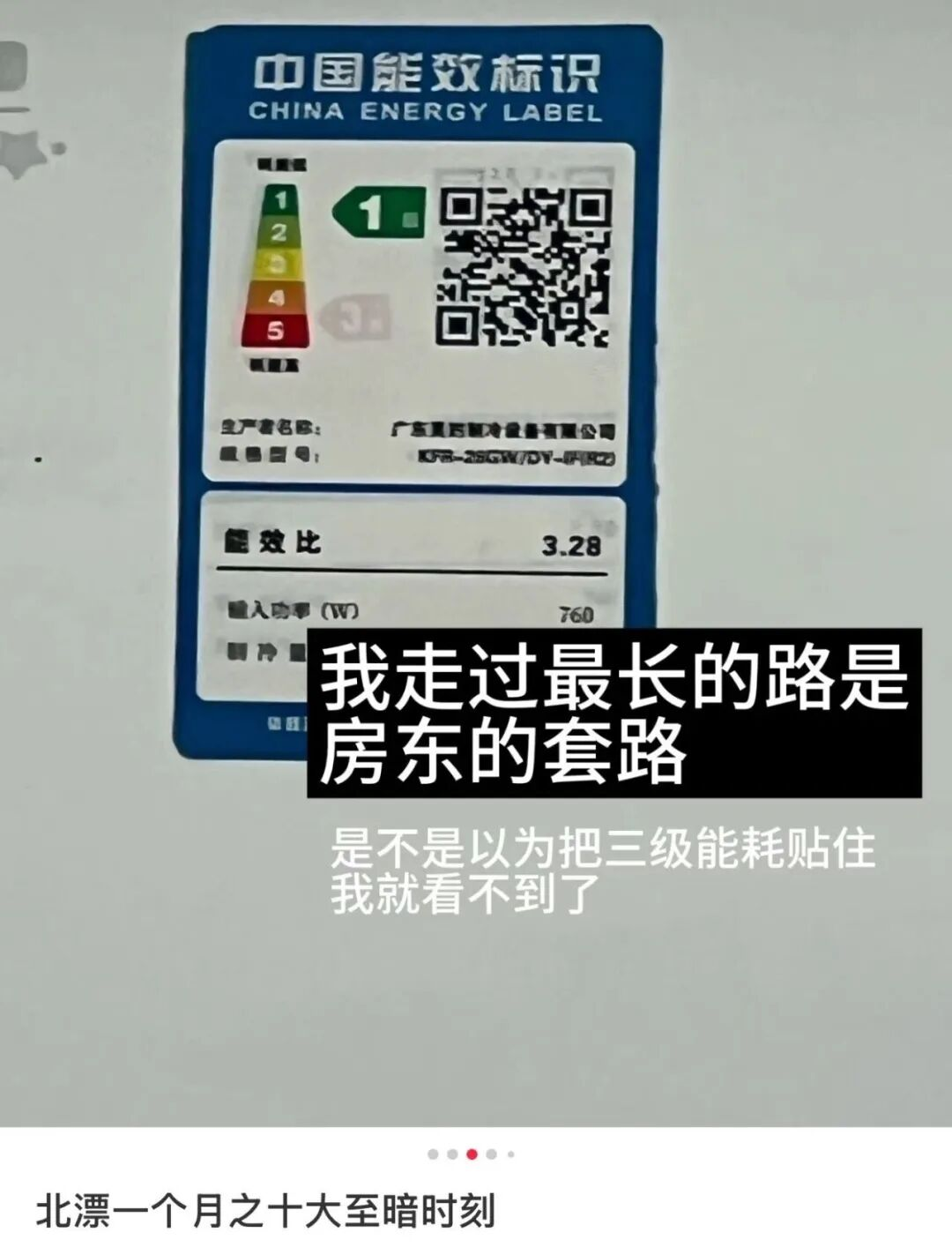
Image source: Galaxy Tour
Renting in Beijing has a way of quickly bringing a young person back down to earth, and it doesn't even need to do anything - "once you move into a Beijing rental, all you can do is get by."
If Shanghai's rental market is described as a "flamboyant aberration", then the second landlords are building cliff houses, containers, and diamond-shaped apartments using plasterboards and expansion screws, with floor plans resembling cookies that have been bitten into, and at the very least, when you push open the door, you can still see a glimmer of design struggle.
So Beijing is "unpretentious mediocrity." The floor plans are so square they'll move you, the hardware will make you question your life choices, and the landlord's Y2K-era decor is preserved like a cultural relic, unchanged to this day. Someone once saw kitchen walls papered with trendy Chinese takeout bags as grease-proofing, and after that, no other apartment ever felt like a hardship again.
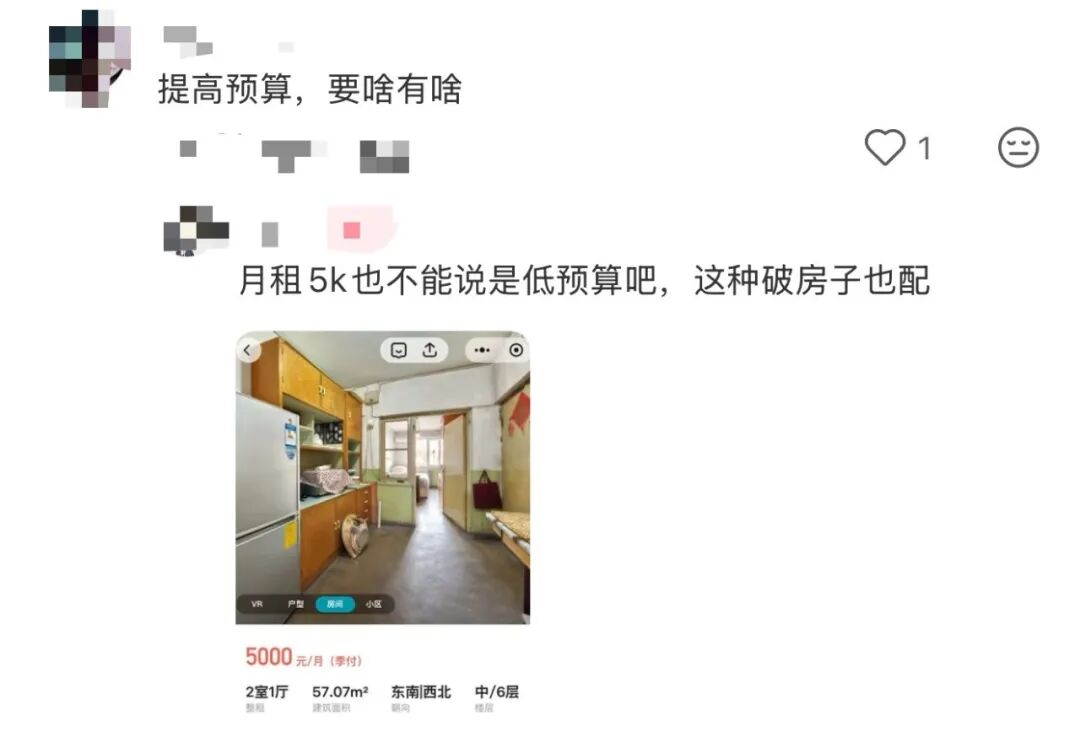
Recently, it's become popular to "buy back your childhood home". Beijing drifters are lucky to have already experienced this, without having to spend money to buy one - the landlord has already arranged it for them, and as soon as they open the door, they're hit with the flavors of their childhood.
Some people say that the decoration of Beijing's rental houses is like an old official in the imperial court who has survived many generations of emperors, not because it is durable, but because the landlord is unwilling to update it. One wave after another of Beijing drifters move in, rents rise year after year, but the decoration remains stagnant. Each new person who moves in is forced to inherit the old and worn-out belongings left behind by their predecessors.
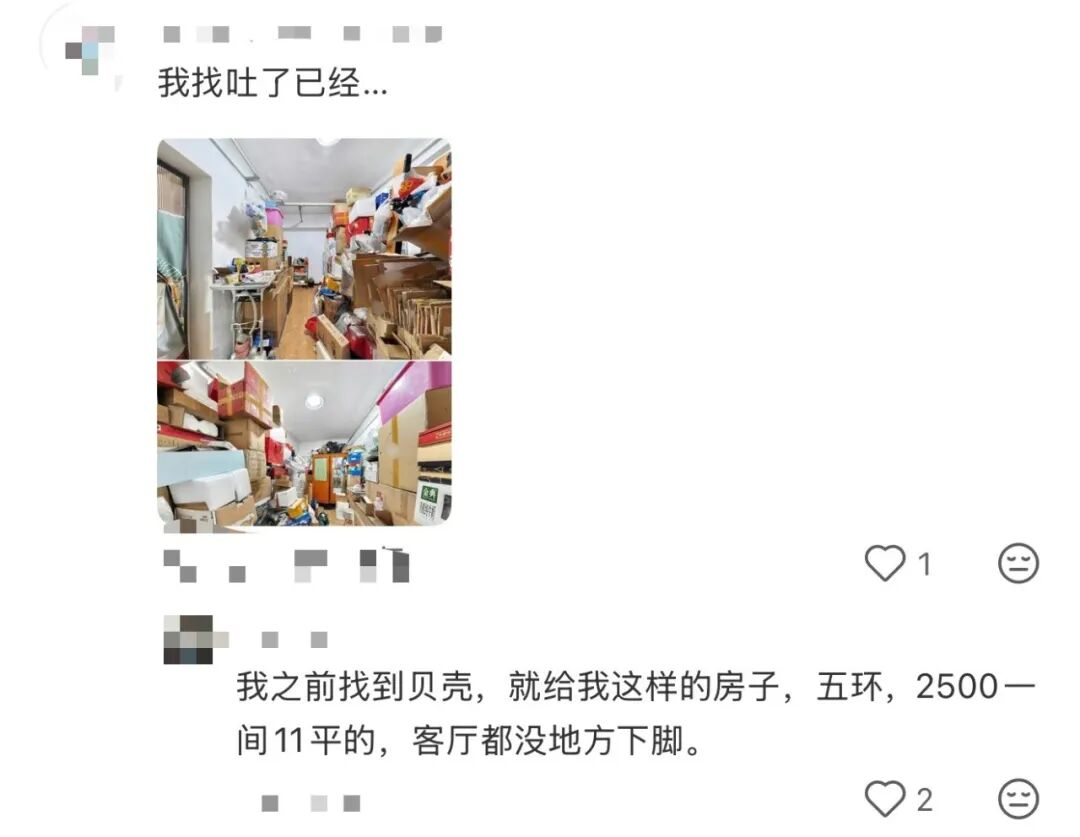
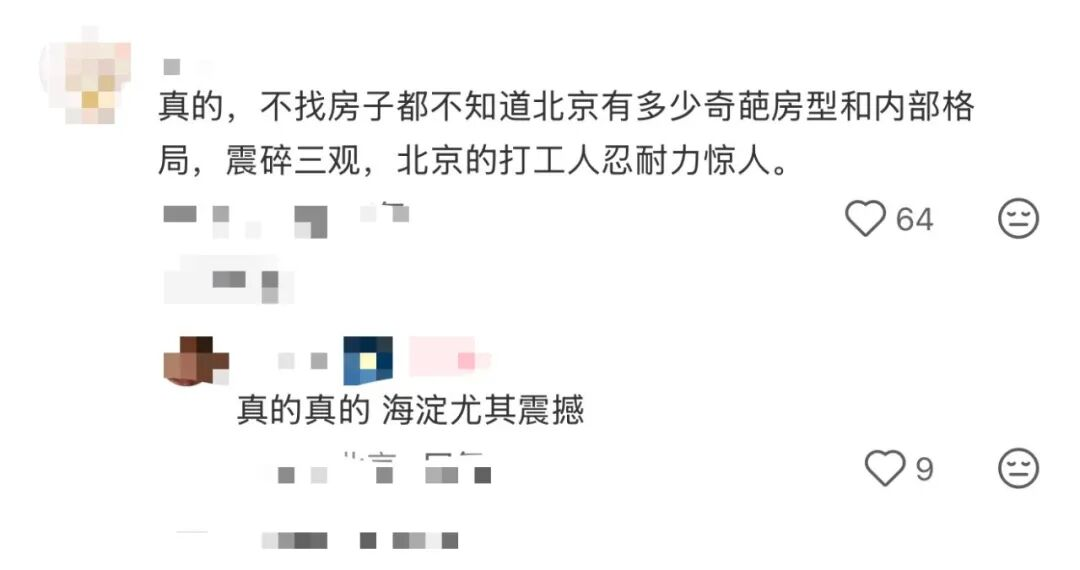
Last year, a recent graduate named Liu came to Beijing to work as an intermediary and told me: "Since coming to Beijing, I've seen all sorts of houses. Someone complained that 'after seeing the harsh reality of Beijing's rental housing, half of the recent graduates were scared away,' which isn't an exaggeration. Last month, I took someone to see a house in an old community in Haidian, and the hallway looked like a crime scene.
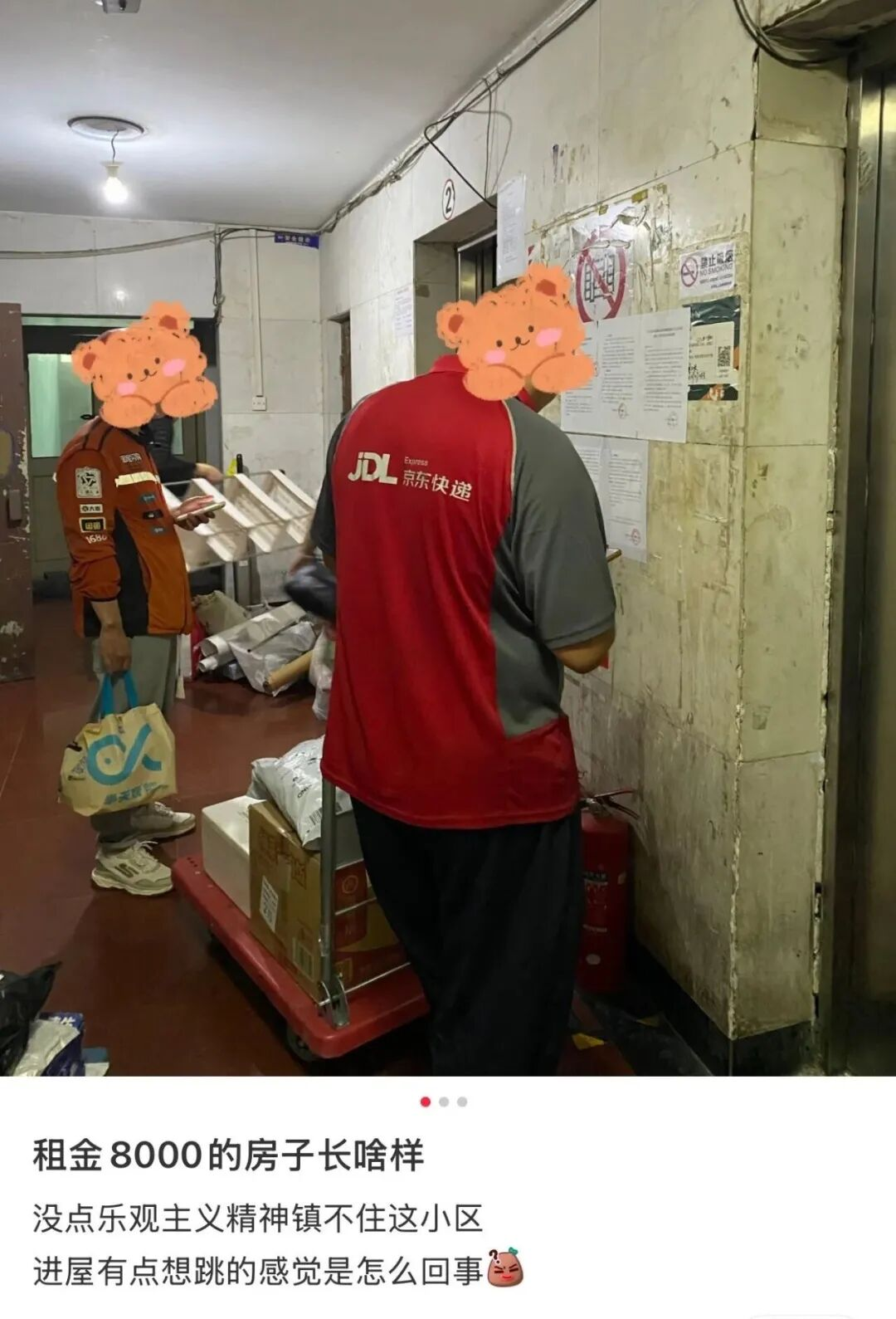
Source: Wang Manslow slowslow
Some say the true legacy of the Beijing drifters is not their ideals, not their connections, but a set of inherited renovations that have been slept in by generations of tenants. Amidst the prevailing styles of second-hand chic, Instagram-inspired decor, and minimalism, Beijing renters have their own unique aesthetic - the Beijing rental style. Characterized by yellowed walls, aged kitchen and bathroom facilities, and floors worn smooth by use, the most distinctive feature is the unsightly, one-of-a-kind plastered curtains. This makeshift decor, somehow unified in its aesthetic by landlords, is impossible for outsiders to imagine, but is all too familiar to Beijing drifters.
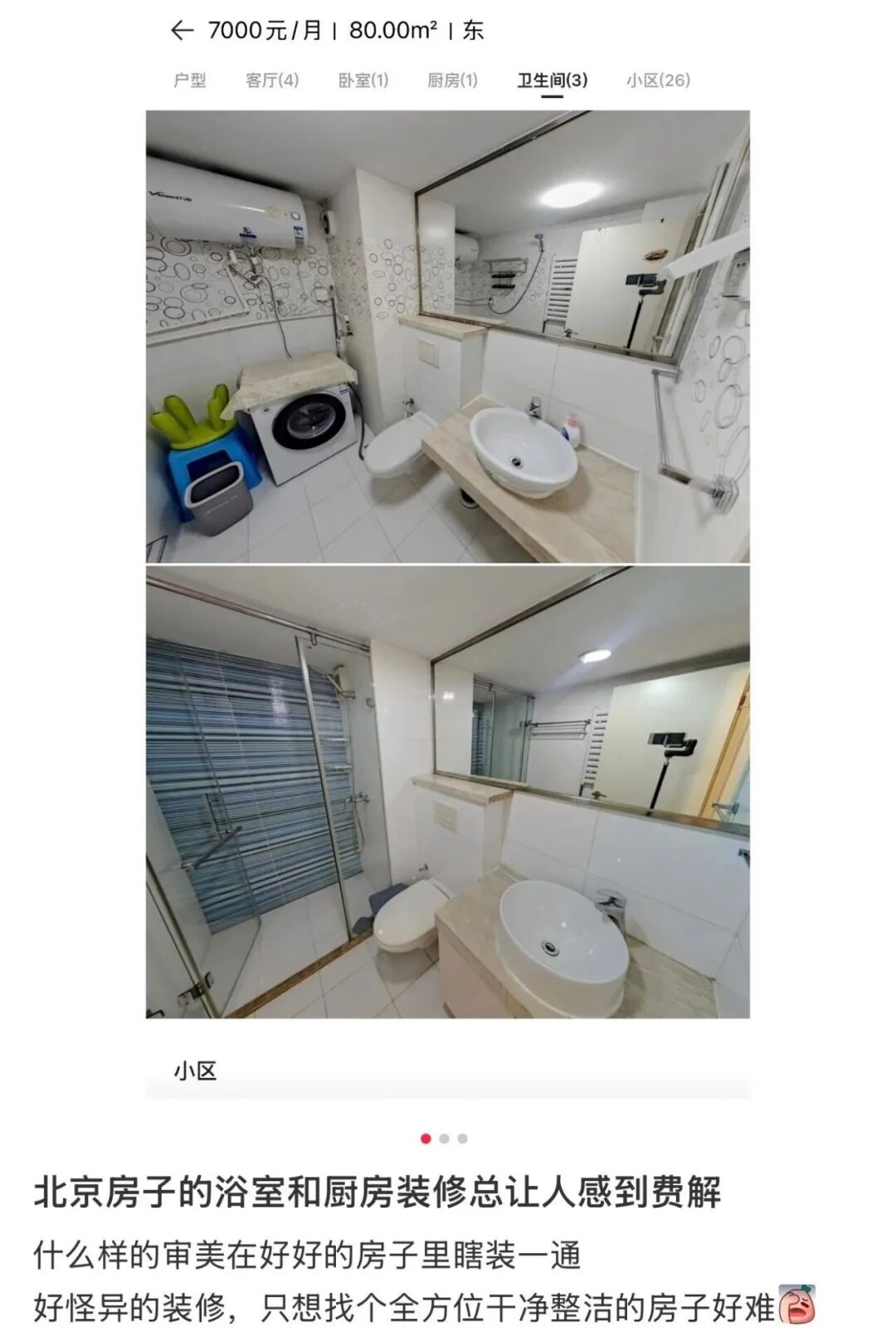
Source: Savadika Kamakabaka
Under this kind of rental market conditioning, Beijing drifters have also developed a unique intuition for renting.
In other places, seeing an empty room would often make young people anxious, as they would have to purchase all the furniture and appliances themselves. However, in Beijing, stumbling upon an empty room would elicit a secret sense of joy, with individuals careful not to show too much excitement until the contract is finalized, at which point they would cautiously post about their good fortune, saying "I managed to rent an empty room."
However, the good fortune of having an empty room is not something everyone can enjoy. More often than not, when you open the door, you are greeted by a room full of old furniture that the landlord refuses to let you get rid of.
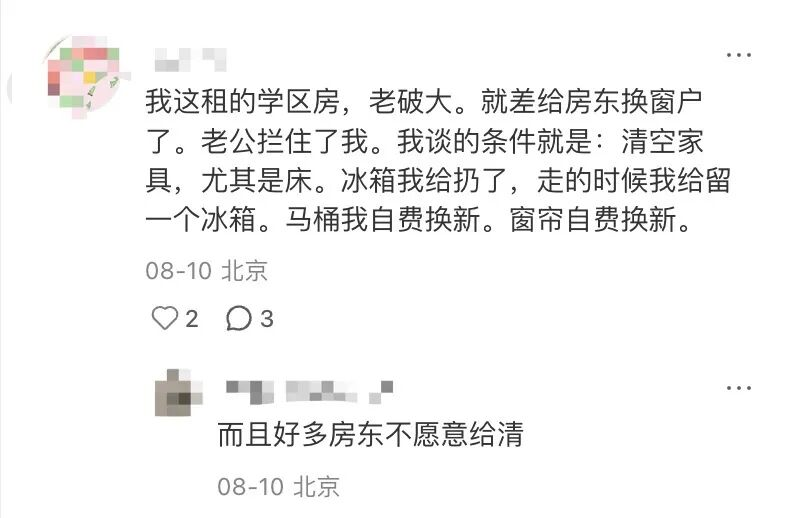
They will never throw anything away, and refurbishing is completely out of the question—everything gets stuffed into the rental unit. The apartment you lease becomes a mini storage space for the landlord's sentimental clutter. You can't move any of it, and when you move out, you have to restore the place to its original condition, or your deposit is at risk.
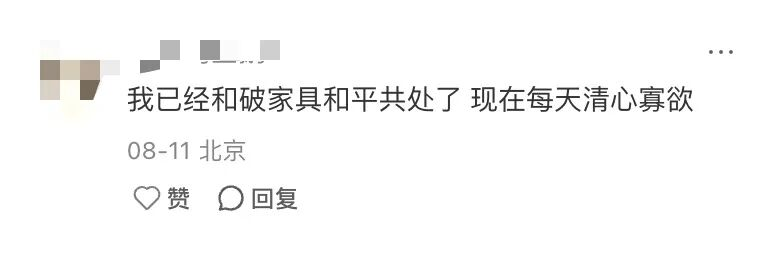

Renting in Beijing is a large-scale obedience test, unbearable at first, but one gets used to it after persevering. Every Beijing drifter who claims to want to "escape Beijing" has been deterred by the rental experience once, only to grit their teeth and stay, never to mention leaving again.
Young people who have just arrived in Beijing, eager to start their independent lives, can't wait to decorate their rental apartments to the point where they could be featured in a novel. However, after living there for three months, they no longer bother to show off, whether they are artsy youths, high-level executives at top companies, elites from Jinbao Street, or Lujie from Guomao. "If the house is a bit run down, so be it, as long as I can sleep."
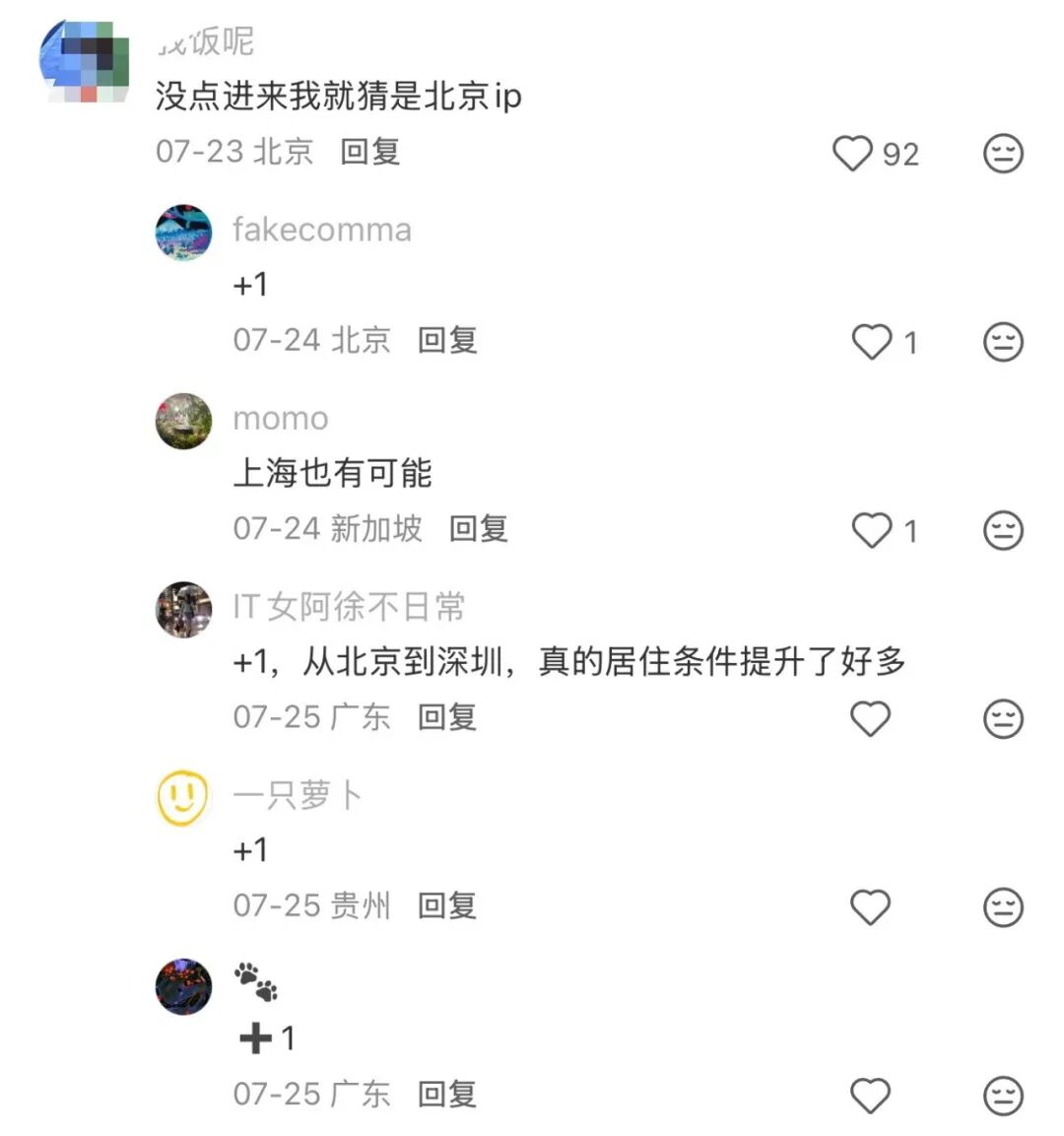
New Beijing drifters still complain about house renovations, but old-timers have long since understood the strange unwritten rules involved.
Renting in Beijing is essentially a voluntary trap. Despite being aware that the interior has outdated decor passed down through generations and is cluttered with old furniture that the landlord is reluctant to discard, the convenient location is a major draw - a 10-minute bike ride to the company and an extra hour of sleep in the morning compared to colleagues living in the suburbs.
Weekend trips to Sanlitun, Guomao, and Liangma River are always just a stone's throw away, with the National Library, major parks, and small bars in the hutongs all at your doorstep. As a result, all the discomfort is outweighed by the prime location, and you grit your teeth and put up with it.
“Of course I’d want a bright, spotless new place,” said Niu Xixi, who works near Sanyuanqiao. “But decent apartments are either out in the suburbs or cost several times more in rent. To get a bit more sleep, I’ll take the trade-off. Maybe that’s just Beijing — the living space is rough, but the street life makes up for it.”
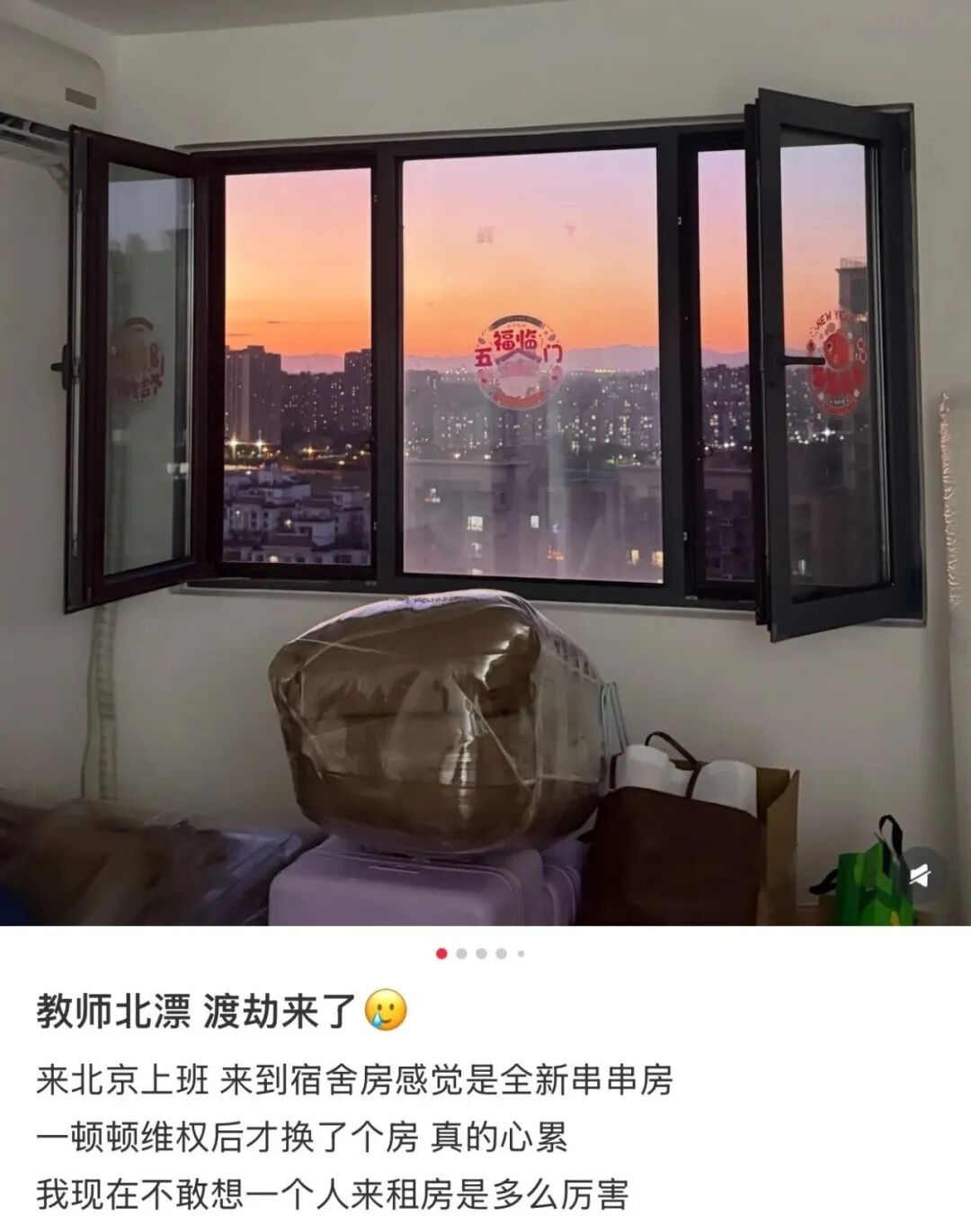
Source: Yitu (Hong Kong PhD version)
Some people always say that if you're unhappy with the renovation quality, just raise your budget—but in Beijing, that logic doesn't hold up. Niu Xixi put it this way: "Adding to your budget buys you more square footage and a better location, but it won't necessarily get you away from that same inherited renovation style."
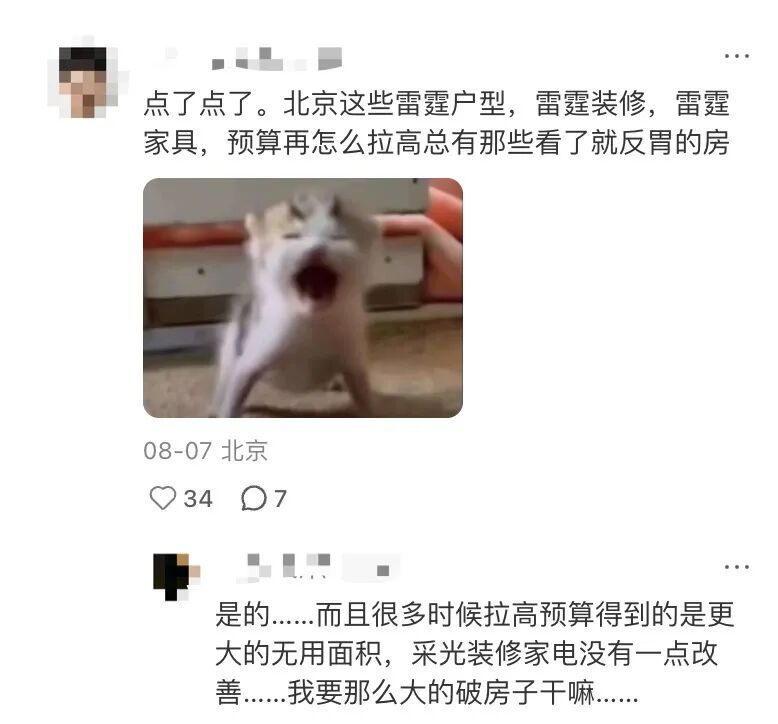
The Beijing rental market is also a double disappointment, with landlords feeling that renovation costs are too high and thus unnecessary, while tenants are gradually worn down to the point where they can tolerate anything, and the two sides meet in the middle.

Landlord Zhou said frankly that not renovating is not because of a lack of money, but because it's unnecessary trouble. "For a 60-square-meter old and small apartment, just painting the walls and replacing the kitchen and bathroom would cost at least 50,000 yuan. After renovation, the monthly rent may only increase by a few hundred yuan, and it would take five years to break even. In the meantime, changing two batches of tenants would also result in losses. If I don't renovate, I can still rent it out by lowering the rent by a few hundred yuan." Moreover, many landlords are waiting to sell their properties, and renovating would only benefit the buyer, so they might as well maintain the original condition, as long as it's livable.
And landlords can't be blamed entirely, either. In the comment sections of rental listings, people often lament that Beijing's rental market operates in "hell mode." Take brokerage fees, for instance: in Shanghai and Shenzhen, they're half a month's rent or less, but Beijing steadfastly charges a full month. "The agent marks up the slightly nicer apartments in between, and someone will rent them anyway."
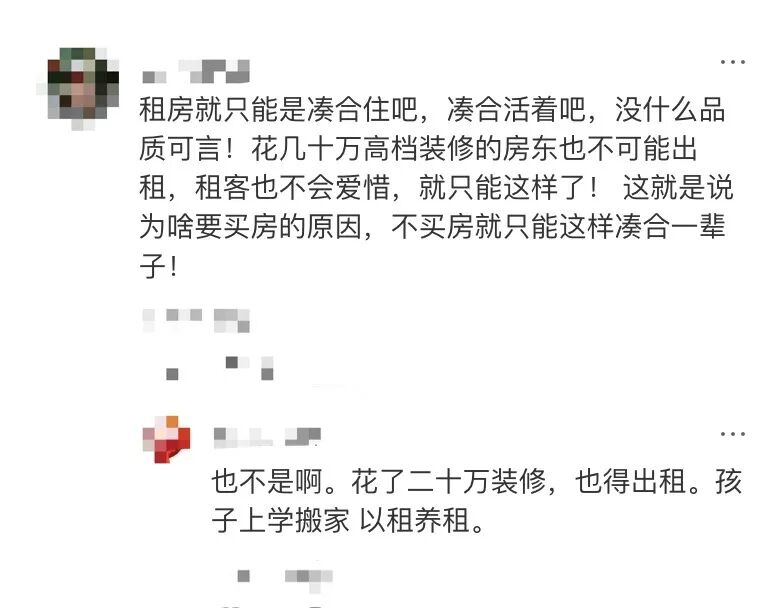
Joe, who is both a tenant and a landlord, told me: "Tenants are hard to please. Since they're impossible to please, I simply don't try." She rents for her children's schooling and took an old, dilapidated, small apartment. "When I first moved in, I felt like the sky was falling. But there was no choice — since we planned to stay for a few years, we replaced the flooring ourselves."
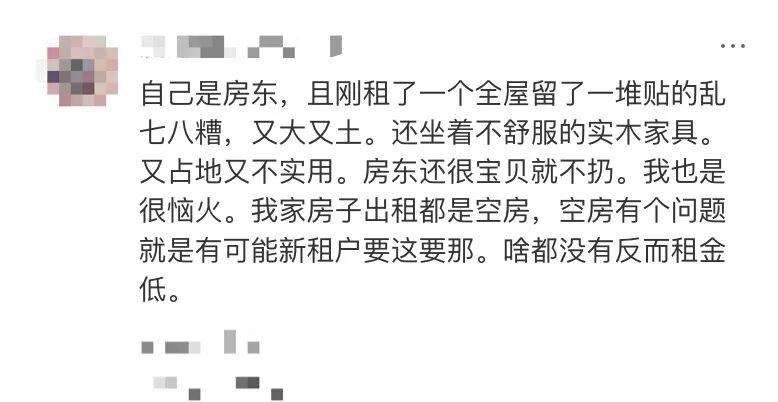
So every Beijing drifter ends up running the same playbook: rattled by the rental market, shopping around only to find that every option is more or less the same, picking the place closest to the office, moving in, and telling themselves, "Fine, it'll do." And with time, the indifference sets in.
When you first arrive in Beijing, who doesn't want to look sharp?
After viewing a nightmare apartment, I figured, no problem—I can fix it up. I bought wallpaper, rugs, and storage bins, eagerly researching ideas. The moment the wallpaper went up, I thought, fine, a rented place can still feel like home. After a few rounds of this, I gave up completely. Everything I spent money on couldn't be taken with me when I moved out, and it could easily become grounds for the landlord to withhold my deposit. So I stopped putting any energy into someone else's property. "Home is just for sleeping. No emotional investment, no sense of belonging, always ready to move out."
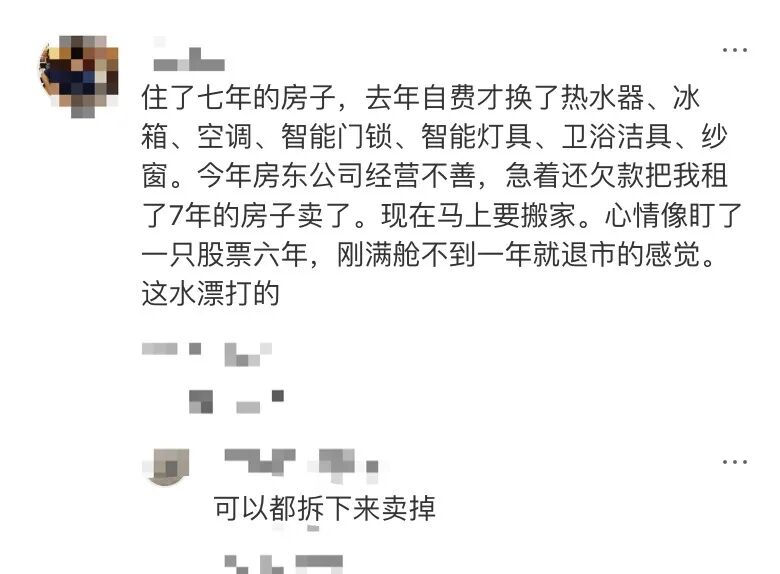
Keke Wang, who lives in Dongba, has a room with only a bed, a desk, and a laptop. "After being in Beijing for a long time, every move is a practice in minimalism. I have fewer and fewer things. When I first came to Beijing, I wanted to buy everything, and I even customized a huge cabinet for my sneakers from JuNiU X, but I had it all shipped back to my hometown last year. Now, when I add new items, I only consider camping gear, focusing on a 'ready to flee' style."

People like Kaike Wang are not uncommon. They start to disassemble their homes, storing pieces in various corners of the city, with cafes serving as living rooms, libraries as study rooms, parks as balconies, and even gyms as bathrooms, while rented apartments are merely a bed.
Nowadays, the outdoor environment in Beijing is getting better and better. When I have nothing to do, I like to hang out by the Bai River, drink some tea, and when I get home, I just play some games and go to sleep.
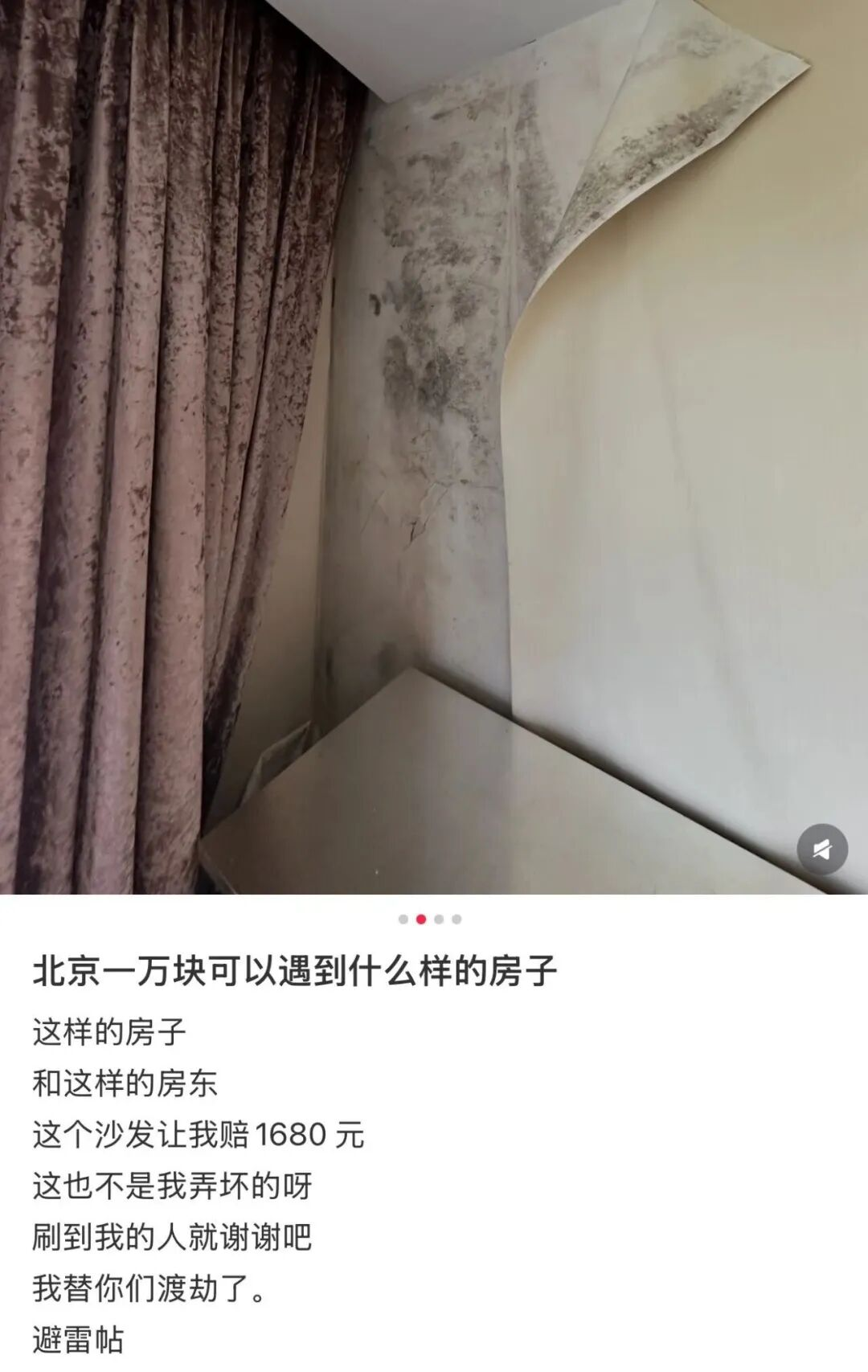
A few years ago, the online trend of "luxury renovations of rental properties" was extremely popular, with posts often garnering tens of thousands of likes. However, the enthusiasm has clearly died down. "Consumption has been downgraded, and people have come to their senses - spending their own money to beautify a landlord's property, only to leave with nothing when they move out. Moreover, having too many possessions makes moving a hassle. Besides, the determination to stay in Beijing is not as strong as it used to be, who knows if I'll still be here next year?"
THE END
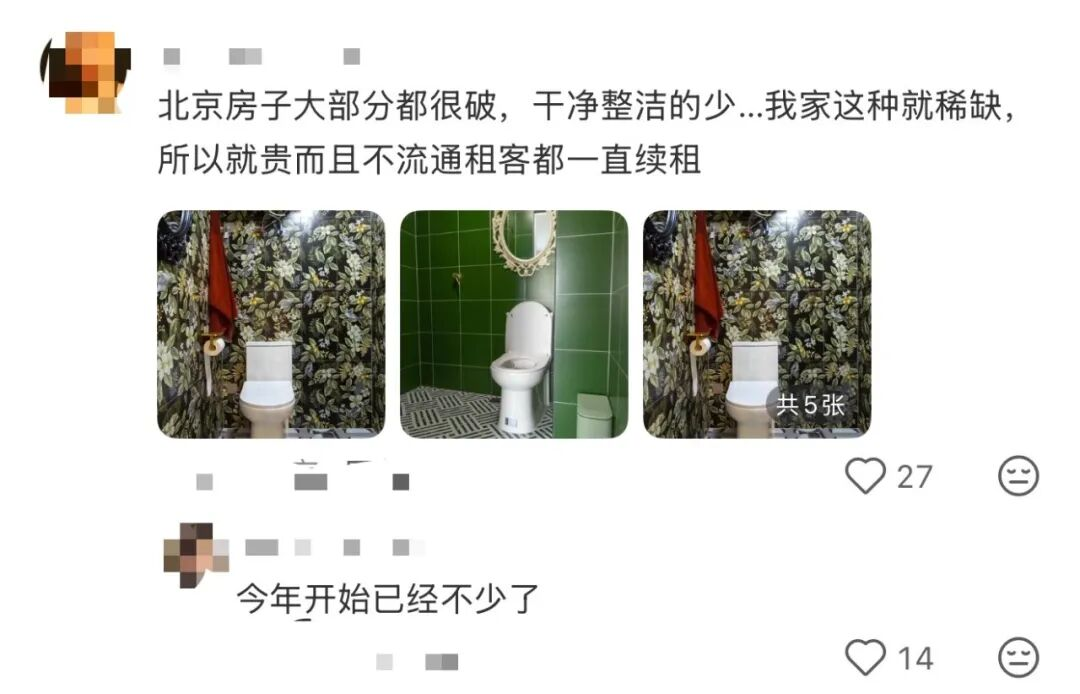
Nowadays, many old and dilapidated houses have been renovated into bright and tidy homes. Xiao Lin told me that many of these homes were renovated after their owners purchased new houses and, facing heavy mortgage pressures, moved to cheaper places and rented out their old homes to supplement their mortgage payments.
the top of " incremental data," and " top of a," " minimal data," and " common data," " common data," a " common data," " minimal data," and " common of common data," " common data," and " common data," " common data," and " completed data," and " "," and " common data," and " common data," and " "," and " common data," and " "," and " "," and " common," and " common data," and " common data,". "," and " common data," and " "," and " "," and " "," and " common data," and " "," and " "," and " common data," and " "," and " common data," of "," and " common data," and " "," and " common data," and " "," and " common data," and " "," and " more common," and " common care," and " common care," and " common care," and " common care," and " common care," and more common care," and " common care," and " "," and " common care ," and " common care," and " "," and " common care," and " "," and " common care," and
Today's Topic
When it comes to renting, what matters most to you?
Cover image source: Niu Xi Xi