He Han, the long drama market is raining again!
The image in this article is from the internet.
This summer, something ironic happened in the domestic drama market - the most popular show turned out to be an old drama from nine years ago. With over 30 new dramas being released at the same time, topping the trending searches one after another, the one that ended up being repeatedly screened across the entire network was the 2017 drama "My First Half of Life".
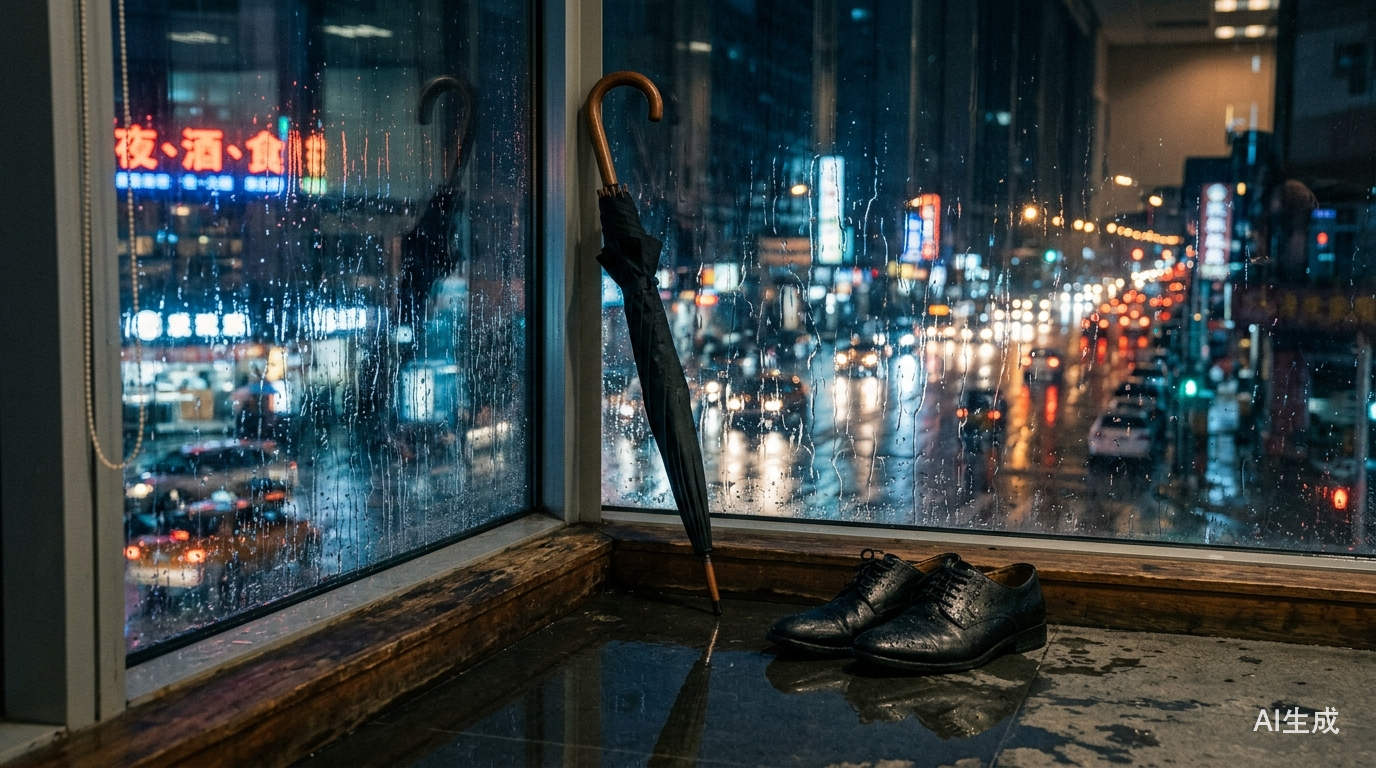
It started with a coincidence, as Typhoon White Dolphin passed through and Jiangsu, Zhejiang, and Shanghai experienced continuous heavy rainfall, people wading to work joked about Luo Zijun's line "He Han, it's raining, can you come pick me up?" The question of whether He Han could come pick them up, with their sheepskin shoes that can't get wet, became a self-deprecating joke among young people.
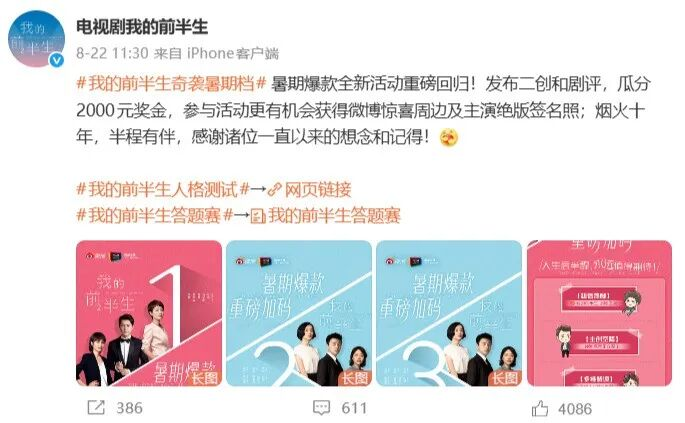
It has generated real popularity. The related topics on short video platforms have added nearly 490 million views in a single month, with the cumulative reading volume of Weibo topics exceeding 2 billion. Even the official Weibo account, which had been inactive for many years, has resumed operation and launched a prize-winning secondary creation campaign. Netizens joked that the only blockbuster of this year's summer season is the nine-year-old "My First Half of Life".
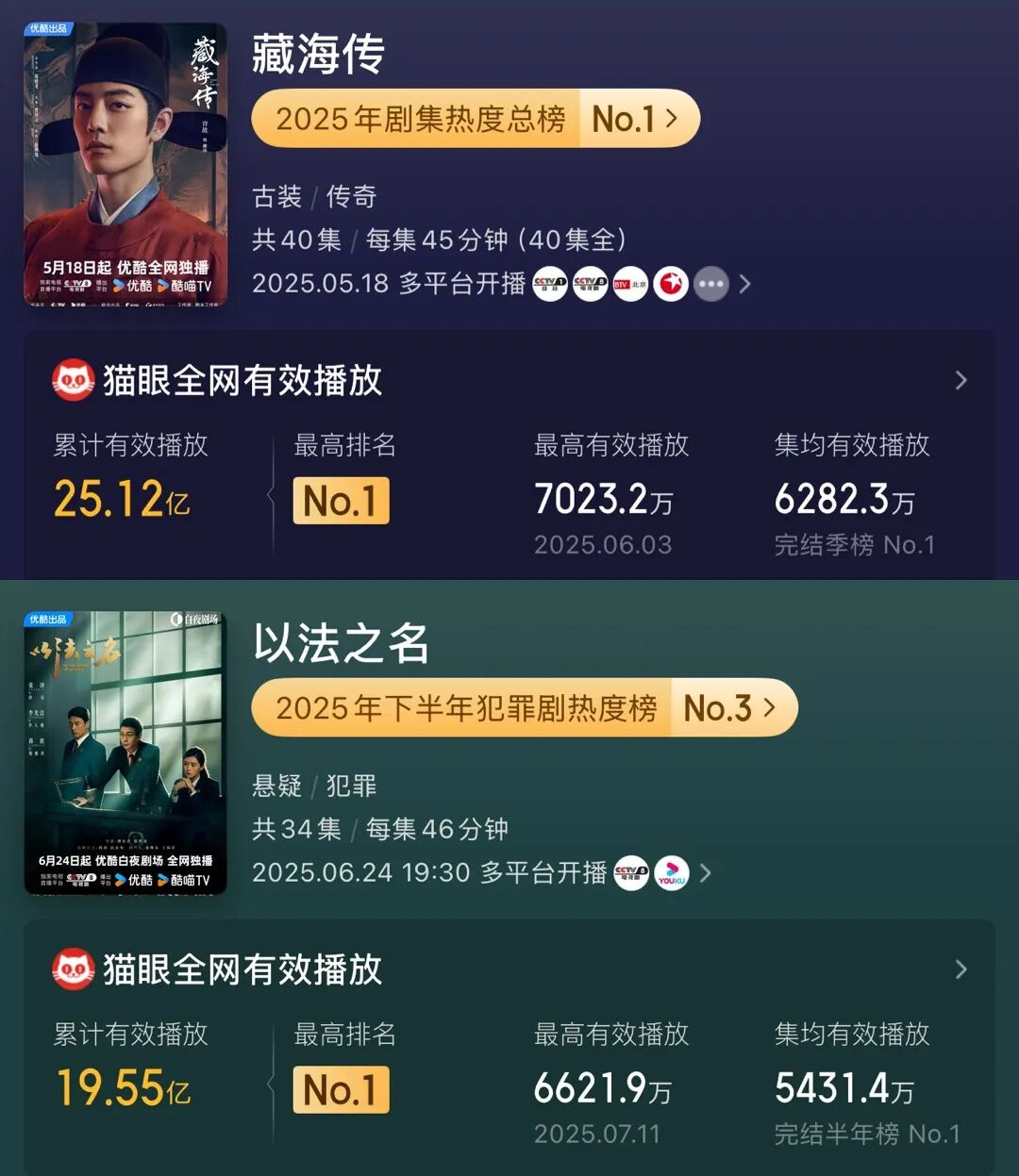
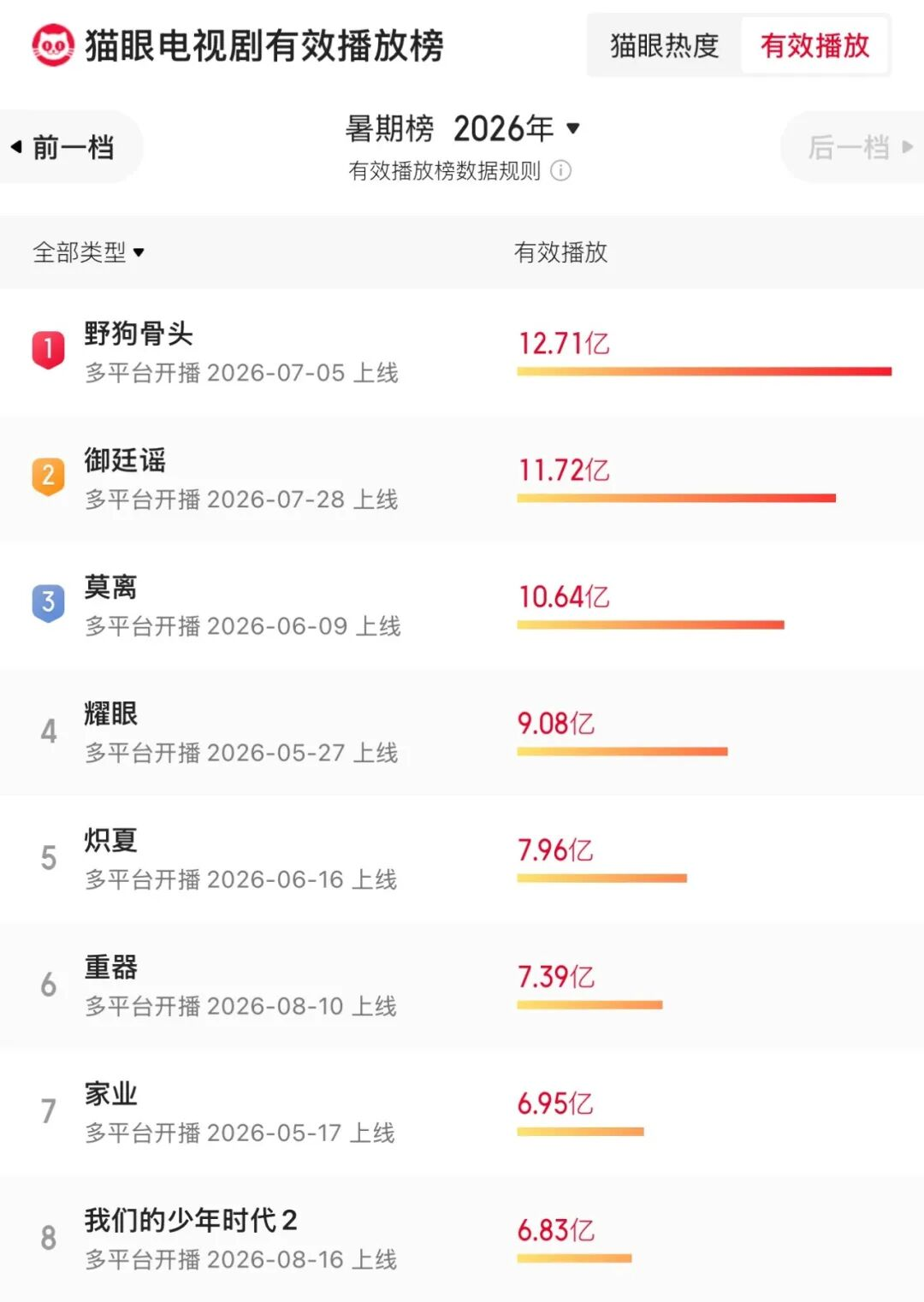
Jokes aside, the long-drama market for this summer season is not laughing. This summer, various platforms simultaneously released over 30 key drama series, with S+ level production, top IP, and popular actors, and the formula for blockbusters is no different, with modern, ancient, realistic, and suspenseful police dramas all making the rounds on hot searches and crazy screen-swiping with clip videos, looking like a fierce oil fire. However, when the season ended, not a single drama truly went viral, with only one drama having an effective playback volume of over 1 billion, whereas last year at this time, the results of "Cang Hai Chuan" and "Yi Fa Zhi Ming" were counted in tens of billions. The highest single-day effective playback audience for this summer's drama series was only 179 million, and it once dropped to 121 million in late August, a number that usually only appears during the off-season, but now appears in the legendary summer season.
The entire industry has fallen into the awkward situation of "trending topics are visible, but bestsellers are not". An observer has given an accurate verdict for this summer: lack of buzz.
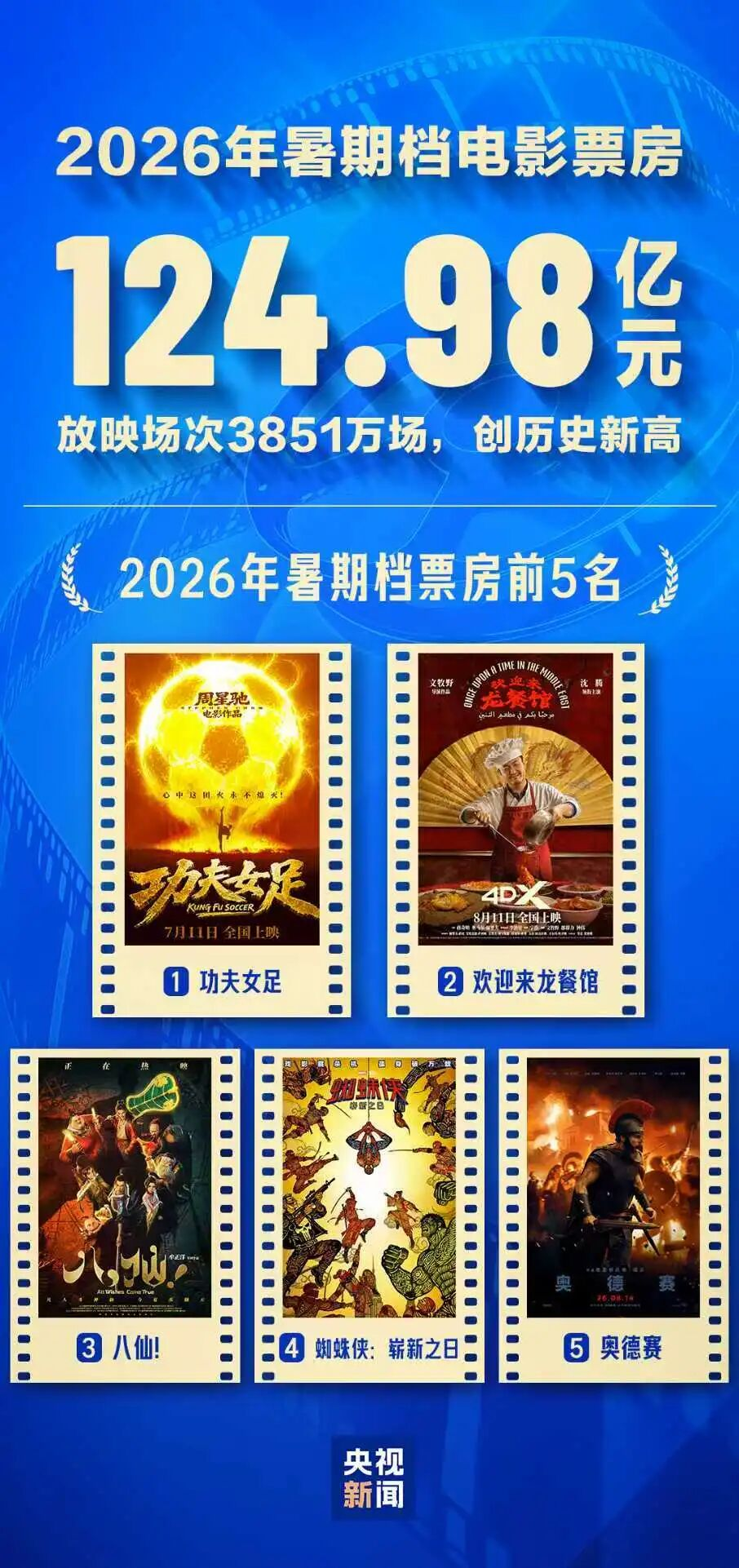
More interestingly, during the same summer season, long queues formed outside movie theaters. Data from the National Film Bureau shows that the 2026 summer box office reached 12.498 billion yuan, with 340 million viewers, both of which saw year-on-year growth, and the number of screenings hit a historic high. The average ticket price fell to a nearly five-year low, and none of the top-grossing films exceeded 3 billion yuan, but overall quality was consistent, with many films, including word-of-mouth hits, commercial blockbusters, small-budget productions, and re-releases of classic films, going viral.
When summer programming and movies are considered together, the most popular explanation is that "audiences were diverted by movies." However, audiences will naturally be diverted - if attention is limited, why should movie theaters be an exception? Movies haven't become cheaper, but the content has become more diverse, ticket prices have dropped, and production quality has improved. Audiences are honest, they haven't given up on entertainment, they've just given up on things that aren't worth it.
What's Going Wrong with Chinese Long Dramas?
Many analyses blame short videos and AI for the issue, but that's only half true. What's really worth noting is the way long dramas are responding to short videos, not by holding on to their strengths, but by learning from their opponents' tactics. In order to make each episode easy to cut into clips for dissemination, every episode has to be packed with plot twists, conflicts, and memorable scenes, resulting in compressed buildups, simplified motivations, and the main show becoming an auxiliary to a short video material library. This has led to a unique phenomenon in the promotion of films and TV shows in recent years, where clips from a drama go viral on short video platforms, but when you open the actual show, the experience drops off a cliff. After being misled by secondary creations a few times, audiences have learned to be cautious with all new dramas.
Another reason is the change in broadcast strategy. In previous years, platforms dared to put their resources into one or two top dramas, heavily promoting and fully supporting a single massively popular show. This year, no one dares to take that gamble, with over 30 dramas being released in a scattered manner, dispersing the risk and also the traffic, and no single drama receiving all the resources, resulting in no drama truly entering the national conversation.
Furthermore, with platforms also concentrating on clearing inventory, a batch of old dramas that had been shelved for years were suddenly released, only to sink to the bottom upon premiere. The business environment has also changed, with brand advertisers becoming more sophisticated, now examining data for the first two or three days after a show's premiere and immediately withdrawing investment to cut losses if the numbers are not promising, resulting in each project being more short-sighted and rushed.
But the most profound shift has taken place among the audience.
Nine years ago, viewers of "The First Half of My Life" were accustomed to judging everyone with moral labels: Chen Junsheng was a scoundrel, Ling Ling was a scheming third party, and Luo Zijun was a naive and foolish woman who relied on men. Nine years later, the same people who had been the loudest in condemning them in the classroom now, bearing the weary face of Chen Junsheng, claim to be a fragile Chen Junsheng swaying in the wind, and suddenly understand his helplessness in the depths of a late night of overtime.
Some people see in Ling Ling a single mother's anxiety in the cracks of an office building, while others re-watch Luo Zijun and find that her journey from asking for money to being self-sufficient is more realistic than many female leads today. Xue Zhenzhu, who was once criticized for being too commercial, has now become a spiritual icon for young people who refuse to engage in internal conflict. Riding this wave of popularity, the TV station has re-aired the show in its afternoon slot, with ratings consistently rising.
The audience has changed because they have been tempered by society and have grown up. Over the course of nine years, the people in the classroom have graduated, gotten married, and started working, and after struggling through the trivialities of marriage and the pressures of the workplace, they look back and realize that those imperfect characters are not just part of a drama, but are actually a reflection of life itself. Young people are not just watching the show, they are finding themselves in it.
This explains why new dramas can't capture this feeling. Most new dramas today don't dare to have real difficulties, the protagonists can't be weak, the comeuppance must be swift, the characters can't have moral flaws, and everything must be safe. The safe product logic, combined with the fast-paced formula of short dramas, produces a set of exquisite, flawless, and heartless character settings.
"My First Half of Life" also has its share of melodrama and implausible plot twists, but it takes the time to clearly explain why a weak-willed person is weak, and this kind of patience has become a rare commodity nowadays.
This summer has thus left behind a intriguing paradox, with the industry widely believing that short videos have killed long dramas, yet this year's most popular drama series has relied on short video secondary creations to regain popularity.
In recent years, from "The Legend of Zhen Huan" to "The Knowing Glance", the re-run of old dramas has occurred from time to time, but it's rare to see them dominate the entire new drama schedule like this. Audiences haven't abandoned long dramas, they've just stopped believing in new ones. The re-run of old dramas isn't about nostalgia, it's a vote using the remote control, a vote for authentic and complex human nature, and for creations that are willing to spend time on character development.
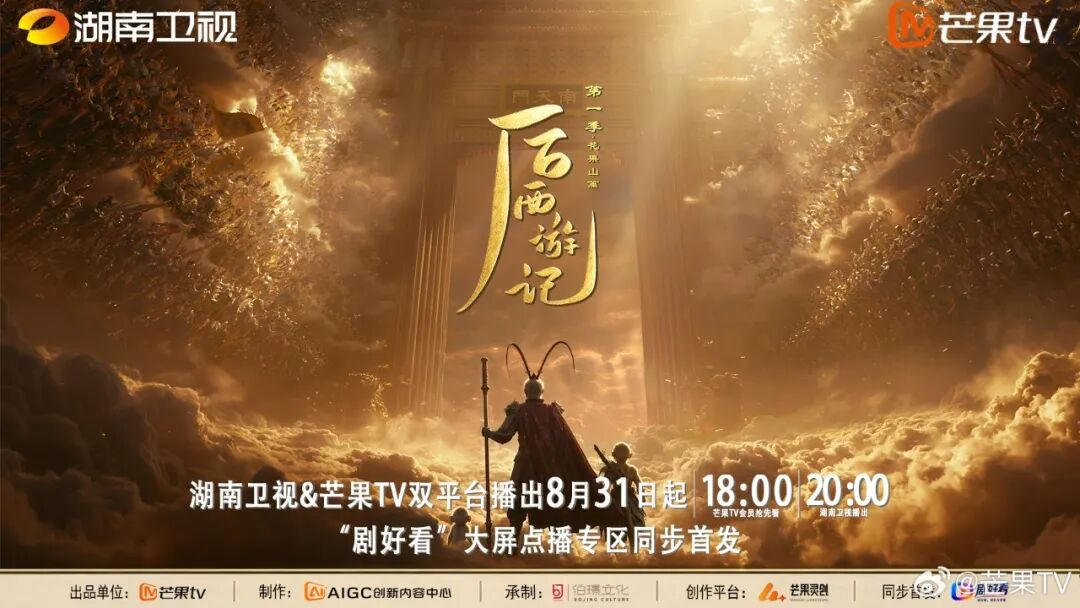
Changes are still unfolding. Squeezed from both ends, long dramas are under attack from both sides. On one hand, domestic dramas with 10 to 20 episodes are dominating the charts with suspenseful storylines, featuring small production scales and quick turnaround times, which have attracted a batch of young audiences. On the other hand, AI-generated drama series have entered the prime-time slots of TV stations, exploring the bottom line of content with lower costs. The traditional territory of long dramas is being eroded from both ends.
For industry practitioners, this summer season at least indicates a few things.
First, the old formula of relying on traffic and IP is officially obsolete, with fan data only being able to support opening screens but not national discussions, and only word-of-mouth being able to penetrate circles.
Furthermore, the promotional budget should be allocated back to the script. The audience is entering more slowly and making more cautious decisions, but this summer's boost to the overall drama market is due to differentiated subject matter, and the films that are winning in cinemas rely on word-of-mouth, both of which prove that good content can still achieve good results, and the market has always punished mediocrity.
Then, and also the most difficult, is to relearn respect for time. The only irreplaceable asset of long dramas is the time depth that can accompany the audience for dozens of hours and allow characters to grow slowly.
Movies win with their visual and auditory effects and ceremonial feel, while short dramas win with their instant gratification, but if long dramas continue to imitate these two, it's equivalent to using their own weaknesses to compete with others' strengths, and they will lose even faster.
The long drama industry is at a critical juncture, but within this crisis lies an opportunity, as audiences have not disappeared, they have merely retreated to classic dramas, waiting for a new one that is worthy of re-examination.
The countless audience members shouting "He Han, it's raining" at the screen didn't necessarily want He Han himself, but a story that could catch the heavy rain pouring down on their own heads.